
This Is Why Nobody Reads Your Article — Read This Or Struggle For Years
Until you meet this criteria, your words mean nothing.


Introduction
Creating content that nobody reads is frustrating. You spend hours, maybe even days, on an article. Still, it goes unnoticed. Why does this happen? Understanding the real reasons behind poor engagement can save you years of guesswork. If you want more people to read and enjoy your content, you need a plan. This article reveals why most articles fail and shows you proven strategies for fixing that. Prepare to adjust your approach and successfully engage the audience your content merits.
Why Your Articles Fail to Capture Attention
Creating content isn’t just about sharing ideas; it’s about grabbing attention immediately. Many writers think that if they write enough words, people will read them. That doesn't seem right. Good content must be engaging in the first sentence.
Common mistakes include dull titles, confusing language, and not offering real value. If your article doesn’t promise something worthwhile or simple to understand, most readers will click away. Remember, readability, relevance, and a clear benefit are what keep visitors interested.
The Attention Economy and How it Affects Your Content
Today’s internet is a crowded place. Millions of articles compete for the same eyeballs. People’s attention spans are shrinking. The average time someone spends on a webpage is just about 15 seconds. That’s less than a TV commercial. If your content isn’t instantly compelling, it’s lost. Every other article fights for that tiny window of attention. That’s why making your content stand out is more important than ever.
Lack of Clear Value Proposition
Readers want to know what they get out of your article in the first few seconds. If it’s not obvious, they’ll leave. An unconvincing headline or intro worsens it. Saying "Learn Tips for Better Writing" isn't as memorable as saying "Write Faster and Get More Readers." The second promises immediate benefits.
To hook your audience, craft headlines that show a clear benefit. Start your introductions with a question or a bold statement. Please ensure it is clear why someone should continue reading.
Understanding Your Audience to Boost Engagement
Knowing who you're writing for can transform your content. Are your readers beginners? Experts? Maybe they’re busy professionals or students. Understanding their needs helps you create relevant content.
Effectively researching your audience involves checking comments, asking questions, or using analytics tools. Find out what questions they ask most. What problems do they face? Tailoring your content to solve these issues makes it irresistible.
Analyzing Audience Data and Feedback
Tools like Google Analytics, surveys, and social media comments reveal what readers want. For example, if analytics show a spike in searches for "easy meal recipes," writing content in that niche will draw attention. One brand boosted readership by tweaking their articles based on feedback — simple changes like clearer headlines or adding visuals made a big difference.
Keep updating your audience profiles regularly. Trends change, and so do interests. Staying current helps your content stay relevant and engaging.
Aligning Content with Audience Needs and Interests
Begin by considering, What are the key interests and concerns of my readers? Use trending keywords tied to their interests. Google Trends can show what’s popular right now. Incorporate storytelling—people love stories because they relate to them. When your content feels personal, it becomes more relatable and memorable.
Crafting Compelling, Skimmable Content
People scan articles quickly, so your content must be easy to digest. Headings, short paragraphs, and visuals guide readers through your message. If your article looks overwhelming, most will give up early.
Create headlines that make readers want to click. Use numbers, questions, or strong adjectives to spark interest. Example: "5 Simple Tricks to Write Faster" sounds more appealing than "Tips for Better Writing."
Formatting matters. Break text into sections with clear subheadings. Use bullet points or numbered lists for step-by-step guides. Include images or videos to illustrate points and keep readers engaged.
Using the Inverted Pyramid and Clear Subheadings
The inverted pyramid means sharing the most important info first. Please place your key message in the introduction. Then, add details later. This way, even if someone skims, they still get the main point.
Use descriptive H3 subheadings like "Add Visuals for Better Engagement." These make your article easier to scan and more inviting. Clear structure helps readers find what they want fast.
Incorporating Visuals and Multimedia
Images, infographics, and videos boost understanding. For example, a step-by-step guide benefits from diagrams. Videos can explain complex ideas briefly. Top publishers like BuzzFeed and HubSpot use multimedia to make their articles more attractive.
Follow simple rules: keep visuals relevant, high-quality, and placed near related text. Don’t overload your post, but do add enough visuals to break up text and enhance understanding.
Optimizing for SEO Without Sacrificing Quality
Good SEO gets your content seen. But overstuffing keywords destroys readability. Balance is key. Use keywords naturally, not forcefully. Writing for people first and search engines second works best.
Keyword Research and Placement
Start with tools like Google Keyword Planner or SEMrush. Find keywords with high search volume and low competition. Insert these into your titles, subheadings, and, naturally, within your content.
Avoid keyword stuffing. Instead, use long-tail keywords like "easy healthy dinner recipes for beginners" to target specific searches. Keep your language natural and friendly.
Enhancing Content with Internal and External Links
Linking to relevant pages on your site adds value and keeps readers engaged longer. For example, a post about running shoes can link to a guide on how to choose the right running shoes. External links to reputable sources boost your credibility.
Use descriptive anchor text like “view our beginner’s guide” rather than “click here.” Smart linking helps SEO and guides readers smoothly through your content.
Promoting Your Content Effectively
Even the best articles need promotion. Share your content on social media, in newsletters, and through partnerships. Use catchy snippets and headlines to draw attention. Think of promotion as the storefront window for your content.
Building a Consistent Content Distribution Plan
It would be beneficial to schedule your posts on a regular basis. Use automation tools like Buffer or Hootsuite to manage sharing across platforms. Track how people respond—shares, comments, clicks—and adjust your approach.
Refining your promotion strategy over time makes your content more visible and attracts a growing audience. Stay consistent, be patient, and keep testing new channels or formats.
Conclusion
Most articles fail because they don’t connect with readers or stand out in a busy digital world. To fix this, understand your audience, craft clear and compelling content, and optimize it for both readability and search engines. Promotion is equally important; even the best content needs a push.
Test, tweak, and improve constantly. Please consider implementing these strategies now, and you will begin to notice an increase in readers, comments, and shares. Your content can finally reach the audience it deserves.
Key Takeaways
- Content tailored to your audience’s needs drives higher engagement.
- Catchy headlines and an easy-to-skim structure keep readers interested.
- Balance SEO with quality; avoid keyword overload.
- Promotion extends your reach and builds your audience over time.
🙌 If you enjoyed this story, don’t forget to follow my Vocal profile for more fresh and honest content every day. Your support means the world!
About the Creator
vijay sam
🚀 Sharing proven affiliate marketing tips, smartlink strategies, and traffic hacks that convert. Follow for insights, tools, and real results to help you earn smarter—whether you're just starting or scaling up!
Early March 2026: 4 Goals Accomplished
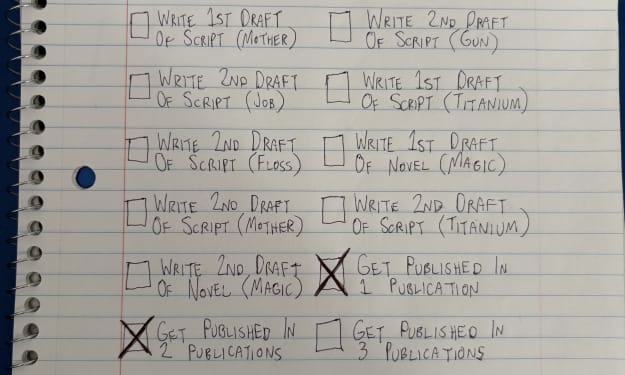
It's early March and I've now accomplished my 4th writing goal for the year of 2026. Before diving into the behind-the-scenes of it... why not tell you up front what that accomplishment was? I was published in a 2nd publication for this year. Published in Helix Literary Magazine out of Central Connecticut State University. You can read it for free right now!
By Stephen Kramer Avitabile3 days ago in Writers
Should You Use Elementor for WordPress in 2026
Building a professional website used to require strong coding knowledge, design skills, and significant time. Over the past few years, page builders have transformed the way websites are created on WordPress. Among these tools, elementor has played a major role in making website creation easier for beginners, freelancers, and businesses. But the WordPress ecosystem continues to evolve rapidly. New tools, faster frameworks, and improved block editors are changing the landscape.
By Louis Specter4 days ago in Writers


Comments
There are no comments for this story
Be the first to respond and start the conversation.