
The wrong hand
how being forced to use my right hand affected me.
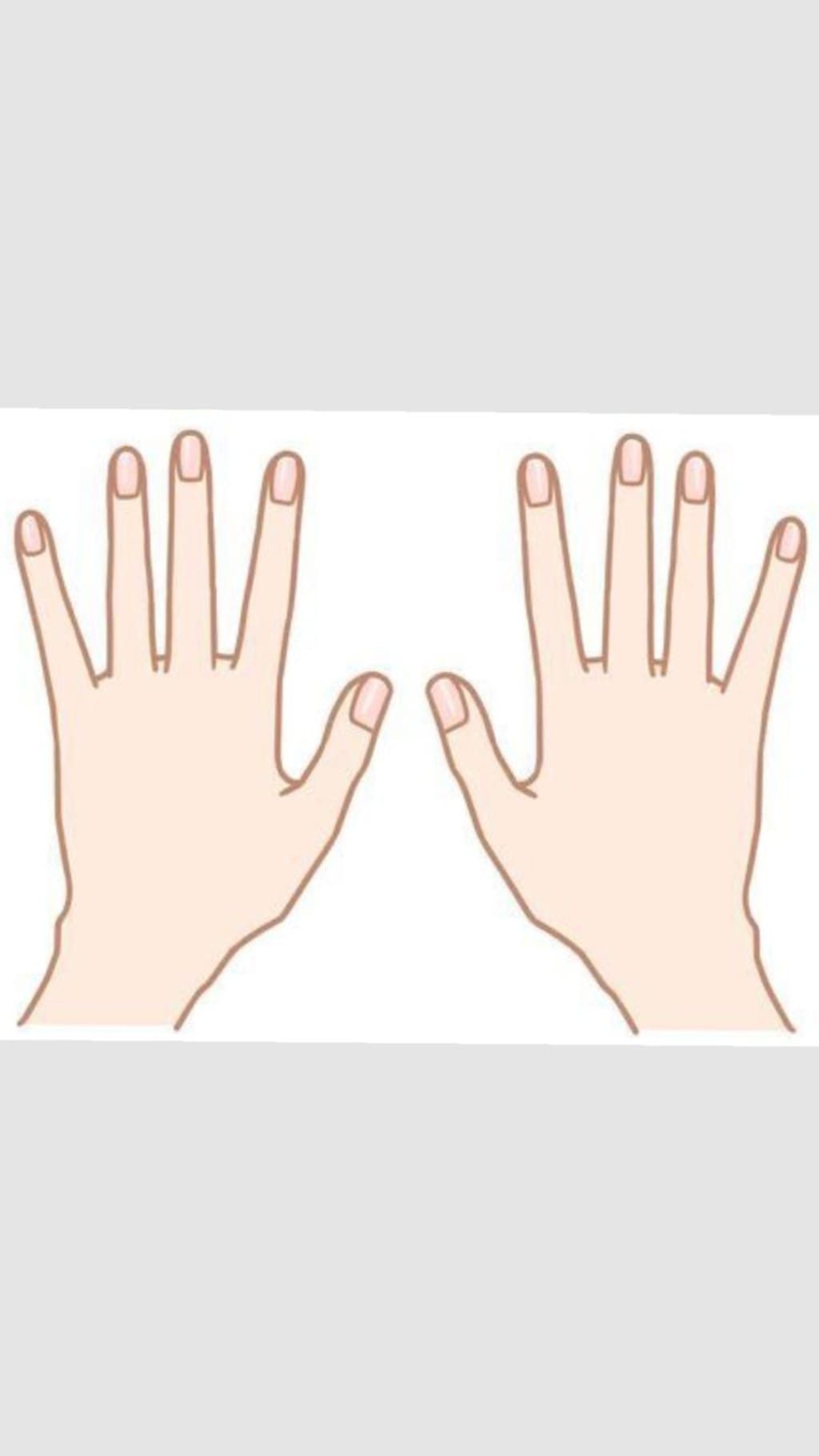
I was only two, still learning how to eat on my own. My mealtimes got more and more supervised, my little brain failing to predict the impending doom.
“She’s using her wiping hand to eat,” her voice filled with disgust.
My next mealtime came with a stick. “You will use the right hand to eat, or you get the stick.” I tried eating like I normally would, but the stick was quickly lifted from the floor and struck my left hand. I was two. I did not understand what I had done wrong. Nobody helped, everybody just stared. It must have been normal.
I don’t remember how many times this happened. Memory at that age is fragments, feelings more than facts. But my body remembers. Even now, decades later, my left hand sometimes picks up food and I notice too late that I was using the wrong hand.
By age 5, I mostly used my right hand to eat and the stick had been long forgotten. I had started preschool and then came the writing. My right hand was never my dominant hand, but she had her ways of overriding biology. The stick came back.
I was a smart kid, smarter than most of my peers, but writing didn’t come easy to me. The pencil felt wrong and my words sat more crooked than everyone else’s. Her solution was the stick.
As hard as it was, I learned how to write with my wrong hand. My handwriting was horrible. So bad that by fourth grade my teacher called me up to show a group of teachers how I held a pen. I did. They couldn’t figure out what was wrong, and I didn’t tell them that my biology had been rewritten. That being forced to use my right hand was the reason my handwriting looked so wrong.
My handwriting was a source of ridicule. I was constantly reminded of how bad it was, some joking that I was meant to be a doctor since their handwriting isn’t clear either. She was one of them. To her it wasn’t her fault. She had forgotten where it all began. She forgot I was never meant to use that hand.
As an adult I feared eating around people. My hand would switch without me realizing, and I never knew if the fear came from that, or from the stick that was always there when I ate. Maybe both. I didn’t mind going long hours without a real meal. It was easier than the risk of being watched. Hunger felt safer than being seen.
For a long time I thought everyone carried things like this. Small invisible damage that just became part of how you moved through the world. I thought the switching hands was a quirk. I thought the food thing was just who I was. I thought the handwriting was just bad luck. Nobody told me these things had a root. Nobody told me they all grew from the same ground. It took me a long time to trace it all back to the same place. The same hand. The same stick.
At 24 I found myself back with her. I was now an aunt to a 6 year old in grade 1, happy and sweet, who used his left hand to draw and write barely readable things.
“He’s using the wrong hand. I can fix him, you know. It’s so easy,” she said once. My heart dropped.
Luckily my sister said no. Her baby was fine the way he was.
She acted like she was correcting something broken.
To her we were broken. But to me, she broke me.
About the Creator
Keep reading
More stories from writers in Writers and other communities.
Early March 2026: 4 Goals Accomplished
It's early March and I've now accomplished my 4th writing goal for the year of 2026. Before diving into the behind-the-scenes of it... why not tell you up front what that accomplishment was? I was published in a 2nd publication for this year. Published in Helix Literary Magazine out of Central Connecticut State University. You can read it for free right now!
By Stephen Kramer Avitabile3 days ago in Writers
Who is your "Person"?
It's important to recognize that you cannot go through life as easily on your own. My name is Elizabeth and I'm a survivor of child abuse and horrific trauma. Healing from trauma is not a quick fix and recognizing that it will take time, is part of the struggle.
By Elizabeth Woods7 days ago in Psyche


Comments
There are no comments for this story
Be the first to respond and start the conversation.