
The Versatile World of Rubber: Properties, Production, and Applications
From Tires to Technology Rubber's Versatile Journey
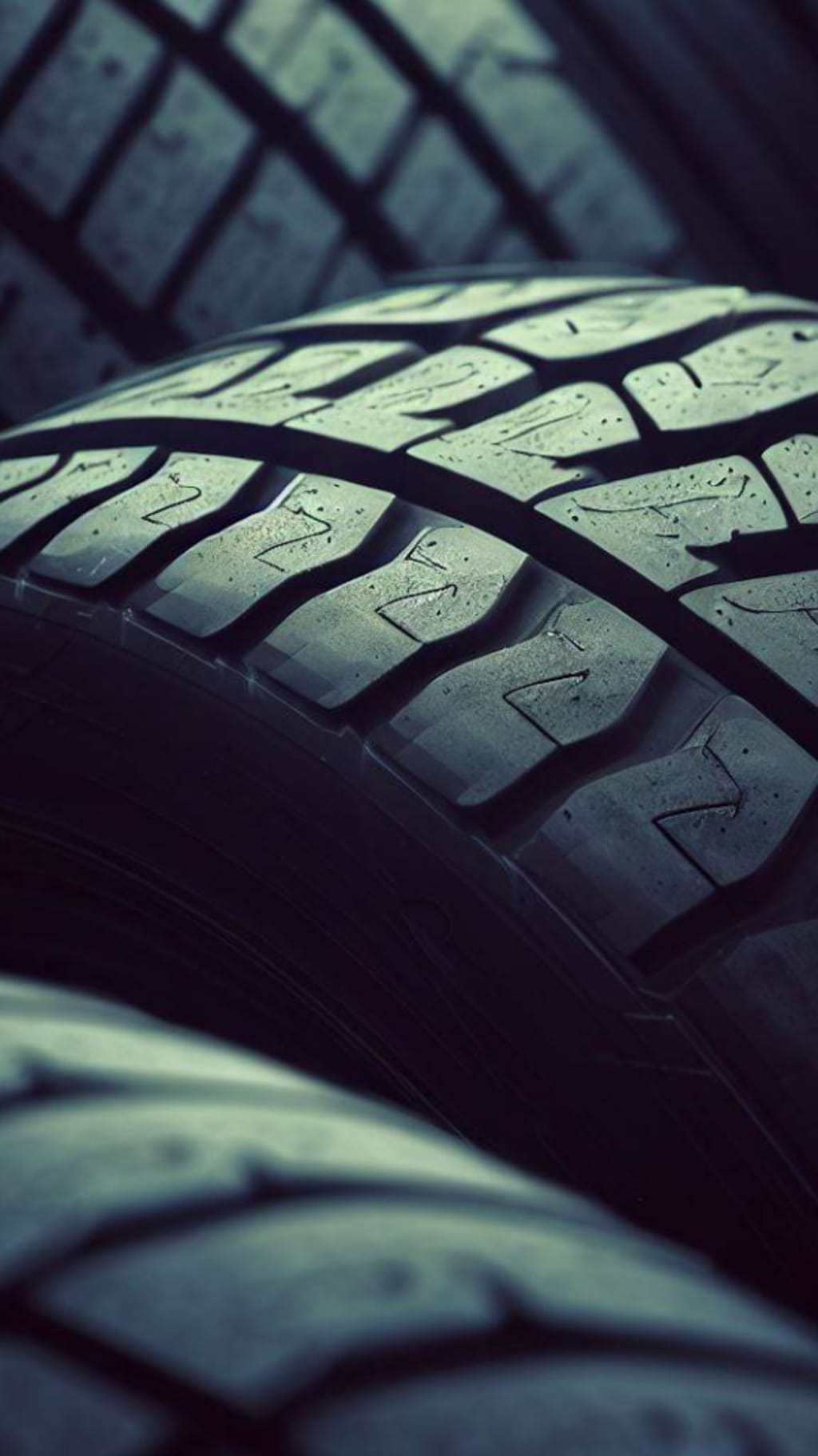
Rubber, a remarkable and versatile material, has played an indispensable role in our lives for centuries. From the tires on our vehicles to the soles of our shoes, rubber's unique combination of properties makes it an essential component in various industries. In this article, we will delve into the world of rubber, exploring its properties, production processes, and diverse applications.
Properties of Rubber
Elasticity: Rubber is renowned for its remarkable elasticity. When subjected to force or pressure, it can deform significantly and then return to its original shape once the stress is removed. This property is what makes rubber so valuable for products like tires, conveyor belts, and shock absorbers.
Insulation: Rubber is an excellent electrical insulator, making it ideal for use in electrical wires, cables, and insulation materials. Its ability to resist the flow of electrical current helps ensure safety in electrical systems.
Chemical Resistance: Rubber exhibits resistance to a wide range of chemicals, making it suitable for applications in chemical processing, laboratories, and the automotive industry. It can withstand exposure to various corrosive substances without deteriorating.
Waterproofing: Due to its water-resistant properties, rubber is widely used in the manufacturing of waterproof clothing, boots, seals, and gaskets. It prevents the ingress of water and moisture, keeping the wearer or the contents of a sealed container dry.
Thermal Resistance: Rubber can withstand a broad range of temperatures, from extremely cold to high heat, without losing its integrity. This property makes it essential in the production of seals, gaskets, and hoses used in automotive engines and industrial machinery.
Production of Rubber
Natural rubber is derived from the latex sap of the Hevea brasiliensis tree, commonly known as the rubber tree. The latex is collected by making diagonal cuts in the tree's bark, allowing the latex to flow into collection cups. This milky-white latex is then processed to create various rubber products. Synthetic rubber, on the other hand, is produced through chemical processes using petrochemicals as raw materials.
The production of synthetic rubber involves polymerization, where small monomer molecules are chemically bonded together to form long polymer chains. This process can be tailored to create rubber materials with specific properties, such as resistance to heat, chemicals, or abrasion. Synthetic rubber is widely used alongside natural rubber to meet the diverse requirements of different industries.
Applications of Rubber
Automotive Industry: Tires, hoses, belts, and seals are crucial components of vehicles, all made from rubber. Tires, in particular, rely on rubber's elasticity and durability to provide traction and ensure a smooth ride.
Construction: Rubber is used in construction for sealing materials, gaskets, and insulation. It also finds application in roofing materials and flooring, where its waterproof and insulating properties are valuable.
Healthcare: Medical equipment, gloves, tubing, and seals are often made from rubber due to its non-reactive nature and flexibility, which is essential for patient safety and comfort.
Footwear: The soles and insoles of shoes are commonly made of rubber, providing comfort, support, and slip resistance.
Industrial Machinery: Rubber is used in conveyor belts, gaskets, and vibration-damping mounts to reduce noise and enhance machine performance.
Consumer Goods: Rubber is found in a variety of everyday items, such as kitchen gloves, toys, and sporting equipment like balls and grips.
Conclusion
Rubber's unique combination of properties, including elasticity, electrical insulation, and chemical resistance, make it an indispensable material in numerous industries and applications. Whether it's the tires that keep our vehicles on the road, the seals that keep our homes weatherproof, or the gloves that protect our hands, rubber's versatility and reliability continue to shape the modern world. As technology and manufacturing processes evolve, we can expect to see even more innovative uses for this remarkable material in the years to come.
About the Creator
Keep reading
More stories from writers in Writers and other communities.
Unofficial Challenge: Black History Celebration
Forward: February 28th, 10:53 PM, EST... The final hour of Black History Month, 2026. Hello fellow writers. I've had this challenge waiting in my drafts for most of the month. But I held off on publishing it, until now.
By Sam Spinelli6 days ago in Writers
Bomb Scare
It was 2027, and the world never thought it would happen. A missle hit the United States, but it wasn't where they had anticipated. A little town in the northeast was hit by a missile strike, they didn't know why, and they didn't know exactly where it hit, but they did know it was a coastal community, somewhere between Maine and Delaware.
By Gregory Paytonabout 19 hours ago in Fiction




Comments
There are no comments for this story
Be the first to respond and start the conversation.