
The Unexpected Power of Pop Culture to Promote Books
How a nostalgic internet duo helped make books cool again for Gen Z.

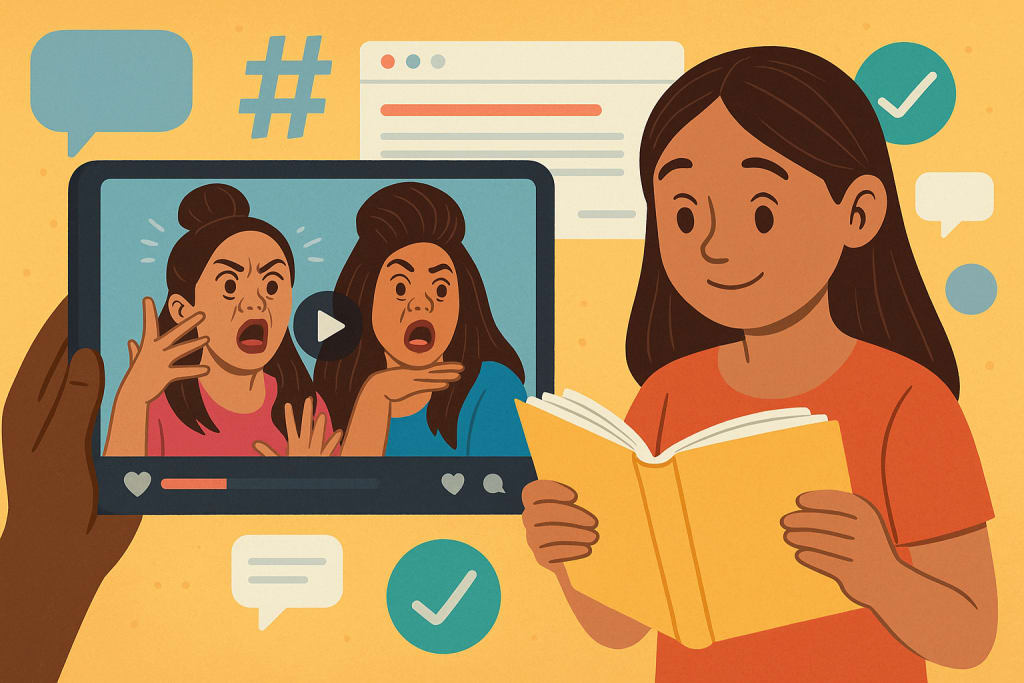
Not All Readers Start with Books
Not every young reader begins their journey with a bookshelf. Some start with a TikTok scroll. Others with a meme. In today’s content-saturated world, stories often reach audiences long before they ever open a book. This shift isn’t a crisis—it’s an opportunity. Especially for authors trying to connect with kids who’ve grown up more on screens than in libraries.
For those promoting titles like a Filipino middle grade book, the goal isn’t just to find readers—it’s to create them. And one viral campaign involving a pair of internet-famous girls proved just how powerful unconventional entry points into literature can be.
The Role of Pop Culture in Bridging Gaps
Pop culture has always been a mirror for the times, but lately, it's become a door. It opens up pathways between creators and communities, especially for young audiences. What they wear, watch, and click “like” on can be more telling than what they say in class.
When publishers and creatives begin to treat memes, music, and moments as valid vehicles for storytelling, the literary world becomes a lot more inviting. Pop culture can make a Filipino middle grade book feel less like homework and more like hanging out with a favorite cousin.
That was the thinking behind a recent promotional experiment that brought together a debut children’s novel and the Pabebe Girls—a duo best known for their exaggerated selfies, satirical fierceness, and viral charm.
When Memes Meet Manuscripts
The Pabebe Girls aren’t book influencers. They don’t host read-alongs or post shelfies. But they do know how to command attention. When the team behind a new Filipino middle grade book approached them for a collaboration, it wasn’t about traditional endorsements. It was about energy.
The campaign dropped with a short video. It featured the Girls in full character—eyes wide, hair brushed high—reenacting a dramatic moment from the book. It was loud. It was funny. It was shareable. And it worked.
What followed was a ripple of reaction videos, stitches, and comments from kids who admitted they hadn’t heard of the book before—but now wanted to read it. The post didn’t push a plot summary or list awards. It delivered a feeling, and for many, that feeling was enough to spark curiosity.
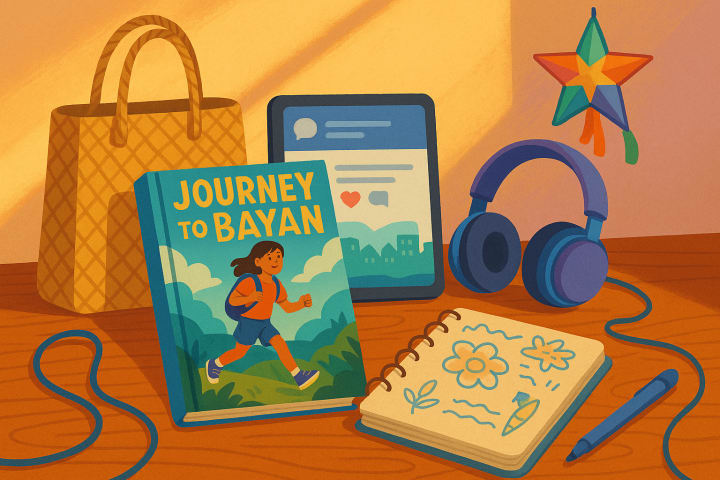
Digital Entry Points to Literature
This moment highlights a growing truth: today’s young readers don’t need to be told a book is good—they need to be shown why it matters to them. That might mean connecting through a YouTube clip, a meme format, or even a catchphrase.
In the case of this Filipino middle grade book, the collaboration blurred the lines between literary and viral content. It didn’t sacrifice the heart of the story. Instead, it expanded the reach by using the internet’s native language—humor, drama, and fast-paced storytelling.
These digital gateways don’t just market books; they build bridges. For kids who’ve never seen themselves reflected in school reading lists, seeing a Filipino middle grade author team up with internet icons who look and sound like their own community can feel revolutionary.
Lessons from Non-Traditional Campaigns
The success of the Pabebe Girls video didn’t just lie in its numbers. It offered a roadmap for future promotions rooted in culture, not just commerce. Rather than chasing literary prestige, the campaign focused on cultural fluency. That made the message land—and stick.
One key takeaway? Don’t underestimate the power of unconventional literary campaigns. It’s not about dumbing things down—it’s about meeting audiences where they are and inviting them in with open arms.
By embracing humor and emotional resonance over polish and perfection, the campaign reached kids who rarely engage with bookish content. And once inside the world of the novel, many of them stayed. Because the story—once discovered—was worth it.
Conclusion: Redefining Book Promotion
In a time when algorithms often determine visibility, creative strategies are more essential than ever. Promoting a Filipino middle grade book today means more than pitching to teachers and librarians. It means understanding the rhythm of a generation raised online.
The collaboration with the Pabebe Girls wasn't just a moment—it was a movement. It proved that storytelling doesn’t start and end with the printed page. It can start with a laugh, a share, or a viral catchphrase. And sometimes, that’s enough to guide a young reader to chapter one.
As more Filipino middle grade authors navigate how to connect with wide and diverse audiences, the lesson remains clear: authenticity travels. And when books are introduced not as assignments, but as cultural conversations, even the most unexpected partnerships can turn non-readers into readers.
About the Creator
Maxine Dela Cruz
Maxine Dela Cruz is a storyteller who writes about culture, events, and youth media. Her work captures how books, traditions, and collaborations influence how we grow up and who we become.
Keep reading
More stories from Maxine Dela Cruz and writers in Writers and other communities.
Books, Belonging, and the Neighborhood Fair
Community Events as Literacy Triggers In neighborhoods where sidewalks double as playgrounds and basketball courts host weekend barbecues, something quieter but equally powerful often unfolds—a child meets a book for the first time. Local community events, especially those centered around storytelling and books, have an underestimated power: they create readers. These moments aren't just about literacy—they're about identity, belonging, and discovery.
By Maxine Dela Cruz8 months ago in Writers


Comments (1)
A fun and smart take on how pop culture can turn reading into a trend for the next generation.