
The Ultimate Guide to Pruning Apple Trees for Optimal Growth
When To Prune Apple Trees

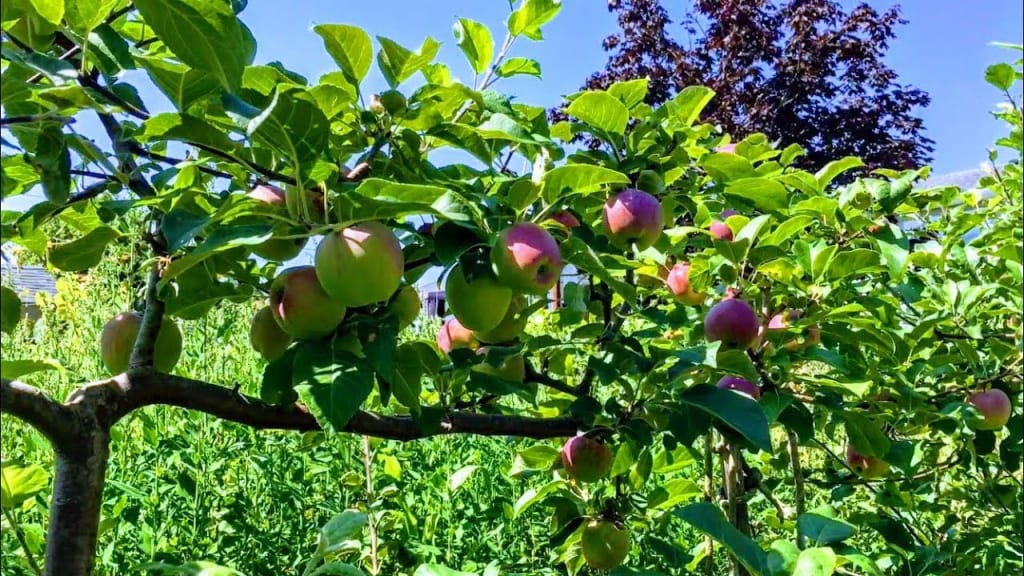
Pruning apple trees is more than just a routine garden task; it is an art and science that can determine the health, productivity, and lifespan of your orchard. Whether you're a seasoned gardener or a novice with a single tree in your backyard, understanding how and when to prune apple trees is vital for anyone hoping to enjoy a juicy harvest year after year. By practicing proper techniques and timing, you can encourage healthier growth, prevent diseases, and achieve an aesthetically pleasing shape.
Why Pruning Apple Trees Matters
Apple trees, like most fruit-bearing plants, require consistent care to thrive. Over time, branches can become overcrowded, diseased, or weak, putting pressure on the tree and reducing its growth potential. Pruning helps by removing unnecessary growth, allowing the tree to focus its energy on producing better fruit. Additionally, well-maintained trees are less susceptible to common pests and diseases, as improved airflow and sun exposure make for a healthier, more resilient plant.
But there’s more to pruning than meets the eye. Doing it carelessly or at the wrong time can harm the tree and affect future yields. This makes it important to learn the right methods of tree pruning to optimize outcomes.
When to Prune Apple Trees
Timing is everything when it comes to pruning apple trees. The ideal period for pruning apple trees is during late winter or early spring, while the tree is still dormant. This is when the sap is not actively flowing, and the absence of leaves makes it easier to see the tree's structure. Pruning apple trees during dormancy minimizes stress on the plant and reduces the risk of infections.
Late winter is preferred because the tree will heal more rapidly as the spring growth period begins. However, understanding the climate of your area is essential; in places where late frosts are common, you might want to hold off until early spring to prevent frost damage to freshly pruned limbs. Avoid pruning during autumn as it may stimulate unseasonal growth or leave the tree vulnerable to winter damage.
How to Prune an Apple Tree Like a Pro
Pruning apple trees effectively requires thoughtful planning and consistent effort. Start by examining your tree for signs of damage, overcrowding, or disease. The primary goal is to remove dead or weak branches, ensure proper light penetration, and maintain a balanced shape. Here's a step-by-step approach for pruning apple trees successfully:
Remove Dead or Diseased Wood: Always start by cutting away dead or broken branches. These parts of the tree cannot contribute to growth and may host pests or fungal infections.
Eliminate Suckers and Water Sprouts: Suckers are shoots that grow from the base of the tree, while water sprouts grow vertically from existing branches. Both divert nutrients away from fruit production and should be removed.
Open the Canopy: Remove branches that crisscross or grow towards the center of the tree. A well-pruned apple tree should have an open, vase-like shape that allows sunlight to reach all parts of the tree evenly.
Shorten Overly Long Branches: Keep your tree’s size manageable by trimming overly long branches. This not only helps with shaping but also prevents limbs from becoming overburdened with fruit.
Focus on the Leader: Apple trees generally have one dominant central leader branch. Prune competing branches to maintain a strong, upright structure.
Key Tips for Tree Pruning
While the basic steps above remain consistent, every apple tree is unique. Pay attention to its age, variety, and growing conditions when deciding how much and what to prune. Younger trees require shaping to establish a strong framework, while mature trees need maintenance to ensure continued productivity.
Tools also play an important role in effective pruning. Always use sharp, sanitized tools to make clean cuts that heal quickly. For larger branches, a pruning saw may be necessary, while hand pruners work well on smaller limbs.
Common Mistakes to Avoid
Even experienced gardeners can make mistakes when pruning apple trees. Here are a few common pitfalls to watch out for:
Over-pruning: Removing too much at once can weaken the tree, reducing its overall health and yield. Aim to trim no more than 20–30% of the tree's canopy in a single season.
Pruning at the Wrong Time: Cutting during growth periods or late in the year can stress the tree, making it vulnerable to disease or frost damage.
Unintentional Damage: Rough cuts or improper tools can leave wounds that invite pests and infections. Always ensure cuts are smooth and angled properly to encourage healing.
Trust the Experts
Pruning apple trees is rewarding, but it can also be intimidating if you're unsure of the process. That’s when professional help becomes invaluable. If you’re in Blackpool or nearby areas and need expert pruning services, Blackpool Tree Surgeon is here to assist. With years of experience, our team understands the complexities of tree pruning and provides customized solutions to keep your trees healthy and productive.
Whether you have an orchard or just one apple tree gracing your garden, our professional care ensures that your trees remain a source of pride. By combining industry expertise with cutting-edge equipment, we help clients achieve the best possible results while preserving the natural beauty of their plants.
Final Thoughts
Pruning apple trees is about more than just appearance; it’s a vital aspect of long-term tree care. By pruning with precision and timing it right, you can enjoy years of abundant harvests and a stunning landscape. Whether you’re pruning for the first time or want professional guidance, consider reaching out to experts like Blackpool Tree Surgeon to ensure optimal care. After all, a well-pruned apple tree is a happy apple tree, and happy trees yield great fruit!
About the Creator
Blackpool Tree Surgeon
Trust Blackpool Tree Surgeon for expert tree care services. Our skilled professionals ensure quality tree care solutions. Call us at 01253 587068.
Keep reading
More stories from Blackpool Tree Surgeon and writers in Writers and other communities.
The Ultimate Guide to Rubber Tree Care
Rubber trees (Ficus elastica) are a popular choice among indoor plant enthusiasts due to their stunning appearance, easy maintenance, and ability to purify the air. Taking care of a rubber tree plant is rewarding, but to truly see it thrive, you need to understand its needs. Whether you’re a beginner or an experienced plant lover, this guide will provide you with everything you need to know about rubber tree care while ensuring your plant stays healthy and flourishes.
By Blackpool Tree Surgeon10 months ago in Writers




Comments
There are no comments for this story
Be the first to respond and start the conversation.