
The Travel Insurance I Never Skip and Why
Why I Never Travel Without the One Safety Net That Truly Matters


The Illusion of Safety
Most travelers think of travel insurance as a small checkbox at the end of a booking form, a minor add-on, like paying for extra legroom or a window seat.
I used to think the same way. I’d scroll past that little box that asked, “Add travel insurance?” and click no with smug confidence. Why would I pay for something I’d probably never use?
But the road has a way of teaching lessons the hard way.
After years of crossing borders, living out of backpacks, and learning to expect the unexpected, I realized that travel insurance isn’t just paperwork; it’s a lifeline. It’s the quiet safety net that turns chaos into something manageable.
And among the many types of coverage out there, there’s one I never skip: medical and emergency evacuation insurance. It’s not glamorous, but it’s saved me from potential disaster more than once.
Why I Stopped Playing the “It Won’t Happen to Me” Game
There’s a universal phase all travelers go through, that early, fearless confidence where you think you’re invincible. You’ve got good shoes, good health, and Google Maps. What could go wrong?
Then reality checks you.
I’ve seen a friend slip on a trail in Costa Rica and spend three nights in a hospital bed, racking up a $3,000 bill that could have been $30 with insurance.
I’ve had flights canceled in Paris that wiped out prepaid hotel reservations.
And in Bangkok, I learned how fast chaos can unravel when my backpack, passport, laptop, and all disappeared in a crowded night market.
Those moments stripped away the illusion of control.
Accidents and setbacks don’t ask for permission before showing up. They just do. And when they do, you don’t want to be Googling “emergency hospital near me” while checking your bank balance.
The One Policy I’ll Never Travel Without
Lost luggage is annoying. Delayed flights are frustrating. But medical emergencies? They can change your life, and your finances, overnight.
That’s why I always buy medical and emergency evacuation insurance before every international trip, no matter how short or how “safe” the destination seems.
Here’s what that means:
- Medical Coverage: It covers hospital visits, medication, X-rays, surgery, all the things that can drain your savings in a heartbeat.
- Emergency Evacuation: If I’m injured or seriously ill in a place without adequate care, I can be flown to the nearest qualified hospital or even back home. Those flights can cost anywhere from $20,000 to $100,000. My policy ensures I never have to swipe my card in panic.
- Repatriation: In extreme cases, it even covers the cost of sending you home, a benefit you hope you’ll never need but one your family will be grateful for.
It’s not about being paranoid; it’s about being prepared. Because the truth is, you can replace a camera or a suitcase, but you can’t negotiate with a broken leg at the border.
How I Choose the Right Coverage
Not all insurance is created equal. Early on, I learned that the cheapest plan isn’t always the best one. I started reading the fine print, really reading it, and built a personal checklist of must-haves.
1. High Medical Coverage Limits
I never go below $100,000 in coverage. It might sound like overkill, but a simple hospital visit in the U.S. or parts of Europe can hit that number before you even realize it.
2. Evacuation and Repatriation
Some plans only cover local hospitals. I make sure mine includes air ambulance evacuation to my home country if needed.
3. Adventure Activities
I hike, dive, and occasionally make questionable decisions involving scooters and mountain trails. I always check if “adventure sports” are included; you’d be surprised how many aren’t.
4. 24/7 Assistance Hotline
I want to know I can call someone, a real human, at 3 a.m. from any time zone and get help.
5. Pandemic Coverage
2020 was the wake-up call. Policies that excluded pandemics left travelers stranded with canceled flights and unpaid bills. Never again.
The Hidden Benefits Nobody Mentions
Good insurance doesn’t just save you during emergencies, it quietly supports you through smaller crises too. Over the years, I’ve discovered perks that few people talk about.
- Lost Passport Assistance: When I lost my documents in Thailand, my insurer helped me book an embassy appointment and reimbursed emergency travel costs.
- Legal Help Abroad: I once needed translation assistance for a rental dispute in Spain, covered.
- Emergency Cash Advances: After my debit card was cloned in Mexico, I got a same-day cash transfer.
- Trip Delay Reimbursement: When a storm grounded my connecting flight, my insurance covered the unexpected hotel stay.
It’s like having a backstage crew making sure the show keeps running smoothly while you handle the spotlight of your travels.
The Cost-Benefit Reality
People often say, “But isn’t travel insurance expensive?”
Not really, not compared to what it saves you.
For perspective:
- A comprehensive plan for a month-long trip costs about the same as two nice dinners.
- A medical evacuation without coverage can equal the price of a new car.
When I think of it that way, the decision is easy. Travel insurance isn’t a luxury; it’s a cost of doing business with the world.
What It Feels Like When You Actually Need It
The first time I filed a claim, I was terrified it would be a nightmare, endless forms, fine print, and hold music. Instead, it was seamless.
I’d caught a bacterial infection in Morocco and needed antibiotics and a hospital check-up. My insurer’s 24-hour line helped me locate an English-speaking doctor within minutes. They handled the billing directly, and I didn’t pay a cent out of pocket.
That experience changed everything. Suddenly, insurance wasn’t abstract anymore. It was real people helping me when I was scared, sick, and alone in a foreign city.
The Emotional Safety Net
Money aside, there’s an emotional side to this, too.
Travel, especially solo or long-term, can feel unpredictable. You learn to navigate lost luggage, missed connections, and unfamiliar languages. But when you know you have a plan if things go really wrong, you move through the world differently.
There’s confidence in knowing that no matter what happens, an injury, a canceled flight, or a lost passport, you have backup. It doesn’t remove uncertainty, but it softens it. It lets you focus on the joy of the journey instead of the fear of “what if.”
That peace of mind? Priceless.
Lessons I’ve Learned Along the Way
After years of traveling, sometimes responsibly, sometimes recklessly, here are my biggest takeaways about travel insurance:
1. Buy it before you leave, not after.
Many policies won’t cover incidents that happen within the first 24–48 hours of purchase.
2. Don’t assume your credit card’s “free insurance” is enough.
Most card-issued insurance only covers trip cancellations or lost luggage, not medical emergencies.
3. Always carry digital and physical copies.
I keep a screenshot of my policy number on my phone and a paper copy in my passport holder.
4. Read the exclusions.
Some policies exclude alcohol-related injuries, extreme sports, or even scooter accidents. Know what you’re paying for.
5. Renew it on time.
Long-term travelers sometimes forget to renew, assuming auto-renewal covers them, it doesn’t always.
Travel Insurance Myths, Debunked
Myth #1: “I’m young and healthy; I don’t need it.”
Accidents don’t discriminate by age. Even minor injuries abroad can lead to massive bills.
Myth #2: “It’s too expensive.”
It’s cheaper than most people think. A few dollars a day buys peace of mind that can save thousands.
Myth #3: “I can just use my local health insurance.”
Most domestic plans stop covering you once you leave your country. You’re effectively uninsured abroad.
Myth #4: “I’ll figure it out if something happens.”
Emergencies aren’t the time to “figure things out.” You’ll want help ready before panic sets in.
A Real Story That Changed My Perspective Forever
Years ago, I met a fellow traveler in Peru. She’d been trekking in the Andes when altitude sickness hit hard. She collapsed on the trail, miles from help.
Her travel insurance covered an emergency airlift to Lima and full medical care. Without it, her evacuation alone would’ve cost more than $40,000.
That story became my mantra: “It’s not about if, it’s about when.”
Why I’ll Never Travel Without It Again
Travel insurance doesn’t remove risk, but it transforms it. It turns fear into foresight and chaos into confidence.
For me, skipping it would be like hiking barefoot; you might get far, but eventually, reality will catch up to you.
So, when I pack for a new trip, my essentials list is always the same:
- Passport
- Laptop
- Insurance policy
Everything else is negotiable.
Because the best adventures start with freedom, and freedom only feels real when you know you’re covered.
Final Thoughts
Travel teaches you humility. The world is unpredictable, people are kind, and accidents happen.
You can’t plan for every surprise, but you can prepare for the fallout.
Medical and evacuation insurance might not make your trip Instagram-worthy, but it’s the invisible force that keeps your adventures alive. It’s the reason I can travel with confidence, knowing that if the worst happens, I’ll have the help I need.
So before your next flight, do yourself one small favor.
Check that box. Add the coverage. Protect the journey, and the version of you brave enough to take it.
About the Creator
Jasmine Bowen
I’m a digital nomad with a love for history, hidden corners, and real connections. From bustling cities to quiet villages, I share stories that uncover the authentic side of travel, the kind you won’t find in guidebooks.
Keep reading
More stories from Jasmine Bowen and writers in Writers and other communities.
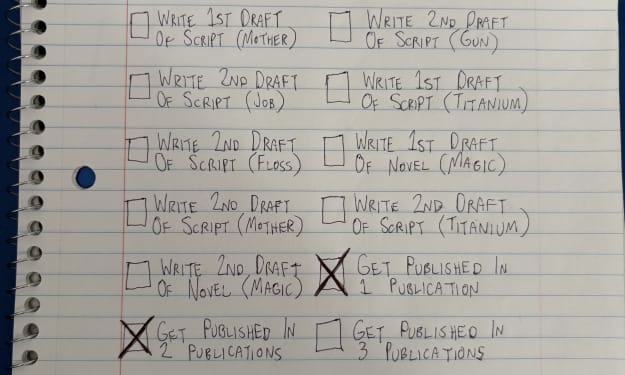
Early March 2026: 4 Goals Accomplished
It's early March and I've now accomplished my 4th writing goal for the year of 2026. Before diving into the behind-the-scenes of it... why not tell you up front what that accomplishment was? I was published in a 2nd publication for this year. Published in Helix Literary Magazine out of Central Connecticut State University. You can read it for free right now!
By Stephen Kramer Avitabile6 days ago in Writers
Should You Use Elementor for WordPress in 2026
Building a professional website used to require strong coding knowledge, design skills, and significant time. Over the past few years, page builders have transformed the way websites are created on WordPress. Among these tools, elementor has played a major role in making website creation easier for beginners, freelancers, and businesses. But the WordPress ecosystem continues to evolve rapidly. New tools, faster frameworks, and improved block editors are changing the landscape.
By Louis Specter7 days ago in Writers



Comments
There are no comments for this story
Be the first to respond and start the conversation.