

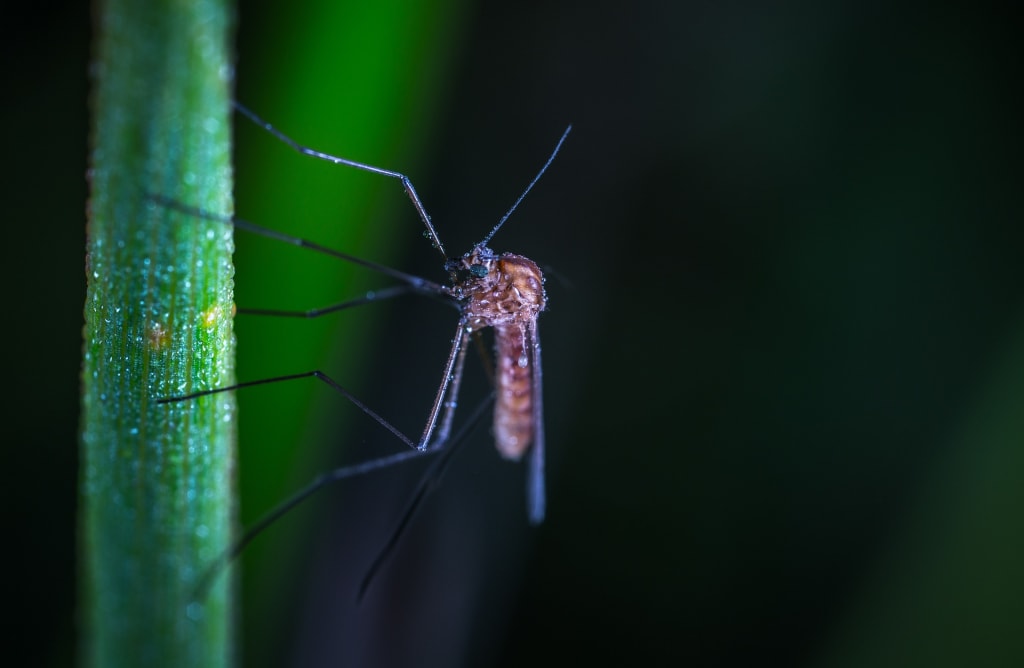
The Tiger Mosquito: Aedes albopictus
Introduction
The tiger mosquito, Aedes albopictus, is a small, invasive mosquito that is native to Southeast Asia. It has been accidentally introduced to many other parts of the world, including the United States, Europe, and South America. The tiger mosquito is known for its aggressive biting behavior and its ability to transmit a number of serious diseases, including dengue, chikungunya, and Zika.
History and Spread
The tiger mosquito is thought to have originated in Southeast Asia. It was first described in 1894 by the British entomologist Frederick Vincent Theobald. The tiger mosquito was accidentally introduced to the United States in the 1980s, and it has since spread to all 50 states. It has also been introduced to Europe, South America, Africa, and the Middle East.
Physical Description
The tiger mosquito is a small, black and white mosquito. It has a white stripe on its back and white bands on its legs. The tiger mosquito is about 1/2 inch long.
Habitat and Behavior
The tiger mosquito lives in tropical and subtropical regions around the world. It is found in both urban and rural areas. The tiger mosquito breeds in water, and it can be found in a variety of habitats, including backyards, gardens, and even inside homes.
The tiger mosquito is a day-time biter, and it is most active during the early morning and evening hours. The tiger mosquito is an aggressive biter, and it will often bite multiple times.
Diseases Transmitted
The tiger mosquito can transmit a number of serious diseases, including:
Dengue
Chikungunya
Zika
Dengue
Dengue is a mosquito-borne viral disease that is caused by the dengue virus. Dengue is a major public health concern in many parts of the world, and it is estimated to cause 390 million infections each year.
The symptoms of dengue typically appear 3-14 days after being bitten by an infected mosquito. The symptoms of dengue can include:
Fever
Headache
Muscle and joint pain
Nausea and vomiting
Rash
In some cases, dengue can develop into a more severe form of the disease called dengue hemorrhagic fever. Dengue hemorrhagic fever can cause internal bleeding and can be fatal.
Chikungunya
Chikungunya is a mosquito-borne viral disease that is caused by the chikungunya virus. Chikungunya is a relatively new disease, and it was first identified in 1952 in Tanzania. Chikungunya has since spread to many other parts of the world, including the Americas, Europe, and the Indian Ocean region.
The symptoms of chikungunya typically appear 3-7 days after being bitten by an infected mosquito. The symptoms of chikungunya can include:
Fever
Headache
Muscle and joint pain
Nausea and vomiting
Rash
The symptoms of chikungunya are usually mild and go away on their own within a few weeks. However, chikungunya can cause severe joint pain in some people, and this pain can last for months or even years.
Zika
Zika is a mosquito-borne viral disease that is caused by the Zika virus. Zika is a relatively new disease, and it was first identified in 1947 in Uganda. Zika has since spread to many other parts of the world, including the Americas, Africa, and Asia.
The symptoms of Zika are usually mild and go away on their own within a week. The symptoms of Zika can include:
Fever
Headache
Muscle and joint pain
Rash
Conjunctivitis (red eyes)
In some cases, Zika can cause more serious problems, such as microcephaly in babies born to mothers who were infected with Zika during pregnancy. Microcephaly is a condition in which babies are born with smaller than normal heads.
Prevention
There are a number of things you can do to protect yourself from the tiger mosquito and the diseases it can transmit, including:
Use insect repellent
Wear long sleeves and pants
Drain standing water
Repair holes in screens
Insecticide Spraying
Insecticide spraying is one way to control the tiger mosquito population. Insecticides can be sprayed on a variety of surfaces, including homes, businesses, and public areas. Insecticide spraying can be effective in killing adult mosquitoes, but it does not kill mosquito eggs or larvae.
Larval Control
Larval control is another way to control the tiger mosquito population. Larval control involves killing mosquito larvae before they become adults. This can be done by removing standing water, applying larvicides, and introducing biological control
About the Creator
Keep reading
More stories from writers in Writers and other communities.
Thoughts on Vocal and the way the world is
"Death cannot stop true love, only delay it." – Wesley in The Princess Bride. I decided to come back to Vocal on a very cold and dark night at the end of December. I had been, and still am, convalescing from a horrible staph infection that had gone misdiagnosed for months. This, paired with the increasing challenges of being healthy, making the best choices for my co-parented child, being a wife, and being a director at a new job, was a lot to manage.
By Jazzy 3 days ago in Confessions



Comments
There are no comments for this story
Be the first to respond and start the conversation.