
The Royal Bengal Tiger: Pride of the Indian Subcontinent
Tiger's, Royal Bengale Tiger.
# **Introduction**
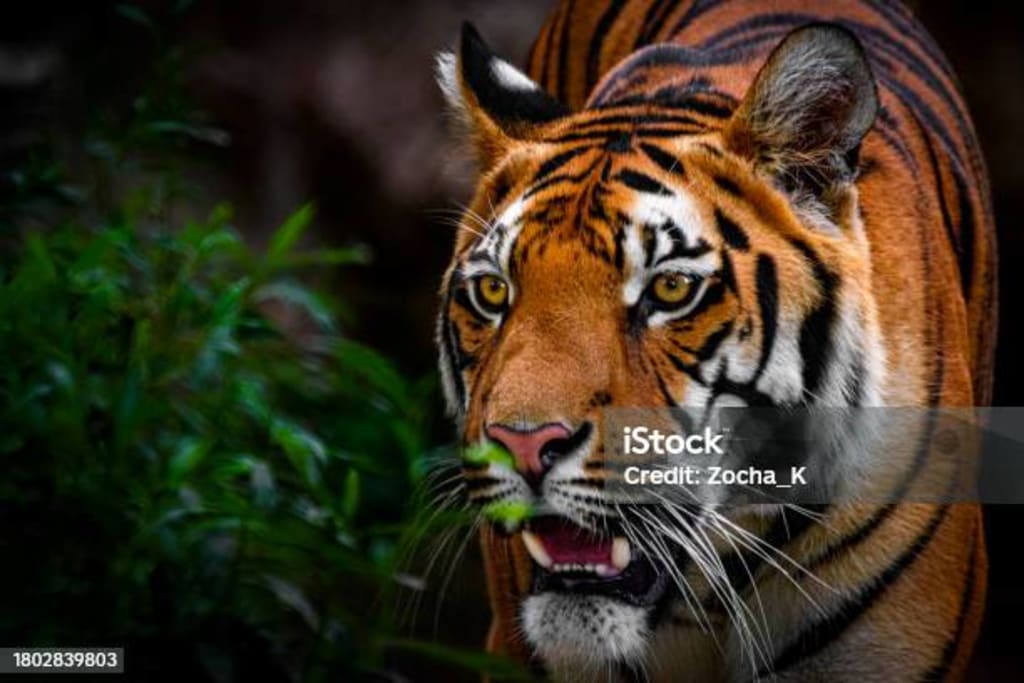
The **Royal Bengal Tiger** (*Panthera tigris tigris*) is the most iconic and majestic subspecies of tiger, primarily found in India, Bangladesh, Nepal, Bhutan, and parts of Myanmar. Renowned for its striking orange coat with bold black stripes, powerful build, and regal presence, it holds a sacred place in the culture and ecosystems of South Asia. Despite being the most numerous tiger subspecies, it remains endangered due to habitat loss, poaching, and human-wildlife conflict.
## **Physical Characteristics**
The Royal Bengal Tiger is one of the largest tiger subspecies, with males weighing **180–260 kg (400–570 lbs)** and measuring up to **3.1 meters (10 feet)** in length, including the tail. Females are slightly smaller but equally formidable. Key features include:
- **Vibrant orange fur with distinct black stripes** (each tiger’s pattern is unique).
- **White underbelly and facial markings** for camouflage in tall grasses.
- **Powerful jaws and retractable claws** for hunting large prey.
- **Strong, muscular build**, allowing it to take down animals much larger than itself.
Some rare **white Bengal tigers** (a genetic variant) exist in captivity but are extremely uncommon in the wild.
## **Habitat and Distribution**
The Royal Bengal Tiger thrives in diverse landscapes, including:
- **Dense tropical and subtropical forests** (Sundarbans, Western Ghats).
- **Mangrove swamps** (famous in the Sundarbans, where they are skilled swimmers).
- **Grasslands and savannas** (Terai regions of Nepal and India).
- **Dry deciduous forests** (Central India’s Kanha and Bandhavgarh reserves).
India hosts the **largest population** (around 3,000 tigers), followed by Bangladesh, Nepal, and Bhutan.
## **Behavior and Hunting**
- **Solitary and territorial**—males mark large territories (60–100 sq km) to avoid rivals.
- **Nocturnal hunters**, relying on stealth and ambush tactics.
- **Strong swimmers**, unlike most big cats, often cooling off or hunting in water.
- **Diet**: Primarily deer (chital, sambar), wild boar, gaurs (Indian bison), and occasionally smaller prey like monkeys or fish.
A single tiger can consume **20–35 kg (44–77 lbs) of meat in one meal** and may go days without eating afterward.
## **Cultural Significance**
The Bengal Tiger is deeply embedded in South Asian culture:
- **National animal of both India and Bangladesh**.
- **Featured in mythology and folklore** (e.g., the goddess Durga rides a tiger).
- **Symbol of strength and courage** in Indian traditions.
- **Featured in literature and films**, such as *The Jungle Book*’s Shere Khan.
## **Conservation Status & Threats**
- **IUCN Status**: Endangered (but stable in well-protected reserves).
- **Population**: ~3,000–3,500 in the wild (75% in India).
### **Major Threats:**
1. **Habitat Loss** – Deforestation and human encroachment fragment territories.
2. **Poaching** – Illegal trade in skins, bones (used in traditional medicine).
3. **Human-Wildlife Conflict** – Retaliatory killings when tigers attack livestock.
4. **Climate Change** – Rising sea levels threaten Sundarbans’ mangrove habitats.
### **Conservation Efforts:**
- **Project Tiger (1973)** – India’s flagship program increased tiger numbers from 1,800 (1970s) to ~3,000 today.
- **Protected Reserves** – Corbett, Ranthambore, Sundarbans, and Kaziranga are key sanctuaries.
- **Anti-Poaching Laws** – Strict penalties under CITES and national wildlife acts.
- **Community Involvement** – Eco-tourism and awareness programs reduce conflict.
## **Conclusion**
The Royal Bengal Tiger is not just a symbol of wilderness but a vital part of South Asia’s ecological and cultural heritage. While conservation efforts have shown success, continued protection is crucial to ensure this magnificent predator thrives for generations.
**"Save the Tiger, Save the Forest, Save Our Future."
About the Creator
Keep reading
More stories from writers in Writers and other communities.
After the Storm
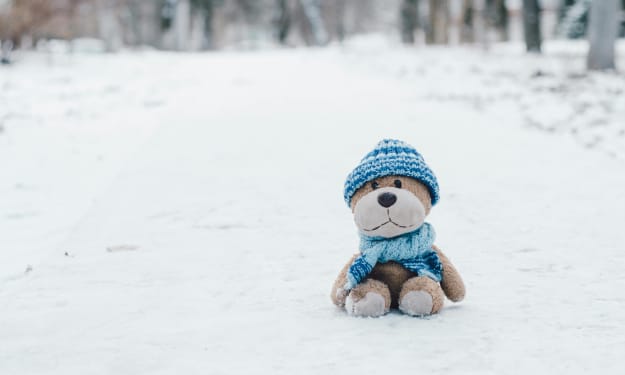
After the storm of winter snow there sat a small bear by the name Ted, of course. He loves the snow and likes to roll around in it making all sorts of trails and whatever he has a mind to do. He wondered where all the people are, but in a way, he is hoping that they are all snug in the homes maybe drinking hot chocolate-one of his favorite drinks with mini-marshmallows and eating something homemade for he likes this winter wonderland all to himself to romp and play and maybe even catch some fish down by the river.
By Mark Graham5 days ago in Fiction



Comments
There are no comments for this story
Be the first to respond and start the conversation.