
The Role of Material Testing in Preventing Construction Failures
By investing in extensive material testing, construction professionals may avoid costly failures and ensure projects are finished safely and effectively.

Introduction
In the construction sector, the necessity of guaranteeing structural safety and lifespan cannot be stressed. Material testing is a vital component of achieving this goal.
This procedure entails evaluating the physical and chemical qualities of construction materials to determine their suitability for particular uses.
By investing in extensive material testing, construction professionals may avoid costly failures and ensure projects are finished safely and effectively.
Understanding Materials Testing
Material testing includes a variety of approaches for determining the integrity and performance of construction materials. Concrete, steel, asphalt, wood, and masonry are some of the most commonly tested materials. These tests may include:
Compression Testing: Compression testing measures the strength of materials under compressive loads.
Tensile Testing: Tensile testing evaluates how materials respond under tension, showing their ductility and tensile strength.
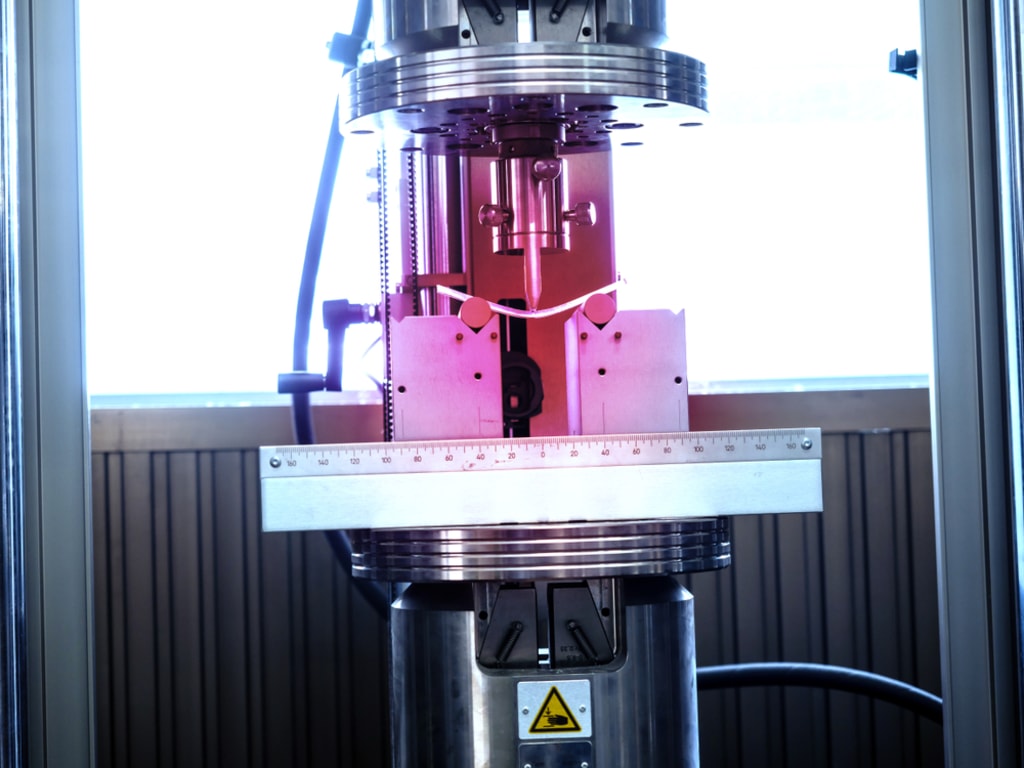
Flexural Testing: Flexural testing evaluates a material's capacity to withstand deformation under load.
Durability Testing: Durability testing determines how well materials endure environmental conditions such as moisture, temperature changes, and chemical exposure.
Each of these tests provides vital information to engineers and architects about the materials they want to employ, allowing them to make informed decisions.
Preventing Construction Failure
1. Identifying material deficiencies
One of the key functions of material testing is to detect flaws or problems in materials before they are used for construction. For example, if concrete samples show lower compressive strength than planned, the project team can take corrective action, such as using a higher-grade concrete mix. Early detection of such flaws can help to avoid catastrophic failures in the future, such as structural collapses or costly repairs.
2. Ensuring Compliance with Standards
Construction projects must follow numerous local and international construction codes and standards. Material testing ensures that these regulations are followed, ensuring that materials fulfill the quality and safety standards that have been established. Failure to achieve these criteria may result in legal implications and greater liability for building companies.
3. Improving structural integrity
Material testing is critical in ensuring the structural integrity of buildings and infrastructure. Engineers can design structures that can survive environmental stressors such as earthquakes, high winds, and heavy weights if they understand how different materials behave in different environments. This understanding is especially important in locations prone to natural disasters, where even modest material shortcomings can have serious repercussions.
4. Supporting Lifecycle Assessments
In today's construction context, sustainability and environmental effect are important issues. Material testing provides critical data for lifecycle evaluations, allowing builders to better understand materials' long-term performance and environmental impact. This information can help guide decisions that promote sustainability and lower a project's carbon impact.
5. Long-term cost savings
While some may consider material testing prices to be an additional expense, the reality is that investing in testing can result in significant cost savings over time. Companies save money on repairs, lawsuits, and project delays by avoiding construction disasters. Furthermore, high-quality materials require less frequent repair and replacement, resulting in lower operating expenses.
Case Studies on Construction Failures
Real-world examples demonstrate the vital necessity for material testing to avert construction failures. One famous case is the 1981 Hyatt Regency walkway collapse in Kansas City, which killed 114 people. Investigations indicated that the failure was partly caused by poor testing of the structural steel used in the walkways. If comprehensive material testing had been done, engineering problems could have been identified, thereby avoiding this catastrophe.
Another example is the Tacoma Narrows Bridge, which collapsed in 1940 due to design defects and inadequate materials. Engineers failed to adequately test the bridge materials and evaluate their performance under dynamic situations. This error underlined the importance of extensive material testing in structural design to assure safety.
Conclusion
Material testing is an essential part of the construction process that prevents failures. Material testing protects both investments and lives by discovering material flaws, assuring standard compliance, improving structural integrity, assisting with lifetime evaluations, and promoting long-term cost savings.
In a business where safety and quality are paramount, implementing rigorous material testing processes is not only prudent, but also necessary. As construction professionals continue to innovate and push the frontiers of design and engineering, material testing will play an increasingly important role in assuring the success and safety of building projects around the world.
Investing in material testing ensures quality, safety, and the future of building.
About the Creator
Falcon Geomatics LLC
Get premium sieve sets at unbeatable prices on Falcon Geomatics LLC. Elevate your geomatics game with top-quality sieves, available online in Dubai.
Know More: https://www.falcon-geosystems.com/total-stations/soil-testing/sieve-shaker/
Keep reading
More stories from writers in Writers and other communities.
Understanding Artificial Turf as a Lawn Alternative in Plano
Maintaining a natural lawn in Plano can be challenging due to weather conditions, water limitations, and ongoing upkeep requirements. Long summer heat, inconsistent rainfall, and soil conditions often make it difficult for grass to remain healthy throughout the year. As a result, many property owners are exploring artificial turf as an alternative surface solution.
By Abbasi Publisherabout 16 hours ago in Writers
One Unchecked Box
"Republished" because it was the only way to add the embed for the newly recorded audio version of this story due to the Top Story badge. Plus it serves as a nice, informal announcement of the podcast's revival for another season (go subscribe!):
By Stephen A. Roddewigabout 3 hours ago in Fiction
Whiskey At Dusk
Guess the whiskey was more important to you in the end, wasn’t it? It was more than the well-being of your friends; more vital than showing up to the places you promised you would and could come to; more critical of a matter than fulfilling your damn responsibilities and getting the press off your back.
By Snarky Lisa3 days ago in Humans




Comments
There are no comments for this story
Be the first to respond and start the conversation.