
The Rise of Generative AI:
How It’s Changing Content Creation


Imagine a world where writing an article, designing a logo, or even composing a song takes minutes, not hours. Thanks to generative AI, that world is already here. From bloggers and marketers to artists and developers, generative AI is shaking up how we create content—and it’s only just getting started. But what exactly is generative AI, and why is it causing such a buzz? Let’s dive in.
What is Generative AI?
Generative AI refers to artificial intelligence systems that create new content. Unlike traditional AI, which follows a set of rules or analyzes existing data, generative AI produces original material. It can generate text, images, music, videos, and even 3D models. Some of the most well-known tools, like ChatGPT, DALL-E, and MidJourney, showcase the power of this technology.
Here’s how it works: Generative AI uses machine learning models trained on vast amounts of data. These models learn patterns, styles, and structures, enabling them to create content that’s not only coherent but often indistinguishable from human-made work.
Why Generative AI is a Game-Changer for Content Creation
- Speed and Efficiency: Tasks that once took hours can now be completed in minutes. Need a blog post? Generative AI can whip one up. Looking for a fresh design? AI tools can create multiple options instantly.
- Cost Savings: Hiring professionals for every piece of content can get expensive. Generative AI offers an affordable alternative, making high-quality content creation accessible to smaller businesses and freelancers.
- Endless Creativity: AI doesn’t suffer from creative blocks. Whether you need unique visual art, catchy headlines, or innovative marketing copy, generative AI can keep ideas flowing.
- Customization: Generative AI tools allow users to tailor content to their specific needs. Whether it’s a tone of voice, color scheme, or writing style, AI adapts to fit your preferences.
- Scalability: For businesses with high content demands, generative AI makes it easier to scale without overwhelming teams or resources.
Real-World Applications
Generative AI is already making waves across industries. Here are a few examples:
- Writing and Editing: Tools like ChatGPT help writers brainstorm ideas, draft content, and refine their work. AI can even translate text, summarize documents, and improve grammar.
- Design and Visual Art: Platforms like Canva and DALL-E enable users to create stunning visuals, logos, and marketing materials without design expertise.
- Marketing and Advertising: Generative AI helps marketers craft personalized ad copy, social media posts, and email campaigns. By analyzing data, it can predict what type of content will resonate with specific audiences.
- Video and Audio Production: AI tools can edit videos, generate voiceovers, and even create original music, reducing production time and costs.
- E-Learning and Education: Generative AI can produce educational materials, quizzes, and interactive lessons tailored to different learning styles.

The Challenges of Generative AI
While the possibilities are exciting, generative AI comes with its own set of challenges:
Quality Control: AI-generated content isn’t always perfect. It may produce errors, factual inaccuracies, or work that lacks originality.
Ethical Concerns: AI can be used to create misleading content, deepfakes, or material that infringes on copyrights. These issues raise questions about accountability and ethical use.
Job Displacement: As AI takes on tasks traditionally done by humans, some fear it could lead to job losses in creative fields.
Dependence on Technology: Over-reliance on AI tools may stifle human creativity and critical thinking.
Is Generative AI the Future of Content Creation?
The rise of generative AI doesn’t mean humans are out of the picture. Instead, it signals a shift in how we approach creative work. Think of AI as a collaborator rather than a replacement. By automating repetitive tasks and sparking ideas, it frees up time for humans to focus on strategy, innovation, and storytelling.
For example, a marketer might use AI to draft an email campaign but add their personal touch to ensure it’s authentic and engaging. A designer might let AI generate initial concepts but refine the final design themselves.
As generative AI continues to evolve, we’re likely to see even more seamless integration between humans and machines. Tools will become smarter, more intuitive, and better at adapting to individual needs.
How to Make the Most of Generative AI
If you’re ready to embrace the power of generative AI, here’s how to get started:
- Choose the Right Tools: Research platforms that align with your needs, whether it’s writing, design, or video production.
- Set Clear Goals: Define what you want to achieve with AI. Are you looking to save time, improve quality, or explore new creative ideas?
- Combine AI with Human Insight: Use AI as a starting point, but don’t skip the human touch. Review, edit, and refine AI-generated work to ensure it meets your standards.
- Stay Informed: The AI landscape is constantly changing. Keep up with new tools, updates, and best practices to stay ahead of the curve.
Generative AI is no longer a futuristic concept; it’s here, and it’s transforming the way we create. While it comes with challenges, the opportunities it offers are too significant to ignore. By embracing this technology thoughtfully, we can unlock new levels of creativity and efficiency.
So, whether you’re a content creator, business owner, or someone curious about the future, it’s time to explore how generative AI can change the way you work. The question isn’t whether AI will impact content creation—it’s how you’ll use it to your advantage.
About the Creator
Katina Banks
I’m Katina, a freelance writer blending creativity with life’s truths. I share stories on growth and media through blogs and visuals, connecting deeply with readers. Join me on this journey of inspiration!
Keep reading
More stories from Katina Banks and writers in Writers and other communities.
The Magic
In the small, cheerful town of Willowbrook, there lived a boy named Leo who loved exploring the woods behind his house. With his messy brown hair and a backpack full of snacks and notebooks, he often ventured into the forest, imagining himself as a great adventurer. But despite his love for adventure, Leo often felt lonely. His family had just moved to Willowbrook, and he hadn’t yet made any friends.
By Katina Banksabout a year ago in Writers
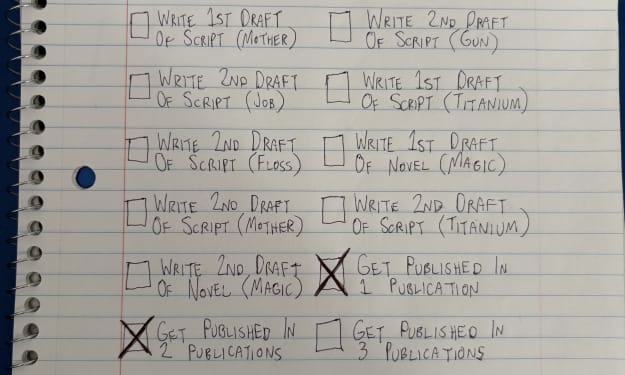
Early March 2026: 4 Goals Accomplished
It's early March and I've now accomplished my 4th writing goal for the year of 2026. Before diving into the behind-the-scenes of it... why not tell you up front what that accomplishment was? I was published in a 2nd publication for this year. Published in Helix Literary Magazine out of Central Connecticut State University. You can read it for free right now!
By Stephen Kramer Avitabile5 days ago in Writers
I Chose Self-Publishing Because 70% Royalties Sounded Better. Then 70% Of Zero Changed My Mind.
I have a self-published book, and it was a flop. Only sold 10 copies type of flop. But I didn't choose self-publishing after careful consideration of both paths. I chose it because it seemed obviously better, and I didn't want to interrogate that assumption.
By Ellen Francesa day ago in Writers



Comments
There are no comments for this story
Be the first to respond and start the conversation.