
The Next Step for AI Writing: Making Machine Text More Human
AI Writing to Humanizer
San Francisco, CA — November 1, 2025
Artificial intelligence is transforming the way we communicate online. From drafting reports to writing blog posts, AI systems now assist millions of people in creating text quickly and efficiently. But as these tools become more common, one question stands out: how can AI-generated writing sound more natural without losing accuracy or transparency?
The Growing Use of AI in Writing
Over the past few years, AI-assisted writing platforms such as ChatGPT and Gemini have become part of everyday workflows. They help users summarize information, refine tone, and speed up repetitive writing tasks. Businesses, students, and content creators rely on them to save time and improve clarity.
However, readers often notice when text has been produced entirely by a machine. Even when accurate, it can feel overly formal or lack the subtle rhythm of human language. This has led to a new area of focus in technology — AI content refinement, where the goal is to make text easier to read and more relatable without changing its meaning.
Why “Humanizing” AI Text Matters
Human readers respond to natural flow, variation, and tone. When every sentence follows the same structure, even good information can seem lifeless. Refining AI-generated text helps bridge that gap by improving readability and emotional rhythm.
Importantly, the aim is not to hide that AI was involved. Instead, it is about improving the quality of communication so that technology supports human expression rather than replacing it.
The Ethics of Refinement
The discussion around AI and ethics often focuses on transparency — how clearly writers disclose when AI tools have been used. Editing or rephrasing machine-generated text is acceptable when the process is transparent and the result accurately reflects the author’s intent.
Ethical refinement avoids deception. It improves structure, vocabulary, and pacing but does not attempt to disguise AI involvement or mislead readers. This approach supports responsible writing practices while preserving trust between authors and audiences.
Tools Supporting Responsible AI Editing
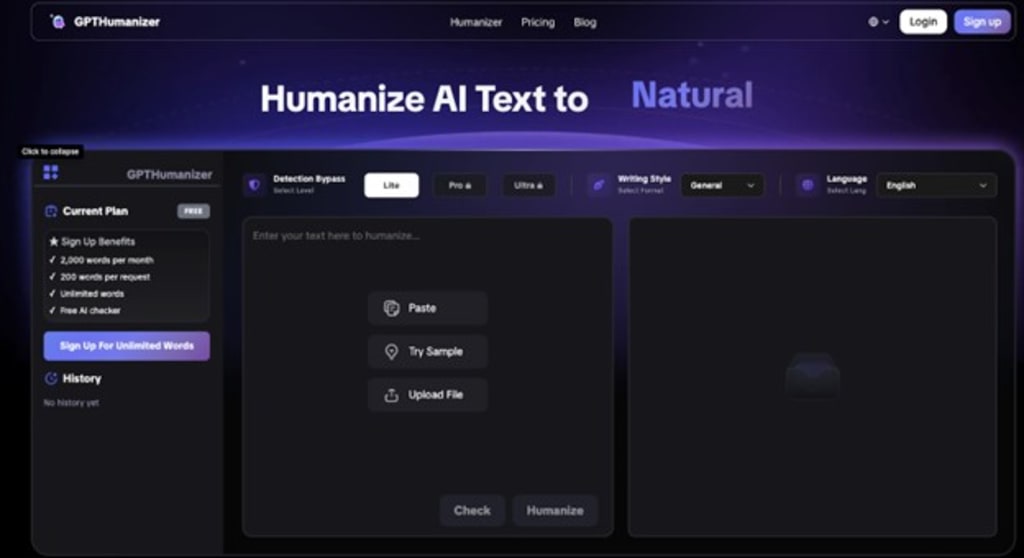
A growing number of platforms now focus on ethical text refinement. One example is GPTHumanizer, a service based in San Francisco. Rather than promising to “bypass” AI detection systems, it offers tools that adjust tone, sentence structure, and word choice to improve readability.
Users can review each suggestion, keep or reject edits, and choose between tones such as conversational or academic. This approach keeps writers in control of their work while helping them produce content that reads more naturally.
Tools like these are not meant to replace human judgment but to support it. They work best when writers use them to improve clarity and flow, not to conceal authorship.
The Role of Editors and Educators
Editors, teachers, and communication specialists are also beginning to play a larger role in guiding responsible AI writing. Many are developing standards to ensure that AI-assisted text still meets traditional benchmarks for originality and coherence. Some universities are already training students to use AI tools as writing aids rather than shortcuts — a shift that treats technology as part of literacy, not a threat to it.
By understanding how AI systems generate text, writers can edit more thoughtfully and preserve the human perspective that gives writing depth. This kind of education is likely to shape how future professionals balance efficiency with authenticity in their work.
Transparency and Reader Trust
As AI use grows, transparency remains essential. Readers deserve to understand when technology contributes to a piece of writing, just as they would want to know when editors or software tools assist in other creative processes.
Responsible writing involves accuracy, honesty, and disclosure when relevant. Acknowledging the role of AI can help normalize its use while maintaining integrity in digital communication.
Looking Ahead
AI writing tools are likely to continue evolving. The next generation of systems may focus less on automation and more on collaboration — providing suggestions, refining tone, and helping writers think more clearly.
Ethical refinement practices ensure this evolution benefits both writers and readers. Instead of asking whether text was written by AI or by a person, the more meaningful question becomes: Was it written responsibly?
By promoting transparency and readability, AI refinement tools represent a practical step toward that goal. They don’t replace creativity — they help shape it into something clearer, more accurate, and easier to understand.
About the Creator
Julia J
I'm Julia, an SEO expert specializing in link building strategies that deliver results. With a proven track record of enhancing online visibility and driving organic traffic, I tailor campaigns to elevate your site's search engine ranking.
How 10 Minutes of Morning Yoga Changed My Energy Levels
When I Realized Something Was Wrong I’m not lazy. I like staying active. But my routine was inconsistent. Some days I would try a long workout, get sore, then quit for a week. Other days, I did nothing at all.
By Theworkouthaven.com5 days ago in Writers
Silver Screen Magic with Mae West
American actress and singer Mae West became a popular film actress during the Great Depression. She started entertaining in vaudeville, then performed on Broadway, and finally went to Hollywood. She signed up with Paramount Pictures and made her debut in the 1932 film “Night After Night.” She also starred in musicals, comedies, and crime dramas. The American Film Institute named her one of the best classic Hollywood actresses.
By Rasma Raisters4 days ago in Geeks




Comments
There are no comments for this story
Be the first to respond and start the conversation.