
The Mysteries and Marvels of the Moon
The moon's mesmerizing appearance, with its silvery glow against the dark backdrop of space, has compelled people to gaze at it in awe and wonder.

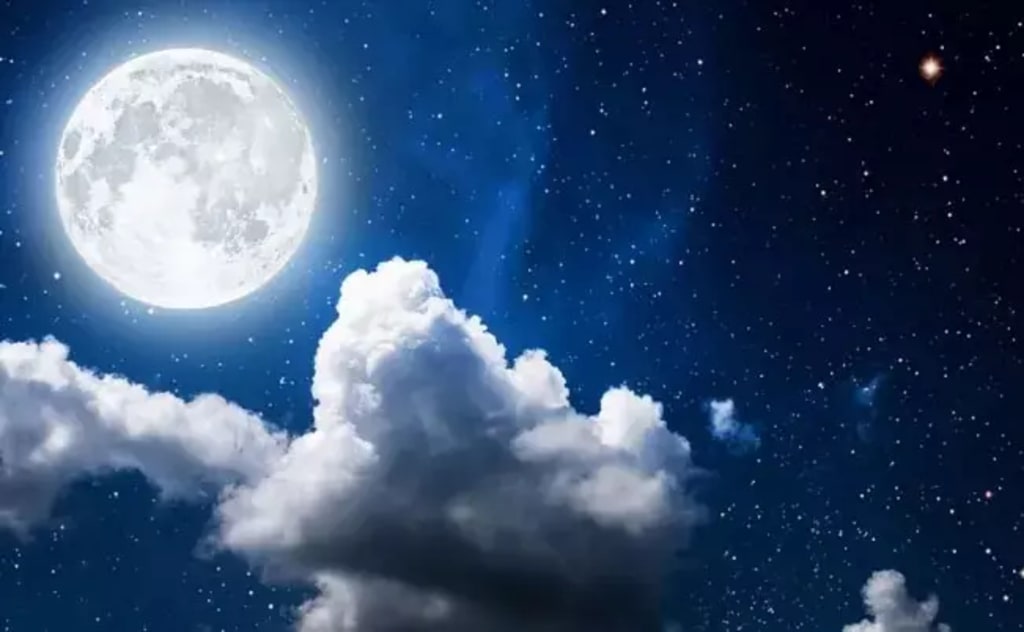
The moon, Earth's constant companion in the cosmos, has intrigued and inspired humanity throughout history. For countless millennia, this celestial body has been a source of fascination, mythology, and scientific exploration. Its presence in the night sky has stirred the human imagination, fueling our curiosity about the universe beyond our home planet.
The moon's mesmerizing appearance, with its silvery glow against the dark backdrop of space, has compelled people to gaze at it in awe and wonder. Its bright, unchanging face has been a source of comfort on countless nights, offering a steady companion amidst the ever-shifting celestial canvas. As the night falls and the stars begin to emerge, the moon takes its place as the most prominent figure in the sky, casting its gentle light on Earth.
The moon has played a central role in the world's mythologies and cultural traditions. Many ancient civilizations revered it as a deity or a symbol of divinity. For example, in ancient Egypt, the moon was associated with the god Thoth, who was considered a patron of wisdom, magic, and the moon's cycles. In other cultures, the moon was linked to fertility, femininity, and the changing seasons. The moon's phases, from the full moon to the new moon and all the stages in between, inspired stories and rituals that connected the lunar cycle with the ebb and flow of life on Earth.
Beyond its cultural significance, the moon has also been a subject of scientific inquiry for centuries. One of the most significant milestones in the exploration of the moon was the Apollo program, led by NASA in the 1960s and 1970s. This ambitious endeavor allowed humans to set foot on the lunar surface for the first time. The iconic words spoken by astronaut Neil Armstrong, "That's one small step for man, one giant leap for mankind," marked a historic moment for humanity. The missions provided invaluable insights into the moon's geology, history, and potential as a stepping stone for further exploration of our solar system. The samples brought back from the moon continue to be studied, revealing the moon's composition and history, shedding light on the early years of our solar system.
The moon's physical characteristics are equally intriguing. It is Earth's only natural satellite, and it is approximately 1/6th the size of our planet. Its surface is pockmarked with craters, evidence of countless impacts over billions of years. The moon has no atmosphere to speak of, which means there is no weather, no wind, and no water. As a result, it remains a desolate and lifeless world. Yet, despite its barren appearance, the moon holds vital clues about the history of our solar system and the origins of the Earth and its neighboring planets.
The moon's gravitational influence on Earth is substantial. It causes tides in our oceans, which, in turn, have ecological and geological consequences. The moon's gravitational pull has also affected the Earth's rotation, slowing it down over eons. This connection between the moon and our planet is a reminder of the intricate interplay of celestial bodies in our solar system. Without the moon's stabilizing effect on Earth's axis, our planet might experience extreme climate fluctuations and unstable seasons, making it challenging for life as we know it to thrive.
Moreover, the moon has long been associated with the concept of time. It has provided humanity with a natural calendar, with its phases marking the passage of days and months. The lunar calendar has been used by various cultures to track planting seasons, religious observances, and other important events. It has served as a universal timekeeper, connecting people across cultures and continents.
In recent years, the moon has regained the spotlight as a target for future exploration and potential human colonization. Space agencies and private enterprises are working on plans to return humans to the lunar surface, establish lunar bases, and harness the moon's resources for further space exploration. These endeavors represent a continuation of our fascination with the moon and our determination to explore the mysteries it still holds.
In conclusion, the moon remains an enigmatic and wondrous celestial body that continues to captivate us. From its influence on Earth's tides to its role in human culture, science, and exploration, the moon's significance in our lives cannot be overstated. It is a testament to the timeless allure of the cosmos and our enduring curiosity about the universe beyond our home planet. The moon, with its mysteries and marvels, continues to beckon us to explore, understand, and appreciate the beauty and complexity of the celestial world that surrounds us.
About the Creator
Beryl
I can't imagine my life without the hobby of writing.
Why More Families Are Choosing DOs for Primary Care | E. Griffin Cipolla
Choosing a primary care provider is one of the most important healthcare decisions a family can make. In recent years, more families are turning to Doctors of Osteopathic Medicine (DOs) for their everyday medical needs for good reason. DOs offer a whole-person approach that blends modern medicine with a strong emphasis on prevention, compassion, and long-term wellness.
By Patrick Mphephu5 days ago in Writers



Comments
There are no comments for this story
Be the first to respond and start the conversation.