
Why More Families Are Choosing DOs for Primary Care | E. Griffin Cipolla
A Whole-Person Approach to Primary Care That Puts Families First

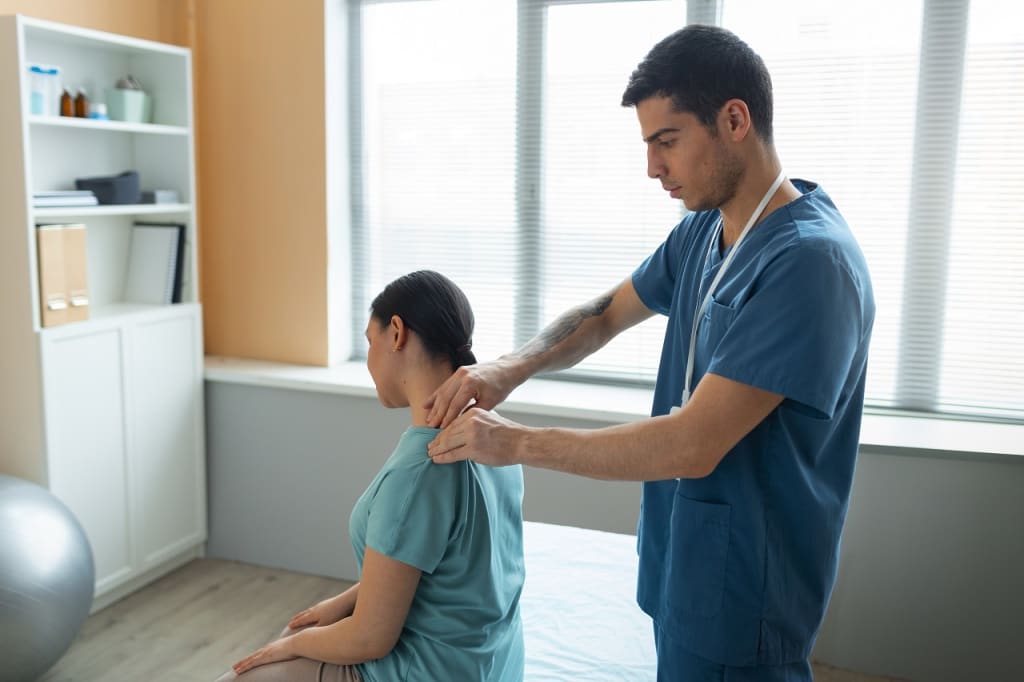
Choosing a primary care provider is one of the most important healthcare decisions a family can make. In recent years, more families are turning to Doctors of Osteopathic Medicine (DOs) for their everyday medical needs for good reason. DOs offer a whole-person approach that blends modern medicine with a strong emphasis on prevention, compassion, and long-term wellness.
This growing preference reflects a shift in how people think about healthcare. Families want providers who listen, explain, and treat them as individuals, not just as symptoms. In this article, we’ll explore why DOs are increasingly trusted for primary care and how this approach benefits patients of all ages.
Understanding What a DO Is
A Doctor of Osteopathic Medicine (DO) is a fully licensed physician, just like an MD. DOs attend medical school, complete residency training, and can prescribe medications, order tests, and perform procedures. The key difference lies in philosophy and training.
DOs are trained to view the body as an interconnected system. Rather than focusing only on isolated symptoms, they consider how lifestyle, environment, structure, and mental health influence overall well-being. This perspective helps DOs identify root causes and develop more personalized care plans.
Many DOs also receive training in osteopathic manipulative treatment (OMT), a hands-on approach used in certain cases to support healing, mobility, and pain relief.
A Whole-Person Approach Families Appreciate
One of the main reasons families choose DOs for primary care is the whole-person focus. This approach aligns well with the needs of children, adults, and seniors alike.
Instead of asking only, “What’s wrong today?” DOs often ask:
How has your health been over time?
What stressors affect your daily life?
How are sleep, diet, and activity impacting you?
This broader view leads to care that feels more thoughtful and complete. For families managing busy schedules, chronic conditions, or preventive care, this approach can make a real difference in long-term outcomes.
Strong Emphasis on Preventive Care
Preventive care is a cornerstone of osteopathic medicine. DOs are trained to help patients stay healthy, not just treat illness after it appears.
This includes:
Regular wellness visits
Early screenings and vaccinations
Lifestyle counseling on nutrition, movement, and stress
Identifying small issues before they become major problems
For families, preventive care means fewer emergency visits, better management of chronic conditions, and a stronger foundation for lifelong health.
Better Communication and Trust
Many patients report that visits with DOs feel less rushed and more conversational. This isn’t accidental it’s part of the osteopathic philosophy. Building trust and strong doctor-patient relationships is seen as essential to effective care.
When families feel heard, they’re more likely to:
Follow treatment plans
Ask questions
Share concerns early
Stay consistent with care
Over time, this trust leads to better health decisions and improved outcomes for the entire family.
Ideal for Family and Community-Based Medicine
DOs are especially well represented in family medicine and primary care settings. Their training emphasizes continuity of care treating patients through different stages of life and understanding family health patterns.
For parents, this means one trusted provider who understands:
Childhood development and vaccinations
Adult preventive care
Chronic disease management
Geriatric concerns as parents age
Practices like those led by E. Griffin Cipolla demonstrate how osteopathic principles fit naturally into family-centered care, creating a welcoming and supportive medical home for patients.
Integrating Modern Medicine with a Human Touch
Another reason families prefer DOs is their balance of science and compassion. DOs use evidence-based medicine, advanced diagnostics, and current clinical guidelines while still prioritizing empathy and connection.
This blend reassures patients that they’re receiving high-quality medical care without losing the human element that often feels missing in large healthcare systems.Families don’t want to choose between expertise and empathy. With osteopathic primary care, they don’t have to.
Personalized Care Plans, Not One-Size-Fits-All
Every family is different. Health goals, cultural values, financial concerns, and personal preferences all play a role in care decisions.
DOs are trained to tailor treatment plans to each patient’s situation. This might mean:
Exploring conservative treatments before aggressive ones
Adjusting care plans based on lifestyle realities
Coordinating care with specialists when needed
Educating patients so they can make informed choices
This flexibility helps families feel respected and involved in their own healthcare journey.
Why This Trend Is Likely to Continue
Healthcare is evolving. Patients are more informed, more involved, and more focused on long-term wellness than ever before. As a result, primary care providers who emphasize prevention, communication, and whole-person care are in high demand.
The osteopathic approach aligns closely with these expectations, which explains why more families are choosing DOs today and why that number is likely to grow.
Providers like E. Griffin Cipolla reflect this shift, offering care that combines medical excellence with integrity, accessibility, and genuine concern for patients’ well-being.
Actionable Takeaways for Families Choosing a Primary Care Provider
If you’re considering a new primary care doctor, keep these tips in mind:
Ask about philosophy of care – Look for providers who focus on prevention and whole-person health.
Value communication – Choose a doctor who listens and explains clearly.
Consider continuity – Family medicine DOs can care for multiple generations.
Look for trust and comfort – Feeling respected matters as much as credentials.
Think long term Primary care is a relationship, not a one-time visit.
Final Thoughts
More families are choosing DOs for primary care because the osteopathic approach aligns with what patients truly want: personalized attention, preventive focus, and compassionate care grounded in medical expertise.
As healthcare continues to change, this model offers a reassuring path forward one where families feel supported, understood, and empowered to live healthier lives with guidance from trusted physicians like E. Griffin Cipolla.
About the Creator
Patrick Mphephu
Patrick Mphephu is a South African journalist and writer passionate about uncovering untold stories. With a keen eye for detail and a commitment to truth, his work highlights the pulse of modern South Africa.
Keep reading
More stories from Patrick Mphephu and writers in Writers and other communities.
How to Succeed as a Freelance Journalist and Writer: Patrick Mphephu
Freelance journalism and writing can be a rewarding career, offering flexibility, independence, and creative freedom. However, succeeding in this field requires dedication, strategy, and skill. Whether you are just starting or looking to improve your career, this guide will help you navigate the path to success.
By Patrick Mphephu11 months ago in Writers
Bigger Screen, Bigger Freedom: Play ARC Raiders on iPad and Download StarDesk Remote
Bigger Screens and Mobile Freedom: How Tablets Are Redefining Gaming and Remote Work Mobile technology has undergone a quiet transformation over the past decade. What once served primarily as a platform for casual browsing and media consumption has evolved into a powerful tool for both entertainment and productivity. Tablets, particularly larger-screen models, now sit at the center of this shift.
By Abbasi Publisher3 days ago in Writers




Comments
There are no comments for this story
Be the first to respond and start the conversation.