
The Moon: Earth’s Celestial Companion and Humanity’s Next Frontier
The Moon in Myth and Legend

Introduction
The Moon has captivated humanity for centuries—shaping cultures, inspiring myths, and driving scientific discovery. Today, it’s not just a distant celestial body but a critical target for space exploration, potential colonization, and even economic ventures.
From NASA’s Artemis program to private missions by SpaceX and China’s lunar ambitions, the Moon is once again at the center of a new space race. But why is the Moon so important, and what does the future hold for Earth’s only natural satellite?
The Moon’s Role in Science and History
1. A Cosmic Time Capsule
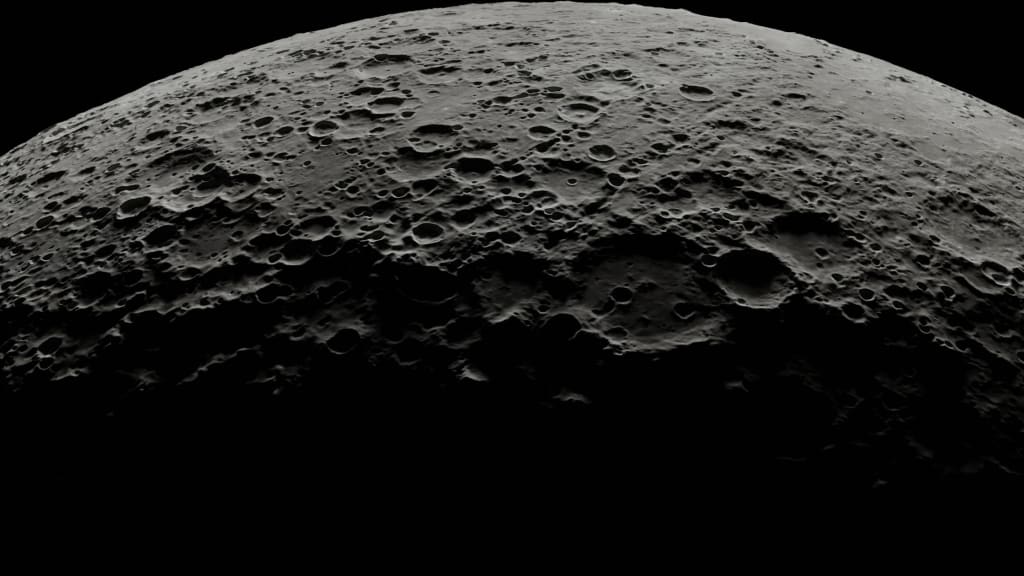
The Moon is about 4.5 billion years old, formed from debris after a Mars-sized object collided with early Earth. Its surface preserves a record of ancient asteroid impacts, helping scientists understand Earth’s own geological past.
2. Cultural & Mythological Significance
Ancient civilizations worshipped lunar deities (e.g., Greek Selene, Egyptian Khonsu). The Moon influences tides, calendars, and even human behavior (ever heard of the "lunar effect"?).
3. The Apollo Legacy
- 1969: Apollo 11 landed the first humans (Neil Armstrong & Buzz Aldrin).
- Only 12 astronauts have walked on the Moon—all between 1969 and 1972.
- Moon rocks brought back revealed water ice in permanently shadowed craters.
Why the Moon Matters Today
1. Gateway to Deep Space
NASA’s Artemis program aims to return humans by 2026, including the first woman and person of color. A lunar space station (Gateway) will serve as a staging point for Mars missions.
2. Lunar Resources & the New Space Economy
Water Ice → Can be split into oxygen (for breathing) and hydrogen (for rocket fuel). Helium-3 → A rare isotope that could power future fusion reactors.
Private Companies like SpaceX, Blue Origin, and Astrobotic are competing for lunar mining contracts.
3. International Space Race 2.0
- China’s Chang’e Missions – Planning a permanent lunar base by the 2030s.
- India’s Chandrayaan-3 – Successfully landed near the Moon’s south pole in 2023.
- Russia’s Luna Program – Despite recent failures, it remains a key player.
Future of Moon Exploration
1. Moon Villages & Habitats
- ESA (European Space Agency) proposes 3D-printed lunar bases using regolith (Moon soil).
- NASA’s Inflatable Habitats could house astronauts for extended stays.
2. Lunar Tourism?
- SpaceX’s Starship could enable private Moon trips by the 2030s.
- Japan’s ispace and others are working on commercial lunar landers.
3. Controversies & Challenges
- Who Owns the Moon? – The Outer Space Treaty (1967) bans national claims, but loopholes exist.
- Space Junk Risk – Increased missions could litter the Moon with debris.
- Ethical Concerns – Should we mine the Moon, or preserve it as a scientific sanctuary?
Conclusion: The Next Giant Leap
The Moon is no longer just a symbol of wonder—it’s a stepping stone for interplanetary civilization. Whether for science, resources, or geopolitical influence, humanity’s return to the Moon will shape the next century of space exploration.




Comments
There are no comments for this story
Be the first to respond and start the conversation.