
The Last Place Without Internet: Life in the Digital Shadows
No screens, no scroll — just stories, silence, and real connection

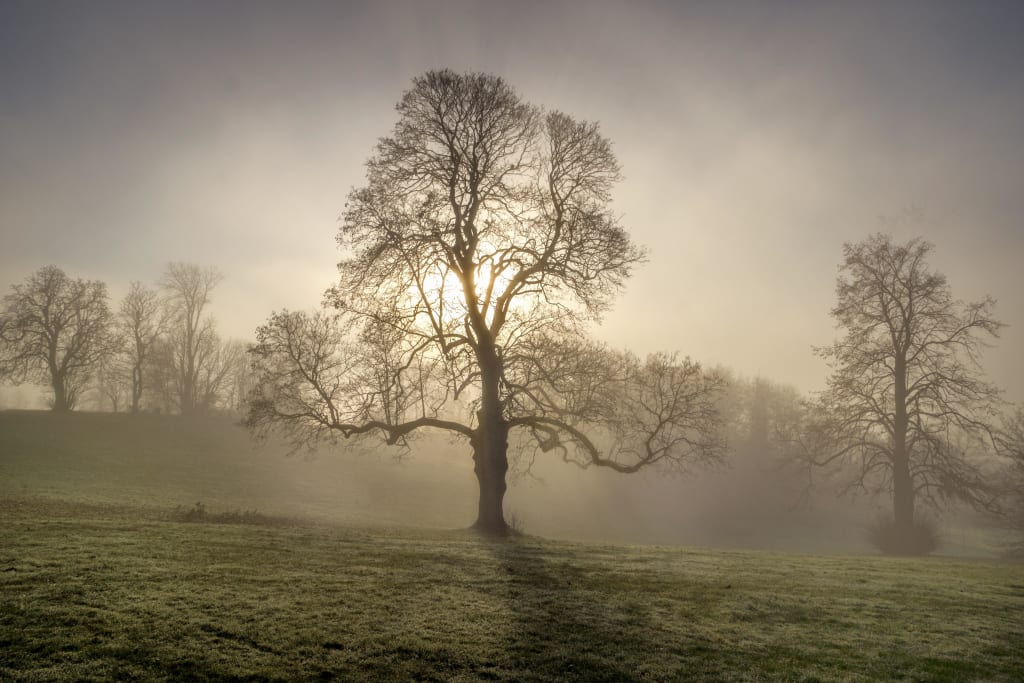
The Last Place Without Internet: Life in the Digital Shadows
In a world where most people check their phones before they even get out of bed, it’s hard to imagine a place without internet — no Google, no Instagram, no Wi-Fi at all. But such places still exist.
One of them is a small village we’ll call Kalulo, hidden deep in the mountains of Southeast Asia. Here, people live completely offline — not because they’ve been forgotten, but because they’ve chosen a different way of life.
No Wi-Fi, No Problem
There is no mobile or internet signal in Kalulo. Electricity is limited, mostly coming from small solar panels that power lights and charge phones. But even those phones are mostly used for taking pictures or telling time — not for texting or scrolling.
Amina, a village school teacher, says, "I've heard of the internet." “But I’ve never used it. If we want to know something, we ask each other or wait for someone to visit.”
Her classroom has no computers — just a chalkboard, a few worn-out books, and a lot of storytelling. The kids learn about the world by talking, listening, and doing things with their hands.
What Life Is Like Without Internet
Every evening, people still meet in Kalulo to share stories and food. Children climb trees, chase chickens, and play outside. There are no notifications, social media, or online pressures to look or live a certain way. It is not always simple. Online education, telemedicine, and quick ways to spread important news are unavailable to them. The village had very little information about what was going on outside during the COVID-19 pandemic. Nevertheless, the community is robust. People take care of one another. Amina asserts, "When something goes wrong, we don't search for answers online." "We speak with our neighbors,"
The Good, the Bad — and the Different
To outsiders, Kalulo might seem “behind.” But many people in the village are cautious about the internet. They've heard that it can bring problems — especially for children.
One elder puts it simply: “We hear it makes people stop talking. that children listen instead of looking at screens. That families grow distant.”
They’re not wrong. Studies show that too much screen time can affect mental health and relationships. Without even realizing it, Kalulo has evolved into a unique example of life free of digital noise.
But Change Is Coming
The outside world is getting closer. There is talk of setting up a cell tower close by, and a new road has been built nearby. Young people are curious. A few individuals have gone to cities, used the internet, and returned with tales and smartphones that barely function in Kalulo. Internet access may be beneficial, according to some villagers, particularly for health and education. Amina aspires to present her students with videos of animals from all over the world rather than just pictures from old books in the future. However, some are concerned. “Will our children stop playing outside?” one parent asks. "Will they stop listening to their grandparents' stories?"
A Village with a Choice
One of the last places on Earth without internet access is Kalulo. However, it's not just about what they don't have; it's also about what they do have. They can wait. They have quiet. They have face-to-face connection. In a world that’s always rushing, Kalulo moves slowly — and that’s something worth thinking about.
As more places go online, maybe we need to ask: What do we gain? What else do we lose? There is no internet in Kalulo. But there’s connection — the kind you can’t plug in or scroll through. And that is something that we may all require a little bit more of.
About the Creator
Keep reading
More stories from Kazi Rafid and writers in Writers and other communities.
The Last Message
In the stillness of the night, when the world is asleep, a single message can change everything. It can ignite hope, trigger confusion, or shatter the hearts of those left behind. One of these messages came to the Carter family four years ago. It would lead them on an incredible journey to learn the truth about their son's enigmatic disappearance..
By Kazi Rafid10 months ago in Writers
The Last Vacation at the Beach
I didn’t know it was going to be my last vacation at the beach. That’s the strange thing about endings—they rarely announce themselves. They arrive disguised as ordinary days, warm and harmless, like sunlight on your face when you step out of the car and breathe in salt without thinking twice.
By Imran Ali Shah3 days ago in Writers




Comments
There are no comments for this story
Be the first to respond and start the conversation.