
The Killer Wasp: A Dangerous Predator, Its Types, and Threats
WASP

The Killer Wasp: A Dangerous Predator, Its Types, and Threats
The killer wasp is one of the most dangerous predatory insects belonging to the hornet family. It is known for its aggressive nature and ability to attack any living creature that comes in its way, whether human, animal, or other insects. There are various types of killer wasps, differing in shape and color, but all share a common trait of being naturally aggressive and lethal. In this article, we will explore the different types of killer wasps, their attack methods, habitats, dangers, and ways to defend against them.

Types of Killer Wasps
Killer wasps come in various types, with some of the most notable including:
Asian Giant Hornet
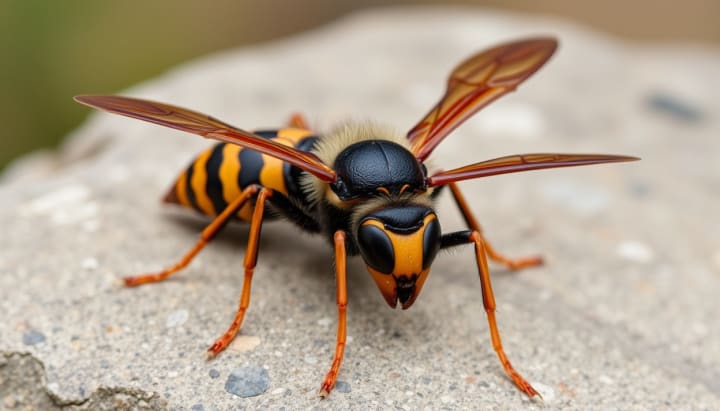
Also known as the "killer hornet" or "giant hornet," it is one of the largest hornet species in the world. It is characterized by its dark orange color with black stripes on its body, and can reach a length of up to 5 centimeters. This species is primarily found in Asia, especially in Japan, Korea, and China.
African Hornet
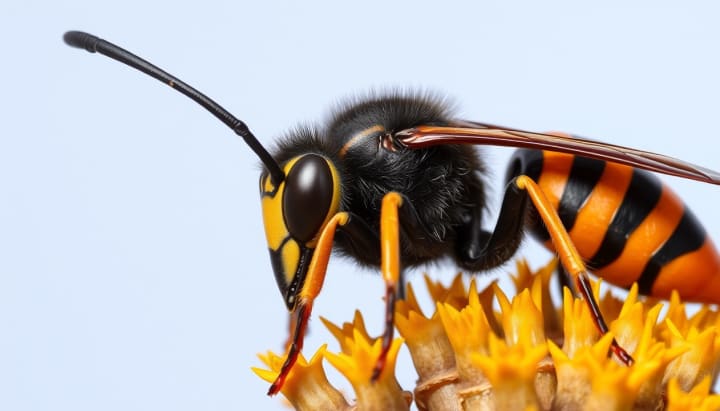
This hornet is found in North Africa and parts of Central Asia. It is distinguished by its dark color and medium size. It is highly aggressive towards animals and humans and poses a significant threat to beehives.
European Hornet

Widespread in Europe, this hornet is recognized by its bright yellow color with some black stripes. While it is considered less aggressive compared to some other species, it still poses a significant danger when it feels threatened.
How the Killer Wasp Attacks

The killer wasp attacks its prey directly and swiftly. It uses its large wings to fly at high speeds and targets the sensitive areas of the victim's body. It has a sharp, serrated sting that injects venom effectively into the prey.
The method of attack varies depending on the type of wasp and the size of the prey. For instance, the Asian Giant Hornet exhibits advanced combat tactics when attacking beehives, launching continuous attacks and killing hundreds of bees within minutes. It aims for soft parts of the body, such as the head or abdomen, to inflict maximum damage.
When attacking humans, the sting of the killer wasp is often excruciatingly painful due to the potent venom, which contains substances that cause severe irritation and may trigger serious allergic reactions in some cases.
Habitats of the Killer Wasp

The killer wasp inhabits diverse environments, ranging from dense forests to rural areas and even urban settings. It prefers to build its nests in sheltered places such as tree cavities, underground burrows, or even within mud walls.
The Asian hornets tend to settle in forests and mountainous regions where food sources like insects and plant sap are abundant. In contrast, European hornets are commonly found in rural areas, where they build their nests on the exteriors of houses or inside barns.
The Dangers of the Killer Wasp

The dangers posed by the killer wasp extend beyond humans and include a broader impact on the environment
Harm to Humans
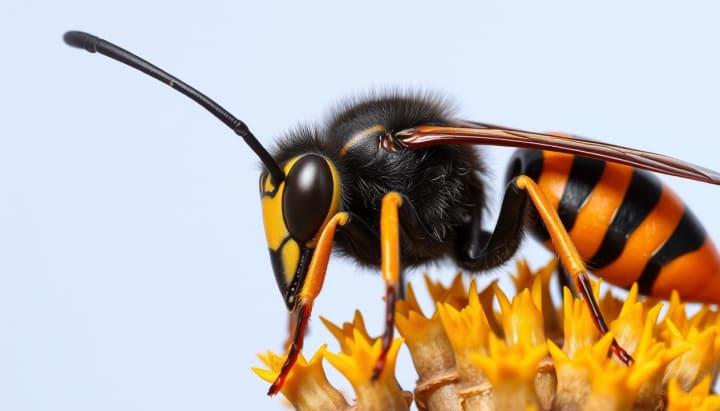
A sting from the killer wasp can cause intense pain and swelling at the sting site. In severe cases, it may lead to anaphylactic shock or allergic reactions that can be fatal if not treated promptly. Sometimes, the sting can cause localized tissue damage, increasing the severity of the injury.
Threat to Animals

The killer wasp poses a significant risk to both domestic and wild animals, as its stings can be lethal, especially with multiple stings.
Impact on Bees
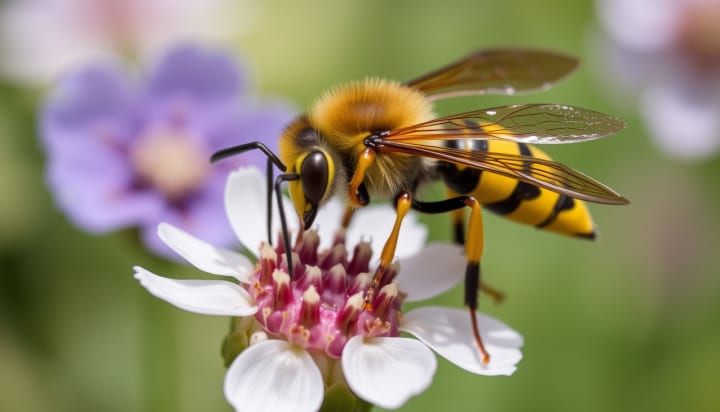
The killer wasp is one of the most dangerous natural enemies of bees, as it can attack hives and decimate entire colonies. This directly affects the declining bee population, which has a negative impact on the environment and ecological balance due to the crucial role bees play in pollinating plants.
Ways to Defend Against the Killer Wasp
There are several strategies to mitigate the risks posed by the killer wasp and protect humans, animals, and bees
Controlling the Surrounding Environment
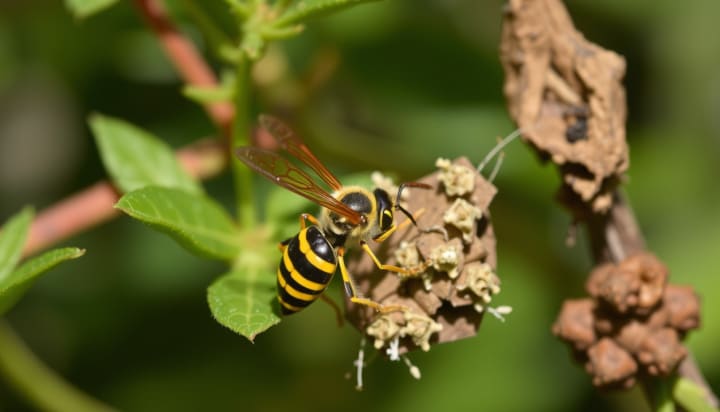
Cleaning up areas around homes and removing any wasp nests can help reduce the presence of wasps. It is also important to seal cracks and openings in walls and roofs to prevent wasps from building nests inside.
Using Traps

There are specialized traps designed to attract and kill wasps. These can be placed in areas where wasps are frequently seen.
Wearing Protective Clothing

In regions where killer wasps are common, wearing protective clothing can help prevent stings.
Education and Training

Raising awareness about the dangers of killer wasps and teaching people how to respond to wasp attacks can help reduce the damage caused by these insects. Knowing how to handle emergency stings, whether with home remedies or by contacting emergency services, is crucial.
Conclusion

The killer wasp is not just an ordinary insect; it is an aggressive creature that demands caution in dealing with it. People need to be aware of its risks and know how to handle encounters, especially in areas where these wasps are prevalent. Efforts to preserve environmental balance and address issues related to killer wasps can play a significant role in maintaining human health and wildlife safety.
About the Creator
Ali Sadeek Ahmed
Engineer-writer,( content creator, and poet )-Blogger-Youtuber
Keep reading
More stories from Ali Sadeek Ahmed and writers in Writers and other communities.
Title: "The Power of Resilience: How to Overcome Failure and Rebuild Your Life"
Title: "The Power of Resilience: How to Overcome Failure and Rebuild Your Life In a world filled with challenges and obstacles, everyone faces moments of failure and weakness. These moments, when the future seems uncertain and our goals feel out of reach, can be discouraging. Yet, within these dark times lies the true secret of success: resilience.
By Ali Sadeek Ahmedabout a year ago in Writers
Early March 2026: 4 Goals Accomplished
It's early March and I've now accomplished my 4th writing goal for the year of 2026. Before diving into the behind-the-scenes of it... why not tell you up front what that accomplishment was? I was published in a 2nd publication for this year. Published in Helix Literary Magazine out of Central Connecticut State University. You can read it for free right now!
By Stephen Kramer Avitabile4 days ago in Writers
What Guest Posting Taught Me About Growing a Website
When I first started working on websites, I believed that publishing good content would automatically bring visitors. It seemed logical — write helpful articles, publish them online, and people will eventually find them.
By Backlinks Cartabout 9 hours ago in Writers
Guard Your Battery
Why are some people so attractive just by standing there? It’s not because they are "likable," but because they don’t need everyone to like them. I realized later that truly charismatic people allow themselves to be criticized, but they never criticize themselves. They never try to please the world; instead, the world stops to watch them.
By Emily Chan - Life and love sharing6 days ago in Poets




Comments (2)
All my greetings to my dear ones who follow my articles , wishing them happy times
My favourite writer ,❤️❤️ let me know info about wasp i never know