
The Internet: Transforming the Fabric of Modern Life
The Internet: Transforming the Fabric of Modern Life

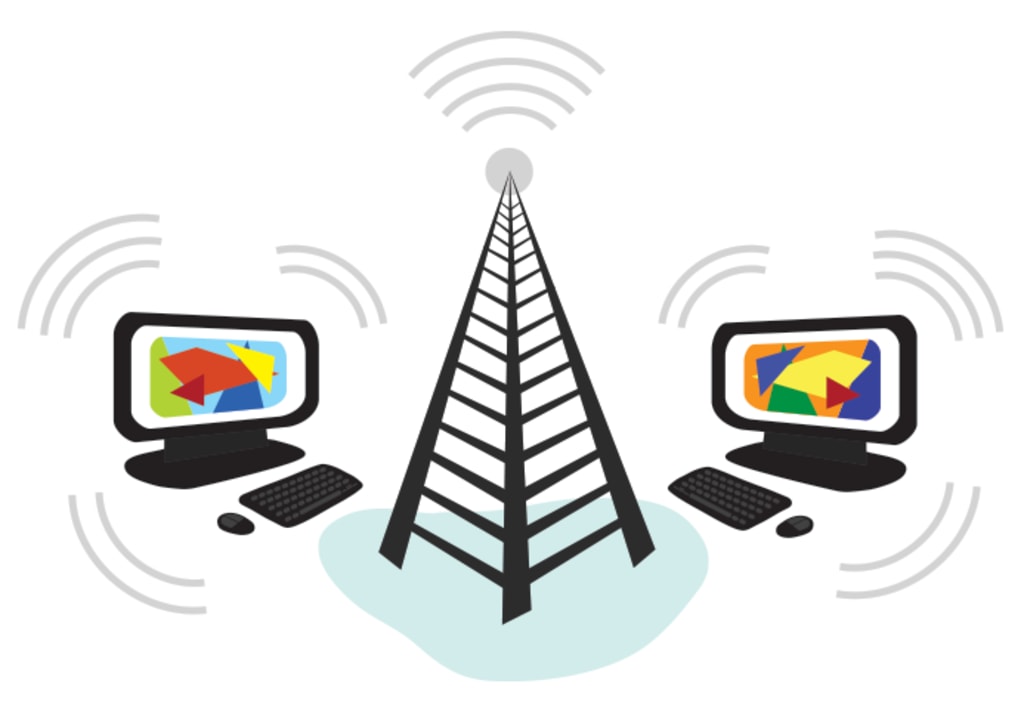
The Internet is a vast, global network of interconnected computers and servers that enables the rapid exchange of information, ideas, and communication. Since its inception, the Internet has fundamentally transformed how we live, work, and interact, becoming an indispensable part of modern society.
Origins and Development
The roots of the Internet can be traced back to the late 1960s with the creation of ARPANET, a project funded by the U.S. Department of Defense to develop a reliable communication system. ARPANET's success in connecting different computer networks laid the groundwork for the development of the Internet. By the 1980s and 1990s, advancements in networking technology and the creation of the World Wide Web by Tim Berners-Lee revolutionized the Internet, making it accessible to the general public.
How the Internet Works
The Internet operates through a combination of technologies and protocols that manage data transmission:
IP Addresses: Every device connected to the Internet has a unique Internet Protocol (IP) address, allowing it to be identified and located by other devices.
TCP/IP Protocols: The Transmission Control Protocol (TCP) and Internet Protocol (IP) work together to break down data into packets, transmit them, and reassemble them at the destination.
Domain Name System (DNS): DNS translates human-friendly domain names (like www.google.com) into IP addresses that computers use to locate each other.
Routers and Switches: These devices direct data packets through the most efficient routes across the network, ensuring reliable communication.
Uses and Services
The Internet hosts a plethora of services that touch almost every aspect of daily life:
World Wide Web: The Web is a vast collection of interconnected documents and multimedia content accessed via web browsers. It is the most visible part of the Internet for most users.
Email: Email allows for instant communication and has become a fundamental tool for personal and professional correspondence.
Social Media: Platforms like Facebook, Twitter, and Instagram facilitate social interactions and the sharing of content.
Streaming Services: Netflix, YouTube, and Spotify provide on-demand access to entertainment media.
E-Commerce: Websites like Amazon and eBay enable online shopping, revolutionizing the retail industry.
Cloud Services: Cloud computing services, such as Google Drive and Dropbox, offer remote storage and collaboration tools.
Online Education: E-learning platforms, including Coursera and Khan Academy, provide educational resources and courses accessible from anywhere.
Impact on Society
The Internet has brought about profound changes in various domains:
Communication: It has eliminated geographical barriers, allowing for real-time communication across the globe.
Information Access: The Internet democratizes access to information, making knowledge available to anyone with an internet connection.
Economy: It has spurred economic growth, creating new industries and transforming existing ones through digitalization.
Social Interaction: Social media has redefined how we form and maintain relationships, and how we engage in public discourse.
Innovation: The Internet fosters innovation by providing a platform for new technologies and business models.
Challenges and Considerations
While the Internet offers numerous benefits, it also presents challenges:
Privacy: The vast amount of personal data shared online raises concerns about privacy and data security.
Digital Divide: Disparities in internet access and quality can exacerbate social and economic inequalities.
Misinformation: The rapid spread of false information can have serious consequences for public opinion and behavior.
Cybersecurity: The Internet is vulnerable to cyberattacks, including hacking, phishing, and ransomware.
The Future of the Internet
As technology continues to evolve, the Internet will likely become even more integral to our lives. Emerging technologies like the Internet of Things (IoT), 5G, and artificial intelligence (AI) will further enhance its capabilities, enabling smarter and more interconnected systems. Ensuring equitable access, security, and ethical use of the Internet will be crucial as we navigate its future.
About the Creator
Hamza Bashir
My Name is Hamza Bashir.i am professional artical writter.I have 5+ years experince.
Thank u...
Keep reading
More stories from Hamza Bashir and writers in Writers and other communities.
TUS NUA - ch 53
TUS NUA – ch 53 New Beginnings – Mia and Midnight (*)(*)(*) Finola knew Ali’s brother-in-law needed to put his mind at rest. She fed her arm through his and led him outside. “We’ll sit here. If you like, I can put a block around us so our conversation will be private.”
By Margaret Brennan7 days ago in Fiction




Comments
There are no comments for this story
Be the first to respond and start the conversation.