
The Importance of Printed Food
Packaging in the Modern Marketplace
Introduction
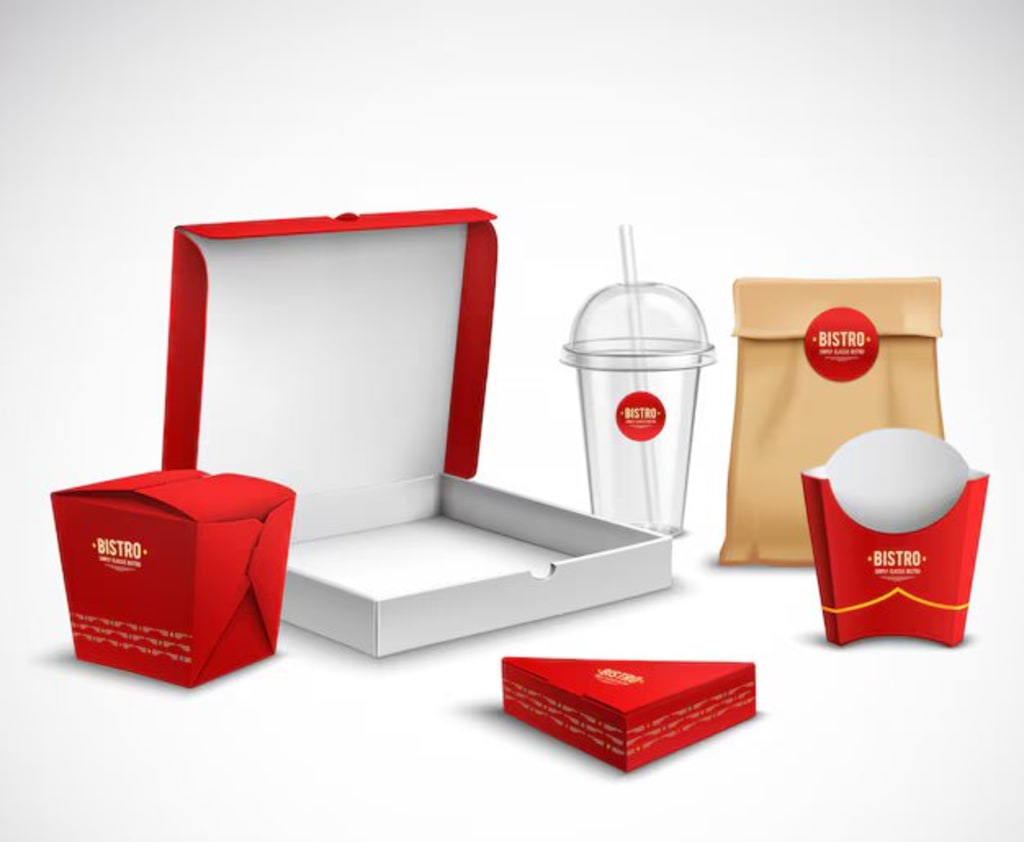
In the fast-paced world of food production and retail, packaging plays a critical role that goes far beyond mere containment. Printed food packaging serves as a vital link between the product and the consumer, offering protection, information, and branding all in one. As consumer preferences evolve and the demand for sustainable practices grows, understanding the significance of printed food packaging is more important than ever. This article explores the various aspects of printed food packaging, including its benefits, design considerations, and current trends.
The Benefits of Printed Food Packaging
Brand Recognition:
Printed food packaging acts as a powerful branding tool. Eye-catching designs, logos, and vibrant colors help create brand recognition. A well-designed package can make a product stand out on the shelf, influencing purchasing decisions and fostering brand loyalty.
Consumer Information
Food packaging serves as an essential platform for communicating vital information. Labels provide nutritional facts, ingredients, preparation instructions, and allergen warnings, helping consumers make informed choices. Clear and accurate information builds trust and enhances the overall consumer experience.
Product Protection
One of the primary functions of food packaging is to protect the product from external factors such as moisture, light, and contamination. Quality printed packaging helps maintain the integrity and freshness of food, reducing spoilage and waste, and ensuring that consumers receive the product in optimal condition.
Sustainability
As environmental concerns gain prominence, many brands are opting for sustainable packaging solutions. Printed food packaging made from recyclable or biodegradable materials not only appeals to eco-conscious consumers but also demonstrates a brand’s commitment to sustainability.
Convenience
Innovative packaging designs enhance convenience for consumers. Features like resealable bags, easy-to-open seals, and portion control help improve user experience, making it easier for consumers to enjoy and store food products.
Design Considerations
Materials:
The choice of materials is crucial in food packaging. Options include plastic, glass, metal, and biodegradable materials. Each option has its benefits and challenges, and the selected material must align with the product’s needs and consumer expectations.
Color and Graphics:
Color and design are key elements that influence consumer behavior. Bright colors can attract attention, while imagery that reflects the product can enhance appeal. Effective graphics communicate quality and evoke emotions, encouraging purchases.
Size and Shape:
The size and shape of packaging should cater to both the product and the target market. Unique shapes can create a memorable brand experience, while appropriately sized packaging minimizes waste and improves storage efficiency.
Regulatory Compliance:
Food packaging must adhere to strict regulations regarding labeling and safety. Ensuring that all required information is clearly displayed helps avoid legal issues and builds consumer trust.
User-Friendly Features:
Packaging should be designed with the consumer in mind. Easy-to-open designs, resealable closures, and clear labeling contribute to a positive user experience, making it more likely that consumers will return for repeat purchases.
Current Trends in Printed Food Packaging
Sustainable Practices:
Sustainability is at the forefront of food packaging trends. Brands are increasingly using eco-friendly materials, such as recycled plastics and plant-based materials, and minimizing packaging waste to appeal to environmentally conscious consumers.
Smart Packaging:
Technology is transforming food packaging. Smart packaging solutions, including QR codes and NFC technology, allow consumers to access product information, promotional content, and tracking details, enhancing engagement and transparency.
Minimalist Design:
Many brands are embracing minimalist packaging designs that focus on simplicity and clarity. This trend not only reduces material usage but also aligns with consumer preferences for clean, straightforward branding.
Personalization:
Customization is becoming a key trend, with brands offering personalized packaging options that cater to individual consumer preferences. This enhances the customer experience and fosters emotional connections with the brand.
Health and Wellness Focus:
With the rising consumer interest in health and wellness, many food brands are emphasizing their products' health benefits through their packaging. Clear labeling of nutritional information and ingredient sourcing can attract health-conscious consumers.
Conclusion
Printed food packaging is an integral component of the food industry, serving multiple functions that contribute to the success of food products. By prioritizing thoughtful design, sustainability, and consumer engagement, brands can create packaging that protects products, communicates essential information, and reinforces brand identity. As consumer preferences continue to evolve, staying attuned to trends and investing in quality printed food packaging will be essential for brands looking to thrive in a competitive marketplace. Ultimately, effective packaging can lead to increased customer satisfaction, loyalty, and long-term business success.
About the Creator
Keep reading
More stories from writers in Writers and other communities.
15 Creative Marketing Ideas That Still Work in 2026
Marketing trends change every year, but effective marketing principles rarely disappear. As we move deeper into 2026, audiences are more informed, more selective, and more resistant to empty advertising than ever before. This doesn’t mean marketing is harder — it simply means it needs to be more thoughtful, creative, and human.
By Jhones Benn3 days ago in Writers
Autonomy Is The Real Privilege
Good morning, freedom-seekers! Today we’re gonna be looking at autonomy. A strange word, I know; one many would probably look at blankly and run away from on sight. We’re gonna figure out what it actually means, consider how it’s achieved, and decipher just how deeply most of us are tangled up in dependence without realising it.
By That ‘Freedom’ Guy4 days ago in Humans




Comments
There are no comments for this story
Be the first to respond and start the conversation.