
The Immune System's Guardians: Trio Wins 2025 Nobel Prize in Medicine
Their discovery of the body's built-in security system opens new paths for treating autoimmune diseases and cancer.

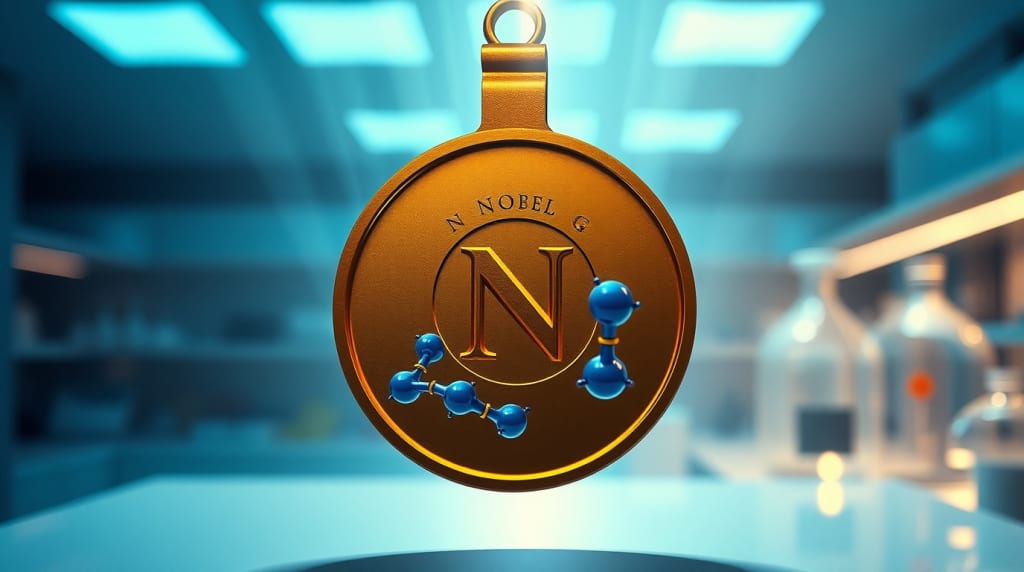
The Nobel Assembly at the Karolinska Institute in Sweden has awarded the 2025 Nobel Prize in Physiology or Medicine to three scientists for their groundbreaking work in understanding the immune system. Mary E. Brunkow, Fred Ramsdell, and Shimon Sakaguchi were honored for "their discoveries concerning peripheral immune tolerance" .
This crucial mechanism prevents our powerful immune system from turning against the body's own tissues, a breakdown that leads to autoimmune diseases. The laureates identified and characterized "regulatory T cells," which act as the immune system's security guards . Their work has not only reshaped modern immunology but also paved the way for revolutionary new treatments for a range of medical conditions.
The Laureates and Their Breakthrough
The following table introduces the three Nobel laureates and summarizes their key contributions to this collective discovery :
| Shimon Sakaguchi |

Osaka University, Japan , Provided the foundational discovery in 1995 by identifying a specific class of cells, regulatory T cells, that prevent autoimmune attacks . |
| Mary E. Brunkow |

Institute for Systems Biology, USA , Co-discovered the Foxp3 gene in 2001, linking its mutations to severe autoimmune disorders and establishing its role in controlling regulatory T cells . |
| Fred Ramsdell |
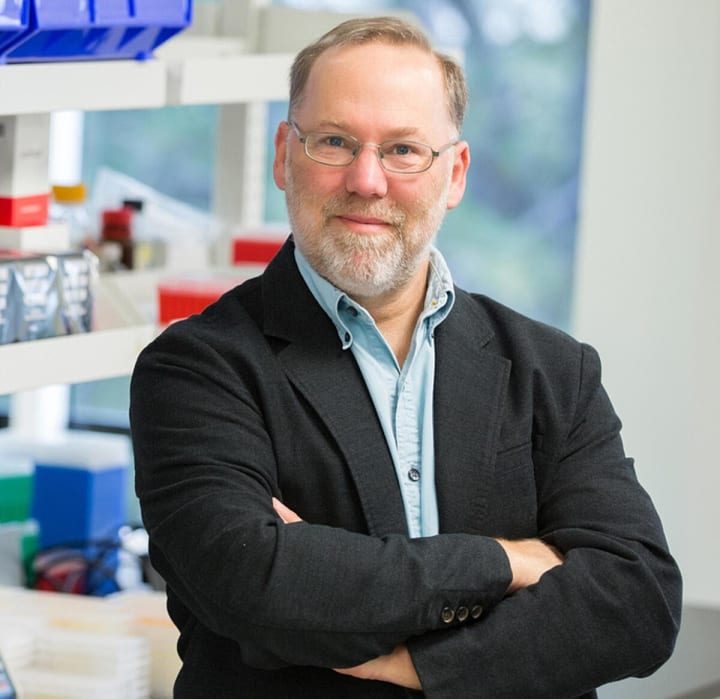
Sonoma Biotherapeutics, USA , Co-discovered the Foxp3 gene, revealing how this "master regulator" governs the development and function of the regulatory T cells identified by Sakaguchi . |
A Delicate Balance: How the Body Tames Its Own Defenses
For the body to stay healthy, the immune system must perform a delicate balancing act. It needs to be aggressive enough to fight off viruses, bacteria, and other pathogens, but it must also be able to recognize the body's own cells to avoid attacking them. The concept of "immune tolerance" is the principle that prevents this self-attack .
Before the work of this year's laureates, scientists understood that the body eliminated many self-reacting immune cells in the thymus, an process known as "central tolerance" . However, it was clear that this alone could not explain the full picture of self-tolerance.
Shimon Sakaguchi's research was pivotal in filling this gap. His work in the 1990s demonstrated that a separate, active mechanism exists outside the thymus to keep the immune system in check. He identified a specific type of white blood cell, the regulatory T cell (often called a "T-reg"), that functions as a peacekeeper, monitoring other immune cells and suppressing those that might target the body's own organs .
The Genetic Key: Unlocking the Mystery of Autoimmunity
The discovery of regulatory T cells opened a new field of research, but a critical question remained: what controls these cells? The answer came through the collaborative work of Brunkow and Ramsdell. In 2001, they uncovered the role of a gene called Foxp3 .
Their research showed that the Foxp3 gene is the master switch responsible for the proper development and function of regulatory T cells. Mutations in this gene lead to a catastrophic failure of immune control, resulting in severe autoimmune conditions in both mice and humans, such as IPEX syndrome . Sakaguchi later integrated these findings, confirming that Foxp3 is the key regulator operating within the very cells he had discovered .
This connection provided the definitive molecular evidence that solidified the importance of regulatory T cells in maintaining health.
A Foundation for the Medicine of Tomorrow
The discoveries of Brunkow, Ramsdell, and Sakaguchi have provided a new framework for understanding, treating, and potentially curing a wide array of diseases. By understanding how the immune system is naturally suppressed, scientists can now develop strategies to manipulate this system for therapeutic benefit .
In autoimmune diseases like multiple sclerosis, type 1 diabetes, and rheumatoid arthritis, the goal is to boost the function of regulatory T cells to calm the inappropriate immune attack on the body . Conversely, in cancer, tumors can sometimes exploit these same mechanisms to hide from the immune system. New immunotherapies aim to temporarily dampen regulatory T cell activity in the tumor environment, thereby "releasing the brakes" on the immune system and allowing it to fight the cancer more effectively .
According to the Nobel Assembly, these discoveries have "laid the foundation for a new field of research" and "spurred the development of new treatments," several of which are already being evaluated in clinical trials . The work of these three scientists stands as a testament to how unraveling a fundamental biological mystery can open the door to healing millions.
About the Creator
Ashley Scott
Ashley Scott here! 🌿 I share tips, DIY projects, and inspiration for creating beautiful gardens. From beginner guides to expert advice on growing vegetables, herbs, and flowers, you'll find everything to make your garden thrive.
Keep reading
More stories from Ashley Scott and writers in Writers and other communities.
Columbus Day: A American Holiday's Complicated Legacy
Every second Monday of October, a holiday arrives on the US calendar that prompts parades in some cities, closures of federal offices, and deep reflection on the nation's history. Columbus Day is a unique American institution, one that has evolved from a patriotic celebration into a subject of intense national conversation .
By Ashley Scott4 months ago in Writers
The Comeback Generation: Why Starting Over After 30, 40, or 50 Is Becoming the New Path to Success
For decades, society told a simple story about success: figure out your life early, build your career fast, and lock in your future before you get “too old.” The message was subtle but powerful — if you didn’t make it in your twenties, you were somehow behind. Today, that story is breaking apart. Across the world, people in their thirties, forties, and fifties are walking away from careers, routines, and identities that no longer fit. They are starting businesses, learning new skills, moving to new cities, and chasing dreams they once believed were no longer allowed. This shift is being driven by more than just dissatisfaction. It’s being driven by clarity. With age often comes a deeper understanding of what truly matters. Many people spend their younger years chasing external approval — money, titles, or social status. But after years of experience, they begin to ask different questions. Do I enjoy my daily life? Does my work reflect my values? Am I proud of how I spend my time? For some, the answers lead to a powerful realization: staying the same feels riskier than starting over. Technology has made this kind of reinvention more possible than ever. Online courses allow people to learn new careers from their living rooms. Remote work opens doors to opportunities that were once limited by geography. Social platforms give individuals the ability to build personal brands, launch creative projects, or start businesses without massive upfront costs. What once required permission from companies, investors, or institutions can now begin with a laptop and an internet connection. But the comeback generation isn’t just about opportunity. It’s about mindset. One of the biggest barriers to starting over is fear — fear of failure, judgment, and wasted time. Many people worry that changing direction means admitting they made a mistake. But a growing number of voices are reframing that idea. They see their past not as a failure, but as training. Every job, relationship, and challenge becomes part of a skillset. Communication, resilience, problem-solving, and emotional intelligence don’t disappear when someone switches careers or goals. They carry forward, often making older beginners stronger than younger ones. There is also a quiet confidence that comes with experience. Younger people often feel pressure to prove themselves. Older beginners tend to care less about appearances and more about meaning. This shift in focus can lead to deeper commitment and greater satisfaction. Of course, starting over is not easy. It can involve financial uncertainty, uncomfortable learning curves, and moments of self-doubt. Watching younger people succeed in the same space can trigger insecurity. The question “Am I too late?” can echo loudly in the mind. But many in the comeback generation are discovering a powerful truth: there is no universal timeline for a meaningful life. Some of the most successful entrepreneurs, artists, and leaders didn’t find their true path until later years. What they often share is not youthful speed, but persistence. They kept moving forward, even when progress was slow and the outcome uncertain. There is also a cultural shift happening. Communities are becoming more supportive of non-linear life paths. Changing careers, taking breaks, and exploring new identities are becoming more accepted. The idea of having “one job for life” is being replaced by the idea of having many chapters. In this new story, life is not a straight road — it’s a landscape. Sometimes you climb. Sometimes you wander. Sometimes you stop and choose a completely new direction. And that choice, made at any age, can be an act of courage. The comeback generation isn’t trying to turn back time. They are using it — using what they’ve learned, what they’ve survived, and what they now understand about themselves. Because success is no longer being defined by how early you start. It’s being defined by how boldly you choose to continue.
By Hazrat Usman Usman15 minutes ago in Writers




Comments
There are no comments for this story
Be the first to respond and start the conversation.