
Columbus Day: A American Holiday's Complicated Legacy
From Discovery and Heritage to Reckoning and Reflection

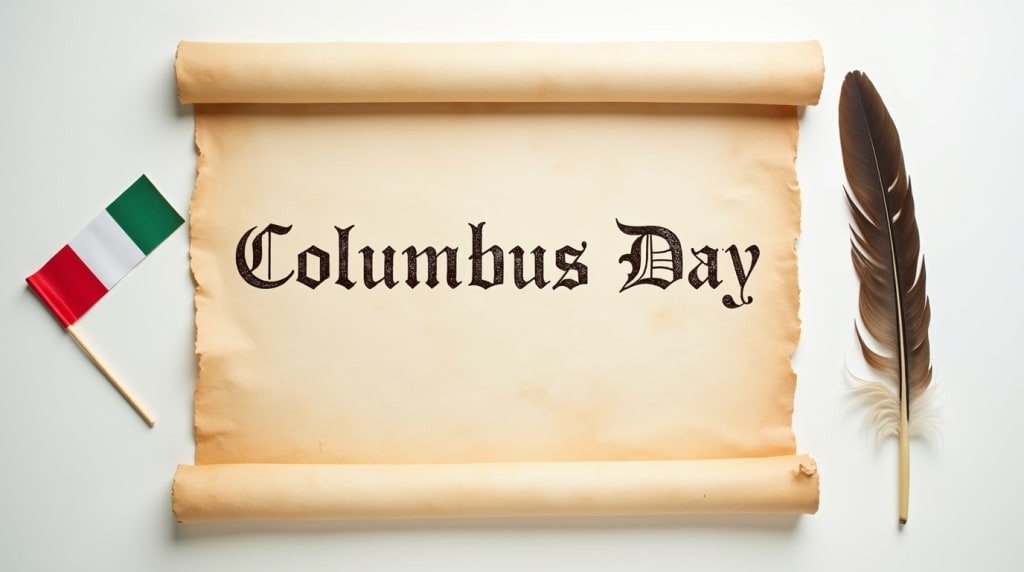
Every second Monday of October, a holiday arrives on the US calendar that prompts parades in some cities, closures of federal offices, and deep reflection on the nation's history. Columbus Day is a unique American institution, one that has evolved from a patriotic celebration into a subject of intense national conversation .
To understand the full story, we need to look at the history, the modern-day controversies, and the alternatives that have emerged.
How Columbus Day Became a Holiday
The celebration of Christopher Columbus in the United States dates back much further than many realize. The first recorded celebration was in 1792, when New York's Columbian Order (better known as Tammany Hall) marked the 300th anniversary of his landing . In the young nation, Columbus was seen not as an Italian or Spanish figure, but as a quintessentially American hero—a bold adventurer who represented the spirit of a new beginning .
However, the push for a national holiday gained momentum in the 19th century, largely driven by Italian-American communities. For them, celebrating the Italian-born explorer was a way to affirm their place in American society and combat rampant discrimination and anti-immigrant sentiment . This effort took on new urgency in 1891 following the mass lynching of 11 Italian Americans in New Orleans. In response, President Benjamin Harrison proclaimed a one-time national holiday in 1892 for the 400th anniversary to appease the Italian government and acknowledge Italian-Americans .
Through persistent lobbying by groups like the Knights of Columbus, Columbus Day became a federal holiday by presidential proclamation in 1937, and was moved to the second Monday in October in 1971 .
The Shift: Controversy and the Rise of Indigenous Peoples' Day
For much of its history, Columbus Day was a celebration of discovery and Italian-American heritage. However, in recent decades, the narrative has been challenged. A growing movement has brought to the forefront the darker consequences of Columbus's voyages: the enslavement and brutal treatment of indigenous peoples, the introduction of devastating diseases, and the beginning of the transatlantic slave trade .
This reckoning with history has led many states and cities to stop observing Columbus Day and instead celebrate **Indigenous Peoples' Day** . This alternative holiday honors the rich history, cultures, and resilience of Native American peoples and acknowledges the immense impact of European colonization.
How is Columbus Day Observed Today?
Despite the controversy, Columbus Day remains a day of significance for many, marked in different ways:
- Parades and Festivals: Cities with strong Italian-American communities, like New York and San Francisco, host large parades and street fairs featuring Italian food, music, and culture . In Providence, Rhode Island, the Federal Hill neighborhood hosts a massive multi-day Columbus Weekend Festival with food, live music, and a parade .
- Closures: As a federal holiday, non-essential federal government offices are closed, along with many banks and the U.S. Postal Service .
- Educational Events and Reflection: In places that observe Indigenous Peoples' Day, the focus shifts to pow-wows, traditional dance, and educational events about Native American culture and history . For many Americans, the day is an opportunity to learn about and reflect on the complex, often painful, origins of the United States.
A Day of Evolving Meaning
Columbus Day is no longer a simple celebration. It exists at a crossroads of American identity—a day that for some remains a proud marker of heritage and for others represents a painful history that demands recognition. The debate over the holiday reflects a broader national conversation about who we honor, how we remember our history, and how a diverse nation reckons with all parts of its past.
Whether one observes Columbus Day, Indigenous Peoples' Day, or simply uses the day for rest, it has become, undeniably, a day for reflection on the complex and ongoing story of America.
About the Creator
Ashley Scott
Ashley Scott here! 🌿 I share tips, DIY projects, and inspiration for creating beautiful gardens. From beginner guides to expert advice on growing vegetables, herbs, and flowers, you'll find everything to make your garden thrive.
Keep reading
More stories from Ashley Scott and writers in Writers and other communities.
The Pride of the NFC North Takes on the Struggling Bengals: Your Guide to Watching the Lions Game Today
The Detroit Lions are roaring, and football fans everywhere are scrambling to catch their Week 5 matchup against the Cincinnati Bengals. With a hot start to the season, Detroit's games are now must-watch television. If you're wondering what channel is the Lions game on today or where to watch bengals vs detroit lions, we’ve got you covered with the essential breakdown of this interconference clash.
By Ashley Scott5 months ago in Writers




Comments
There are no comments for this story
Be the first to respond and start the conversation.