
The Great Emu War: Australia's Flightless Foes
In the Australian outback, a strange battle happened between humans and emus. This event, known as the "Great Emu War," showed how tough these birds are. It also showed the Australian military's failed try to control their numbers. The "Great Emu War" started with efforts to kill emus in Western Australia. These birds were seen as a threat to farmers and their crops. The government's actions led to the military getting involved in a battle that didn't go as planned.
The Great Emu War: Australia's Flightless Foes
In the Australian outback, a strange battle happened between humans and emus. This event, known as the "Great Emu War," showed how tough these birds are. It also showed the Australian military's failed try to control their numbers.
The "Great Emu War" started with efforts to kill emus in Western Australia. These birds were seen as a threat to farmers and their crops. The government's actions led to the military getting involved in a battle that didn't go as planned.
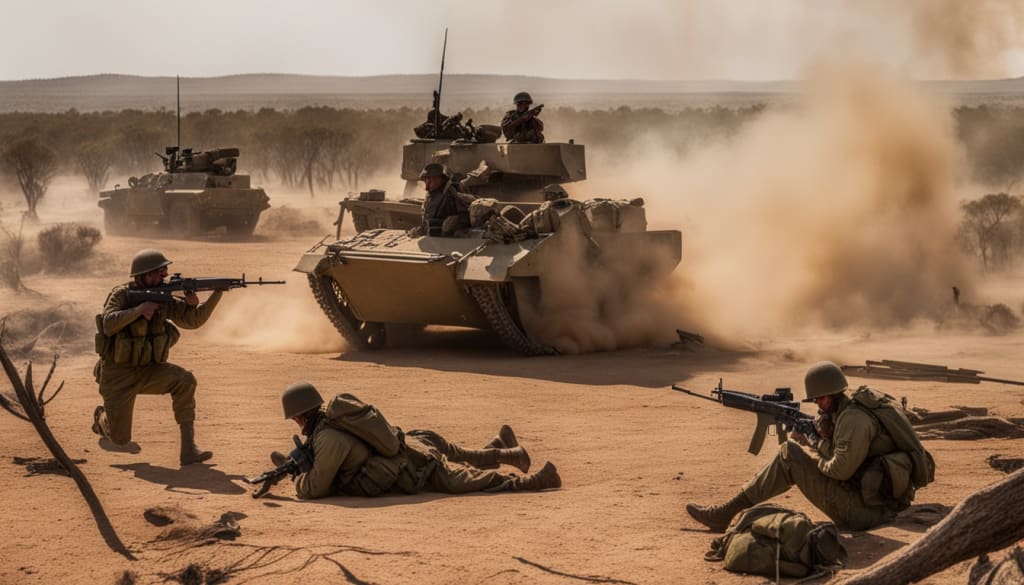
The military used the Lewis gun to fight the emus. But the birds were hard to beat because they could take a lot of damage and move away quickly. This made the military and the government very frustrated and embarrassed.
Sir George Pearce, the Defence Minister, pushed for the military action. But the emus kept fighting back, showing how hard it is to manage human and wildlife conflicts.
The "Great Emu War" teaches us an important lesson. We need to find better ways to live with wildlife. This story shows the strength of the emu and the limits of using force against nature.
Key Takeaways
The "Great Emu War" was a bizarre conflict between the Australian military and the country's native emus in 1932.
The conflict was sparked by the government's efforts to cull the growing emu population, which was seen as a threat to local farmers.
The deployment of the military, armed with the powerful Lewis gun, was ultimately ineffective against the emus' resilience and evasive tactics.
The "Great Emu War" exposed the limitations of using military force to address environmental and wildlife-related challenges.
The conflict has endured as a testament to the remarkable adaptability and persistence of the emu, as well as the need for a more nuanced approach to human-wildlife interactions.
The Great Emu War: Australia's Failed Battle Against Its Flightless Foes
In the early 1930s, Australia faced a big problem. The emu population, a flightless bird, was growing fast. These birds were eating crops and hurting the farmers' work. The government decided to use the military to kill the emus and help the farmers.
The "Great Emu War" started in 1932 in Western Australia. Soldiers with Lewis guns were sent to reduce the emu numbers. But, the emus were harder to defeat than expected.
The emus were very tough and hard to hit. They moved unpredictably and could take a lot of gunfire. The soldiers tried hard but couldn't stop the emus. In the end, the emus won this strange war.
The Great Emu War shows how hard it can be to control nature. It teaches us that even the best technology can fail against nature's strength. We still learn from this battle today when dealing with wildlife and conservation.
Emu Culling: The Catalyst for Conflict
In Western Australia, emus were causing big problems for farmers by damaging crops. This led the government to start a culling program to control the emu population. Farmers were upset because the emus were hurting their work and income.
Pest Control Measures Gone Awry
The government tried to stop the emus by using military people with Lewis guns. But, this didn't work well. The emus were hard to hit and kept coming back.
The Rise of Emu Populations
Favorable environmental conditions in Western Australia led to a rapid increase in emu populations.
The emus' adaptability and lack of natural predators contributed to their unchecked growth.
Farmers struggled to keep up with the growing numbers, leading to escalating conflicts and demands for government intervention.
The situation with crop damage, more emus, and failed control efforts led to the "Emu War". This event became a big part of Australia's history.
"The emus were like a living, breathing metaphor for the Australian national character - tough, resilient, and determined to survive against all odds."
Military Deployment: A Feathery Foe
In 1932, Western Australia faced an "invasion" by emus. The government decided to use the military to stop them. This was a big step, showing how serious the situation was.
The military used the Lewis gun against the emus. This gun was made for fighting in battles. But the emus were too fast and smart for it. They dodged the bullets easily.
Military Deployment Lewis Gun Effectiveness
Australian government deployed the military to combat the growing emu "invasion" in Western Australia in 1932 The Lewis gun, a lightweight machine gun, was chosen as the weapon to be used against the emus, but it proved to be ineffective against the birds' speed and agility
The 1932 emu conflict showed how hard it can be to fight against unexpected enemies. The emus won against the military, proving that wildlife can surprise us.
The military and the Lewis gun couldn't stop the emus. This story teaches us to think carefully before trying to control wildlife.
Western Australia: Battleground for the Emu Conflict
The "Great Emu War" of 1932 happened in western australia, a vast and tough region. The harsh outback environment was a big challenge for farmers. This tough place was the scene for a unique battle against Australia's famous flightless birds.
The Harsh Outback Environment
Western Australia's outback is known for its tough climate and little plants. It has extreme heat and cold, with little rain. This made life hard for farmers, who fought to make a living in such a tough place.
Farmers' Plight and Frustrations
Farmers in western australia faced a lot of challenges. They worked hard to survive on the tough land. But, emus were making things worse by eating their crops and breaking fences. This led the farmers to take bold steps to protect their farms.
Challenges Faced by Farmers in Western Australia Impact on Farming Operations
Extreme Temperatures Damage to crops and livestock, increased water demand
Erratic Rainfall Drought-induced crop failures, limited water resources
Emu Raids on Crops and Fences Significant financial losses, disruption to farming activities
The western australia region's tough harsh outback environment and the farmers' struggles with emus led to the "Great Emu War". This odd military action showed how resilient and adaptable these Australian birds are.
The Lewis Gun: A Formidable Weapon Ineffective Against Emus
In 1932, the Australian military chose the Lewis gun for fighting emus in Western Australia. This choice was a big mistake. The Lewis gun was known for being powerful, but it couldn't beat the tough emus.
The Lewis gun was a light machine gun from World War I. It was reliable and could fire a lot of rounds quickly. The Australian Army thought it would be great against the emus that were hurting local farms.
Weapon Rate of Fire Effective Range Accuracy
Lewis Gun 500-600 rounds per minute 800 meters Moderate
Emu N/A Unreliable Highly Elusive
The lewis gun didn't work well against the emus. The emus moved unpredictably and had thick feathers that protected them. They could take a lot of shots before getting hit. This made it hard for the soldiers to hit them.
"The emus had the ability to take a surprising amount of hit... Making a clear, accurate shot was extremely difficult."
The lewis gun couldn't stop the 1932 emu conflict in Western Australia. This led to a big defeat for the military, known as the "Great Emu War."
Sir George Pearce: The Man Behind the Emu War
Sir George Pearce, the Australian Minister for Defence, was at the center of the Emu War. He made the call to send the military against the emus. This move was due to political pressures and misfired policies. These factors led to the army's failed attempt to control the emus.
Political Pressures and Misfired Policies
Sir George Pearce was under a lot of pressure as Defence Minister. Farmers were upset about the emus damaging their crops. They pushed for action, and Pearce thought sending the military would solve the problem quickly.
But, Pearce's choice was based on misfired policies and wrong ideas. The military wasn't ready for emus, and the land was tough. The emus were hard to catch, making the mission fail.
"The emu, the only bird that can whip a man in a fair fight, is too formidable a foe to be caught by such cowardly means."
The Emu War taught us a lesson. It showed the risks of making decisions under pressure and without enough knowledge. Sir George Pearce's actions remind us to think carefully before dealing with wildlife issues. We need to value science and understand the complex nature of these conflicts.
The Emu's Resilience: A Force to Be Reckoned With
The emu, a flightless bird from Australia, showed its strength in the 1932 emu conflict. Despite the military's efforts to reduce their numbers, the emus' toughness and flexibility stopped them. They couldn't control the emus.
One reason for the emus' win was their toughness. They could handle the tough outback better than the soldiers. They saved water and ate plants, insects, and small reptiles, beating the military's plans to catch them.
Emu Characteristics Adaptations
Flightless Powerful legs and strong musculature for running at high speeds
Large size Thick feathers and subcutaneous fat to withstand extreme temperatures
Omnivorous diet Ability to conserve water and thrive on a diverse range of food sources
The emus' fast movement and group behavior were hard for soldiers. They would spread out and come back together, making it hard for the military to attack. They moved over tough land and talked to each other to avoid being caught.
The emu's resilience in the 1932 conflict showed us the value of knowing and respecting wildlife's natural ways. The emu war taught us about the limits of human control and nature's strength against our efforts.
"The emus had proved they were the masters of the situation. They were able to adapt rapidly to the new conditions imposed upon them, and their mobility and fleetness of foot enabled them to avoid the military with ease."
Human-Wildlife Conflict: Lessons from the Emu War
The "Great Emu War" of 1932 is a key example of human and wildlife interactions. This conflict, where the Australian military tried to control emus, shows us the challenges of managing human and wildlife issues.
One main lesson from the Emu War is the need for a smarter way to handle these conflicts. The military's use of force failed against the emus. This shows how important it is to know about wildlife's behavior and their role in nature before trying to control them.
Lessons from the Emu War Implications for Human-Wildlife Conflict
Military force is often ineffective against wildlife Requires a more holistic, ecological approach
Wildlife can be highly adaptable and resilient Need to understand and respect the role of wildlife in ecosystems
Conflict often arises from human encroachment on wildlife habitats Emphasizes the importance of sustainable land-use practices
The Emu War shows us the need for a balanced way to deal with human and wildlife issues. It tells us that wildlife is important for healthy ecosystems. As humans move into nature more, these conflicts will likely grow. So, we need to find lasting solutions.
"The Emu War stands as a cautionary tale, reminding us that wildlife cannot be simply 'defeated' through brute force. Instead, we must seek to coexist with our feathered and furred neighbors, learning to share the land in a sustainable and mutually beneficial way."
By learning from the Emu War, we can work towards a better relationship with wildlife. This means focusing on conservation, being adaptable, and respecting each other. This approach is key to solving human-wildlife conflict in the 21st century and beyond.
The Aftermath: Emus Emerge Victorious
Despite the military's best efforts, the emus won the "Great Emu War." These birds showed great resilience and adaptability. They were not easily defeated by the Australian forces.
The emus, not scared by the gunfire, regrouped and kept moving across the tough Australian outback. They left the soldiers feeling frustrated behind them.
Lasting Impact on Australian History
The "Great Emu War" is a quirky part of Australian history. It shows the strength of nature and the limits of human power. This odd battle between humans and birds has stuck in people's minds.
It's a symbol of Australia's unique and sometimes tough relationship with its wildlife. The story of the Emu War still interests and amazes people. It reminds us that even the strongest military can be defeated by a determined bird.
FAQ
What was the Great Emu War?
The Great Emu War was a strange event in Australian history. In 1932, the country's military tried to kill the growing emu population in Western Australia. This odd conflict saw the Australian armed forces face off against the emus. The military's efforts to control the emus were both funny and failed.
Why did the Australian government decide to deploy the military against the emus?
The Australian government saw emus as pests hurting local farmers in Western Australia. As the emus grew in number, they damaged crops and farmland. So, the government decided to use the military to kill the emus.
What weapon did the Australian military use against the emus?
The military used the Lewis gun, a light machine gun, against the emus. They thought its fast fire would help kill the emus. But the emus were tougher than expected, and the Lewis gun didn't work well.
Who was the key figure behind the Great Emu War?
Sir George Pearce, the Defence Minister, pushed for military action against the emus. He was under pressure from farmers and wanted to stop the emu problem. But his plan and the military's failure to beat the emus made the war a failure.
What made the emus so challenging for the Australian military to defeat?
The emus were hard to beat because they were very resilient and adaptable. Their thick feathers and strong skin made them hard to hit with the Lewis gun. Plus, their unpredictable movements and the tough outback made things harder for the military.
What were the lasting impacts of the Great Emu War?
The Great Emu War is now a funny and well-known part of Australian history. It shows the challenges of dealing with wildlife conflicts. It also highlights the need for better ways to handle such issues in the future.
About the Creator
Keep reading
More stories from writers in Writers and other communities.
Understanding Artificial Turf as a Lawn Alternative in Plano
Maintaining a natural lawn in Plano can be challenging due to weather conditions, water limitations, and ongoing upkeep requirements. Long summer heat, inconsistent rainfall, and soil conditions often make it difficult for grass to remain healthy throughout the year. As a result, many property owners are exploring artificial turf as an alternative surface solution.
By Abbasi Publisherabout 18 hours ago in Writers
One Unchecked Box
"Republished" because it was the only way to add the embed for the newly recorded audio version of this story due to the Top Story badge. Plus it serves as a nice, informal announcement of the podcast's revival for another season (go subscribe!):
By Stephen A. Roddewigabout 5 hours ago in Fiction
Whiskey At Dusk
Guess the whiskey was more important to you in the end, wasn’t it? It was more than the well-being of your friends; more vital than showing up to the places you promised you would and could come to; more critical of a matter than fulfilling your damn responsibilities and getting the press off your back.
By Snarky Lisa3 days ago in Humans




Comments (3)
So so amazing .i love your content and subscribed. Kindly reciprocate by subscribing to me also . thank you and keep it up
Thanks for sharing
Great story