
The Benefits of Customs Bonded Warehousing
Read this article to k now about the benefits of customs bonded warehousing.
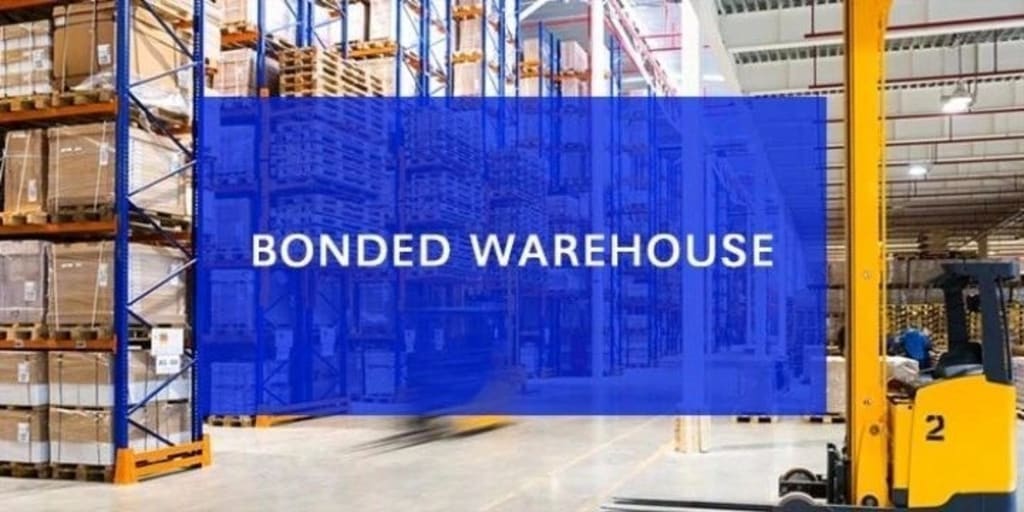
In the dynamic world of international trade, businesses face the constant challenge of managing imports and exports efficiently. One strategic solution that can significantly improve operations is the use of a customs warehouse. A customs warehouse provides a controlled, secure environment where goods can be stored for a specified period without the immediate requirement for import duties or taxes. This system offers numerous benefits to businesses, including importers, exporters, and logistics companies, helping them improve cash flow, reduce financial burdens, enhance logistics operations, and streamline tax management. Logistics companies in Oman, strategically located at key international trade hubs, can particularly benefit from this type of warehousing.
Delaying Duties and Taxes
Business entities benefit from customs bonded warehouses because they obtain the capability to defer tax obligations on their imported goods. These warehouses enable businesses to keep their goods inside until taxpayers need to make payments when they are sold in the market or exported. This payment postponement gives firms better management over their cash flow while they navigate large numbers of foreign imports, thus reducing their upfront financial expenses.
Exemption from Duties on Exports
The removal of duties and taxes applies to exported goods emerging from customs bonded warehouses. International traders benefit extensively from this duty relief because it decreases the expenses involved in border trade operations. Businesses that implement customs warehouses eliminate expenses from customs duties, which leads to reduced operation costs.
Reduced Warehousing and Storage Costs
Customs bonded warehouses deliver lowered storage expenses to their users. Companies engaged with bonded warehouses maintain free storage for their goods while remaining duty-free. With this method, companies can better manage their costs and plan their inventory, which helps them cut costs while still having easy access to materials for processing and distribution.
Streamlining Supply Chain Operations
The supply chain management operations for logistics companies, specifically in Oman, become more efficient by using customs-bonded warehouses as their storage facility. The storage facilities create space for companies to place merchandise for temporary holding before obtaining clearance at the duties stage across logistics operations. In addition to being more efficient, customs-bonded warehouses allow companies to avoid delays in customs processing, which speeds up the delivery of goods around the world.
Flexibility in Storing Goods
Businesses use customs-bonded warehouses to store merchandise until customer demand meets their requirements to avoid unwanted product movements. Companies benefit from keeping their shipments within warehouses so they can bypass customs clearance procedures since the warehouse serves as a holding area for storage before distribution starts. Transportation of goods between borders occurs with better direction because of this system.
Mitigating Financial and Operational Risks
The operations of customs warehouses serve to reduce both operational hazards and financial security challenges, which affect multinational trade. The insurance protection available in these warehouses helps businesses protect their inventory from both operator and natural perils and undesired events despite storage location. Businesses that handle valuable products as well as time-sensitive items benefit strongly from these additional security measures, which ensure safety throughout storage.
Effective Inventory Management
Businesses acquire better control of their inventory through the implementation of customs warehouses. These facilities enable businesses to store goods until they reach sufficient demand levels or if they need exportation. Businesses that use this approach decrease the risk of inventory damage along with the production of unusable products to achieve better inventory turnover rates and organizational efficiency.
Ensuring Compliance and Avoiding Penalties
Customs warehouses decrease the possibility of penalties as well as delays that result from wrong customs declarations. Little risk of non-compliance exists for businesses that operate in these warehouses because customs authorities maintain supervision and monitoring. Businesses that comply with regulations can prevent expensive penalties, which protects their operations from disruptions that impact supply chain activities.
Tax and Duty Management
Customs bonded warehouses are a powerful tool for managing tax and duty liabilities. Import duties and taxes can be significant expenses, particularly for businesses that import large volumes of goods. By storing goods in a customs warehouse, businesses can delay the payment of these costs, which improves their cash flow and provides financial flexibility. The ability to defer payments is especially useful for businesses dealing with time-sensitive imports, as it allows them to wait until they are ready to sell the goods in the domestic market or export them to another country.
Strategic Location Benefits for Oman-based Companies
Oman, located strategically between the East and West, is a hub for international trade. The country’s ports, such as the Port of Sohar and the Port of Salalah, play a key role in facilitating the movement of goods between the Arabian Peninsula and the rest of the world. By utilizing customs-bonded warehouses in these locations, businesses can gain significant operational advantages. The proximity of customs warehouses to major ports means that businesses can reduce delays and costs associated with shipping and transportation. Whether companies are importing goods from Asia, Europe, or Africa, the ability to store these goods close to key transportation routes helps expedite the supply chain process and reduce the risk of delays. This strategic positioning allows businesses to capitalize on trade agreements, improve efficiency, reduce overhead costs, and enjoy smoother operations across borders.
Conclusion
Customs bonded warehousing is a critical solution for businesses involved in international trade, offering a range of benefits that can significantly improve financial management, logistics efficiency, and risk mitigation. By allowing companies to defer duties, store goods for extended periods, and manage inventory more effectively, customs warehouses offer a strategic advantage that can help businesses optimize their operations and reduce costs. For a logistics company in Oman, customs bonded warehouses offer additional advantages, particularly due to the country’s strategic location and strong trade links. By leveraging the benefits of these warehouses, businesses can enhance their supply chain operations, improve cash flow, and gain a competitive edge in the global marketplace. Whether you are dealing with imports, exports, or transshipment, the use of customs-bonded warehousing is an invaluable tool for achieving success in international trade.
About the Creator
Keep reading
More stories from Arjun Madhav and writers in Writers and other communities.
ROLE OF AYURVEDIC DIET IN EFFECTIVE WEIGHT LOSS
Obesity, the most prevalent nutritional disorder of the modern era, is defined by an excess of body fat. Constant consumption of fatty, high-fat foods combined with a sedentary lifestyle causes excessive fat to be blocked in various body channels, which leads to a number of metabolic disorders, including diabetes, hypertension, irregular digestion, and more. It is essential to prevent obesity in order to overcome these issues. Although everyone is concerned about losing weight, it's also critical to adhere to a precise set of weight loss methods in order to prevent the body from losing too many nutrients. Consistent and healthy weight loss is always desirable, thus adhering to an Ayurvedic system is necessary to reach this goal. This approach promotes longevity, harmony, and health through a few easy steps. Weight loss with Ayurveda is always successful, consistent, and dependable. It's also very simple to follow. Ayurvedic treatment for weight loss Kerala can naturally lead to a more balanced and healthful lifestyle without the need of processed or artificial foods or fad diets that cause more harm than good.
By Arjun Madhav11 months ago in Writers
My crush
I sat down and started writing about my crush. Words seemed to float by the true essence of his presence because describing a man is not nearly as romantic as describing a woman. There are days I wish I could invent new words just so I can feel him through these writings with better precision.
By Marianne Lee2 days ago in Writers




Comments
There are no comments for this story
Be the first to respond and start the conversation.