
The Allure of Bathtub Gin: A Nod to the Golden Age of Cocktails
Bathtub Gin: Revisiting the Glamour and Grit of Prohibition-Era Cocktails

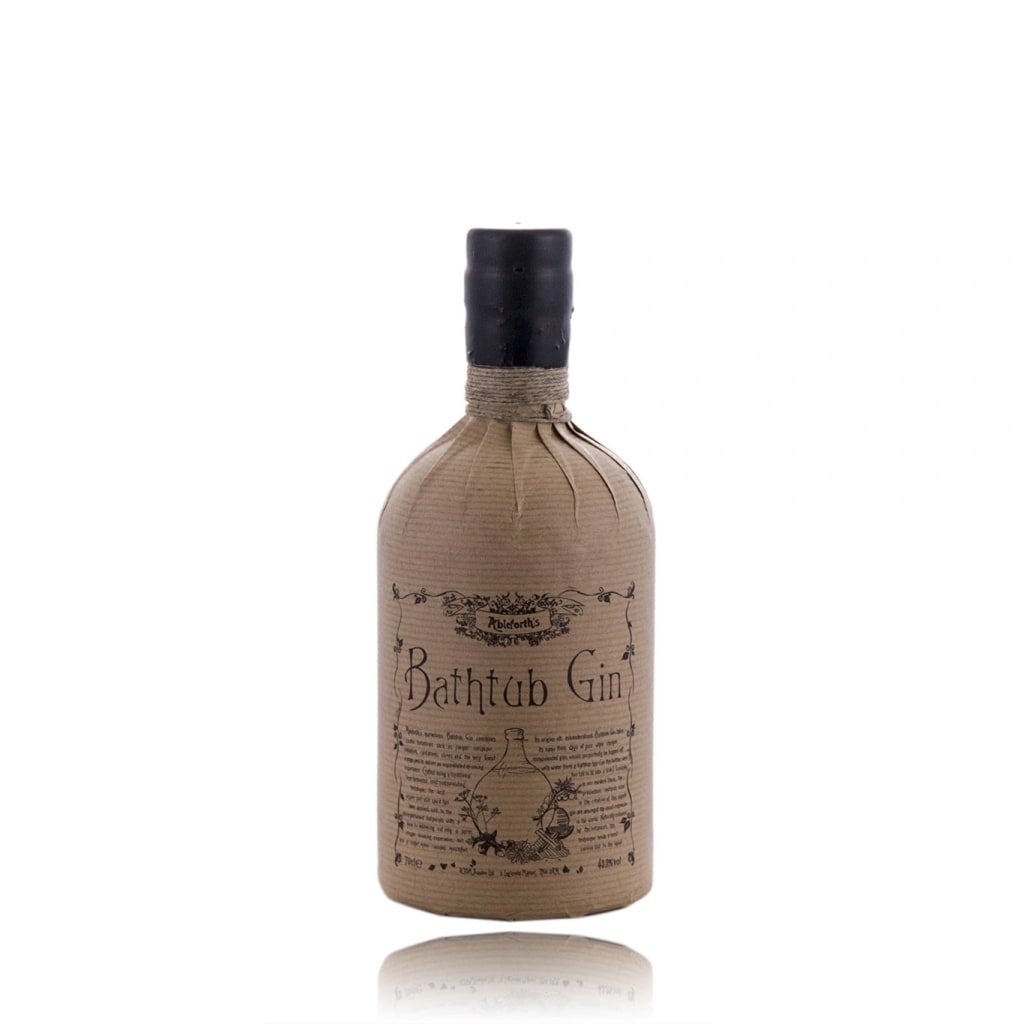
Bathtub gin is more than just a term from the Prohibition era, it’s a symbol of innovation, rebellion, and the enduring appeal of craft spirits. The name itself evokes images of hidden speakeasies, jazz-filled nights, and the art of making gin in unconventional ways. Today, the term continues to capture the imagination of cocktail enthusiasts, bringing with it a nostalgic nod to an era when creativity flourished despite restrictions.
A Brief History
The origins of bathtub gin trace back to the 1920s, when the United States enacted Prohibition, making the production, sale, and transportation of alcoholic beverages illegal. However, this didn’t stop the public from indulging in their love for spirits. Instead, it fueled an underground movement of homemade alcohol production, often crafted in private homes, hidden basements, and clandestine bars.
Gin became the go-to spirit of the era due to its relatively easy production process. Unlike whiskey, which requires aging, gin could be infused and consumed almost immediately. People would mix grain alcohol with juniper berries and other botanicals to create a spirit that mimicked traditional gin. Since these concoctions were often made in bathtubs or large containers too big for a sink, the term “bathtub gin” was born.
Why Bathtub Gin Became an Icon
It was not just a necessity; it was a cultural phenomenon. Its widespread popularity helped shape the era's drinking culture and played a significant role in the rise of speakeasies, hidden bars where people gathered to enjoy illicit drinks and entertainment.
1. The Spirit of Rebellion
During Prohibition, drinking it became an act of defiance against restrictive laws. It represented the resilience and ingenuity of those who refused to let government regulations dictate their social lives. The era gave birth to a subculture of bootleggers, bartenders, and everyday individuals who took matters into their own hands to ensure the party never stopped.
2. The Rise of Speakeasies
The need to consume alcohol discreetly led to the creation of hidden bars, or speakeasies, that flourished in urban areas. These establishments ranged from upscale lounges to hole-in-the-wall hideaways, and many of them served it as a staple drink. Since the gin’s taste varied widely in quality, bartenders mixed it with citrus, herbs, and other ingredients to create cocktails that masked its harsher flavors.
3. A Catalyst for Cocktail Culture
It played a pivotal role in popularizing classic cocktails. Since the quality of homemade gin was unpredictable, bartenders developed innovative ways to balance its strong flavors, leading to the creation of drinks like the Bee’s Knees, the Gin Rickey, and the Tom Collins. This experimental approach to mixology paved the way for today’s vibrant craft cocktail movement.
Modern Influence
Although Prohibition ended in 1933, the legend remains strong. Today, the term is often used to describe artisanal and craft gins that pay homage to the DIY spirit of the past. Distillers and bartenders have embraced the essence, focusing on unique botanical blends, small-batch production, and high-quality ingredients.
1. The Craft Gin Renaissance
The gin industry has experienced a resurgence in recent years, with craft distilleries experimenting with new flavors, distillation methods, and botanical infusions. Many brands celebrate the history of bathtub gin by creating spirits that echo its bold, juniper-forward taste while refining it for modern palates.
2. The Rise of Speakeasy-Themed Bars
The allure of hidden, intimate bars remains strong, leading to the resurgence of speakeasy-style establishments. These bars recreate the ambiance of the Prohibition era, often serving gin-based cocktails in dimly lit spaces with vintage decor. Some even feature secret entrances, requiring guests to enter through bookcases, phone booths, or unmarked doors to enhance the experience.
3. Home Infusion and DIY Gin Kits
Inspired by the tradition, many gin enthusiasts experiment with infusions at home. DIY gin kits allow people to create their own botanical blends, mirroring the creativity of Prohibition-era gin makers but with the benefit of high-quality base spirits. This trend highlights the continued fascination with hands-on, personalized drinking experiences.
Final Thoughts
The enduring appeal isn’t just about the spirit itself—it’s about the story behind it. The concept represents freedom, creativity, and the idea that great things can come from unexpected places. Whether it’s through craft distilleries, speakeasy bars, or home infusion projects, the legacy of bathtub gin continues to inspire new generations of gin lovers.
While today’s gin is far removed from the harsh homemade versions of the past, the adventurous spirit of the era lives on. The next time you enjoy a gin cocktail, take a moment to appreciate the history in your glass, a tribute to those who turned adversity into an art form, creating a lasting legacy in the world of spirits.
About the Creator
Thehouseof Whisky
At The House of Whisky, customer satisfaction is at the heart of everything we do. We provide an unmatched selection of whiskies from across the world.
Keep reading
More stories from Thehouseof Whisky and writers in Writers and other communities.
The Christmas Spirit in a Glass: Discovering Ardnamurchan
Christmas has a way of slowing life down. The world becomes quieter, the nights grow colder, and we instinctively turn to moments that feel warm, familiar, and meaningful. For many, Christmas is defined by traditions, some inherited, some created over the years. And among those traditions, sharing a good whisky often finds a special place. This year, one name seems to stand out for enthusiasts and curious sippers alike: Ardnamurchan, a whisky that captures the true essence of the festive season in every drop.
By Thehouseof Whisky2 months ago in Writers
It's Winter
Anne Bernays and Pamela Painter — What If? Writing Exercise for Fiction Writers prompts The Exercise —Write a scene involving two characters. Have the point-of-view character presume something entirely different about the situation from what the other character's overt behavior seems to imply. For example, a landlord comes to visit, and the tenant suspects that it isn't a visit but an inspection. Make up several situations in which one character can fantasize or project or suspect or even fear what another character is thinking. The Objective - To show how your characters can use their imaginations to interpret the behavior and dialogue of other characters.
By Denise E Lindquist17 days ago in Writers
Understanding Prototype PCB Assembly and Its Role in Modern Electronics Development
In the fast-evolving electronics industry, prototype PCB assembly plays a central role in turning design concepts into functional hardware. Before any electronic product reaches large-scale manufacturing, it must pass through a critical testing and validation phase. This is where prototype printed circuit boards (PCBs) become essential.
By Abbasi Publisher6 days ago in Writers


Comments (1)
I've just recently found my love for gin! I'm keen to give one of these DIY kits a go!