
Struggling with Panic Attacks? Understanding Their Causes and Treatment
Causes & Treatment

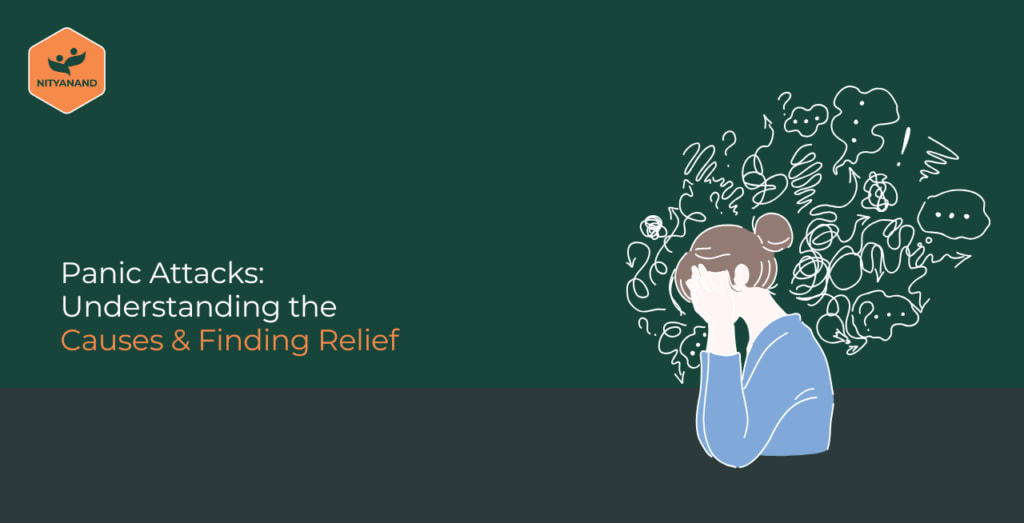
Panic attacks can be terrifying and unpredictable, often striking without warning and causing overwhelming fear and physical distress. Many people experience random panic attacks for no reason, while others find specific situations, such as driving, work stress, or nighttime fears, triggering these episodes. Studies indicate that panic disorder affects around 3% of individuals worldwide, making it a significant mental health concern.
This blog is here to help you understand the symptoms, causes, and effective treatment options that are crucial for managing panic attacks.
What Is Panic Disorder?
Panic disorder is a mental health condition characterised by recurring and unexpected panic attacks. Unlike occasional panic episodes caused by temporary stress, panic disorder involves frequent and intense attacks that occur seemingly out of nowhere.
Many people who experience panic attacks at work, while driving, or at night may not realise they have panic disorder until the episodes become frequent and disruptive. Without intervention, individuals may start avoiding situations that trigger panic, which can negatively impact their personal and professional lives.
Common Symptoms of Panic Disorder
Panic attacks manifest through a combination of physical and psychological symptoms, often leading individuals to fear the worst.
Physical Symptoms
- Rapid heartbeat and chest pain – Often mistaken for a heart attack.
- Shortness of breath and dizziness – Can create a feeling of suffocation.
- Excessive sweating and trembling – A response to heightened adrenaline levels.
- Intense fear of losing control – Individuals feel trapped in their distress.
- Feeling of detachment or unreality – Some experience a sensation of being disconnected from their surroundings.
- Dread of future attacks – Fear of having another episode can cause persistent anxiety.
Psychological Symptoms
Panic Attacks in Different Settings
- Panic attacks when driving – A sudden sense of loss of control can make individuals fearful of being on the road.
- Panic attacks at work – High-pressure environments may contribute to sudden anxiety episodes.
- Panic attacks at night – Sleep disturbances, racing thoughts, or nightmares can trigger nighttime panic attacks.
Underlying Causes of Panic Disorder
The exact cause of panic disorder varies from person to person, but researchers have identified biological and environmental factors that contribute to its development.
Biological Factors
- Genetic predisposition – A family history of anxiety disorders increases the risk of developing panic disorder.
- Brain chemistry – Imbalances in neurotransmitters such as serotonin and adrenaline can lead to heightened fear responses.
Environmental Triggers
- Stressful life events – Trauma, personal loss, or significant lifestyle changes can trigger panic attacks.
- Chronic stress – Workplace or financial stress can contribute to panic attacks at work or random panic attacks at home.
Identifying the root cause of panic disorder helps in developing effective treatment and coping strategies.
Risk Factors and Triggers
Some individuals are more susceptible to panic attacks due to predisposing factors and common triggers.
Key Risk Factors
- Family history of anxiety or panic disorders
- Chronic stress and high-pressure environments
- A history of trauma or unresolved psychological issues
Common Triggers
- Sudden, random panic attacks for no reason – May be linked to subconscious fears or internal stressors.
- Workplace stress leading to panic attacks at work – Excessive workload, deadlines, and public speaking may act as triggers.
- Claustrophobia or driving anxiety causing panic attacks when driving – Fear of confined spaces or losing control may intensify symptoms.
Recognising these risk factors and triggers allows individuals to well well-thought-out measures to manage their condition.
Importance of Early Detection
Early diagnosis and intervention play a crucial role in preventing panic disorder from worsening. Many individuals dismiss their panic attacks as temporary anxiety, only to find their symptoms escalating over time.
Benefits of Seeking Early Treatment:
- Lowers the intensity and frequency of panic attacks.
- Prevents the development of avoidance behaviours, such as refusing to drive or work.
- Improves overall mental and emotional well-being.
Early detection ensures that individuals can access effective treatment strategies before their condition significantly disrupts their daily lives.
Treatment and Management Options
Managing panic disorder involves a combination of therapy, medication, and lifestyle adjustments to help individuals regain confidence in their daily activities.
Therapies for Panic Disorder
- Cognitive Behavioural Therapy (CBT) – Helps individuals restructure negative thought patterns that trigger panic attacks.
- Exposure Therapy – Gradual exposure to fear-inducing situations, such as driving or work-related stress, can help reduce anxiety.
Medications
- Anti-anxiety drugs – Provide relief from acute panic episodes.
- Antidepressants – Help in long-term management by balancing neurotransmitter activity.
Lifestyle Strategies to Reduce Panic Attacks
- Mindfulness techniques for panic attacks at night – Relaxation exercises can help regulate sleep patterns.
- Breathing exercises to reduce panic attacks while driving – Controlled breathing helps maintain focus on the road.
- Workplace stress management to prevent panic attacks at work – Regular breaks, time management, and seeking support can reduce workplace anxiety.
By incorporating these treatment strategies, individuals can gradually regain control over their mental health.
The Takeaways
Panic disorder can be overwhelming, but it is highly treatable with the right approach. Whether panic attacks occur randomly, at work, while driving, or at night, recognising the symptoms, causes, and triggers can make a substantial difference in effective management. Seeking early intervention, therapy, and self-care strategies can help individuals reduce panic attacks and lead a healthier, more balanced life.
About the Creator
Nityanand raheb
Nityanand Rehabilitation, founded by Dr. Nitin Dalaya in 2002, offers holistic mental health care for chronic illnesses, empowering recovery with expert-led bio-psycho-social rehabilitation in Pune.
Keep reading
More stories from Nityanand raheb and writers in Writers and other communities.
How Rehab Centres in Pune are Helping People Overcome Addiction
Addiction is a growing challenge that impacts not just individuals but also their families and communities. The emotional toll can be overwhelming, often leaving loved ones desperate for solutions. In Pune, the prevalence of addiction has steadily risen, affecting people from all walks of life. A recent study revealed that most individuals who are seeking treatment for substance abuse are between the ages of 18 and 25. Such alarming figures underscore the urgent need for effective rehabilitation services. Rehabilitation centres in Pune provide a holistic approach to recovery, offering a safe space for individuals to overcome addiction and initiate the path to a healthier, addiction-free life.
By Nityanand raheb11 months ago in Writers
It's Winter
Anne Bernays and Pamela Painter — What If? Writing Exercise for Fiction Writers prompts The Exercise —Write a scene involving two characters. Have the point-of-view character presume something entirely different about the situation from what the other character's overt behavior seems to imply. For example, a landlord comes to visit, and the tenant suspects that it isn't a visit but an inspection. Make up several situations in which one character can fantasize or project or suspect or even fear what another character is thinking. The Objective - To show how your characters can use their imaginations to interpret the behavior and dialogue of other characters.
By Denise E Lindquist22 days ago in Writers


Comments
There are no comments for this story
Be the first to respond and start the conversation.