
Stop Trying to Be a "Good" Writer: Unleash Your Authentic Voice
Why Chasing Perfection Kills Creativity and Connection


Many writers feel a heavy burden. They think they need to be "good," often meaning perfect grammar, fancy words, or following strict rules. This pressure from outside can really stop your fresh ideas. It can make you doubt yourself and even lead to writer's block.
Pursuing "goodness" in this manner can lead to the loss of your true message. The writing feels fake. This article will show why trying too diligently to be "good" actually holds you back. We'll find better ways to write that feel right and work well.
Ditch the Definition of "Good": Why the Pursuit is Flawed
What does "good writing" even mean? Often, it's just a bunch of old ideas that don't help much. We need to look past these common myths. This way, we can see writing in a whole new light.
The Tyranny of the Thesaurus and Adjective Overload
Some writers think they need to sound super smart. They fill their text with big, complex words from a thesaurus. They also add too many adjectives. This usually makes their message unclear. It hides what they really want to say.
Simple, direct words are often stronger. They help your reader understand you quickly. Strive to employ concise and direct language. Your ideas will shine through much better.
Grammar as a Cage, Not a Guide
Yes, grammar is important for clear writing. However, obsessing over flawless grammar can impede your progress. You might become stuck trying to make every sentence flawless. This keeps you from even putting your thoughts down.
Think of grammar as a helpful tool, not a strict guard. Get your ideas out first. You can always fix small errors later. Ernest Hemingway, for example, often used basic sentences. His writing was still powerful and clear.
Mimicry vs. Originality: The Trap of Imitation
When you start writing, it’s natural to admire other authors. You might even try to write just like them. But copying someone else's style can prevent you from finding your own. Your unique voice never gets a chance to grow.
InsteadConsider what you love about their writing. Is it their rhythm or their way of telling a story? Learn from these things without trying to be a carbon copy. Let their work inspire you, not dictate your style.
Embrace Your Unique Voice: The Power of Authenticity
Your wWriting has a unique quality that only you can provide. This is your unique voice. Letting it show makes your writing stronger and more real.
Your writer's voice is like your fingerprint. It's the unique personality that comes through your words. It includes your tone, your views, and even how you phrase things. When your voice is authentic, readers feel a real connection.
People often connect more deeply with content that feels true. They want to hear from a real person. An honest voice builds trust and makes your writing memorable. It's what makes readers keep coming back for more.
Finding Your Authentic Sound: Exercises and Techniques
How do you find this special voice of yours? It takes practice and letting go. One great way is freewriting. Just write without stopping or judging yourself. Don't worry about mistakes or sounding smart.
Another useful trick is to read your work out loud. Listen to how it sounds. Does it sound like you? This practice helps you catch your natural speaking rhythm. It can also show you where your voice feels off.
The Reader's Connection to Authenticity
When you write with true feelings, your words build strong bonds. Readers can sense when you are being genuine. This honesty createtrust, making readers feel as if they truly know you.
Maya Angelou once shared that people remember how you made them feel. Authentic writing touches hearts. It makes your message stick with them. This deep connection is something "perfect" writing often misses.
Focus on Connection, Not Perfection: Prioritizing Your Audience
Shift your attention from trying to be perfect Instead, think about your readers. Your main goal should be to reach them and connect with them effectively.
Understanding Your Reader's Needs and Desires
Before you write, ask yourself, "Who am I writing for?" What do they want to learn? Knowing your audience is key. It helps you tailor your words directly to them.
Try making reader personas. Think about their interests, problems, and what they hope to gain. This practice helps you write content that truly speaks to their needs. It makes your writing much more relevant.
Clarity and Impact Over Elaboration
Clear and simple writing works best. It directly answers your reader's questions. Avoid big, flowery sentences that confuse more than they explain. Your message should bThey are easy to grasp and often provide valuable insights.ey usually get right to the point. They offer value without being wordy. This direct approach helps your readers quickly get what they need.
The Emotional Resonance of Genuine Writing
When your writing is honest, it stirs emotions. It can make readers feel understood or inspired. This emotional impact creates a stronger link between you and your audience. It leaves an imprint that lasts.
Authentic expression lets your personality shine. People respond to genuine feelings. This makes your writing powerful. It turns casual readers into loyal fans.
The Process Over the Product: Cultivating Sustainable Writing Habits
Writing involves more than just producing the final piece. It’s also about how you get there. Good habits help your creativity flow and keep you going.
Overcoming Writer's Block Through Process-Oriented Thinking
Writer's block can feel really frustrating. Instead of worrying about a perfect ending, focus on the act of writing. Break down your task into smaller steps. This makes it feel less scary.
Set small, easy goals for yourself. Maybe write 200 words, or spend 30 minutes writing. These little wins build momentum. They help you stay productive without feeling overwhelmed by the pressure of perfection.
The Value of Revision: Sculpting, Not Erasing
Think of revision as making something better, not correcting mistakes. It's a chance to polish your ideas. You get to sculpt your first draft into a stronger piece. This step improves your work without telling you your first try was bad.
Many great writers and editors say that good writing is mostly rewriting. It's where your real message takes shape. Revision is a valuable part of crafting something special.
Building a Writing Routine That Fuels You
A consistent writing routine can do wonders. It helps you show up even when you don't feel like it. Try different times of day Consider different writing environments that inspire your creativity and energy.ind what works for you. Maybe it's early mornings or late nights. Perhaps it's a quiet cafe or your own desk. Building this habit helps you keep writing, even when inspiration feels far away.
Conclusion: Unleash Your Power by Letting Go of "Good"
The idea of being a "good" writer often does more harm than good. It traps us in old rules and stops our true voice.
- Traditional ideas of "good" writing can actually hold you back.
- Your unique, authentic voice builds strong bonds with readers.
- Thinking about your audience first leads to more effective messages.
- Focusing on the writing process and refining your work creates lasting habits.
- By letting go of the need for perfection, you can become a more powerful, creative, and joyful writer.
Stop trying to fit into a mold. Start writing from your heart. Let your authentic self shine through every word you type.
...
Thank you for reading! 🌷
🙌 If you enjoyed this story, don’t forget to follow my Vocal profile for more fresh and honest content every day. Your support means the world!
About the Creator
vijay sam
🚀 Sharing proven affiliate marketing tips, smartlink strategies, and traffic hacks that convert. Follow for insights, tools, and real results to help you earn smarter—whether you're just starting or scaling up!
Early March 2026: 4 Goals Accomplished
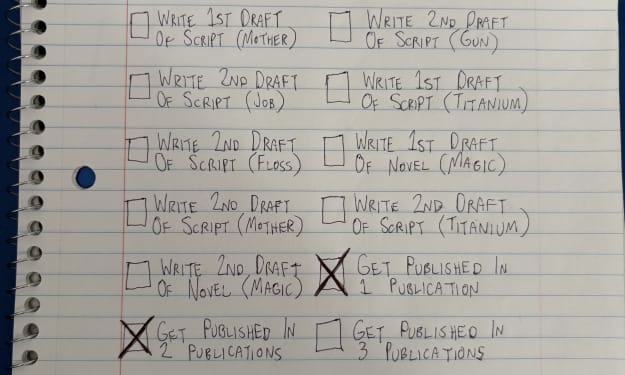
It's early March and I've now accomplished my 4th writing goal for the year of 2026. Before diving into the behind-the-scenes of it... why not tell you up front what that accomplishment was? I was published in a 2nd publication for this year. Published in Helix Literary Magazine out of Central Connecticut State University. You can read it for free right now!
By Stephen Kramer Avitabile5 days ago in Writers
Common Challenges in Microsoft Dynamics Implementation and How Partners Solve Them
Implementing Microsoft Dynamics 365 can transform the way organizations manage operations, customer relationships, and data-driven decision-making. However, like most enterprise platforms, implementing Dynamics 365 comes with its own set of challenges. Businesses often struggle with system complexity, data migration, customization decisions, and user adoption.
By Lilly Scott6 days ago in Writers



Comments
There are no comments for this story
Be the first to respond and start the conversation.