
Stocks Tumble as Gas Price Hike Dampens Business Sentiment
Stocks Tumble As Gas Price

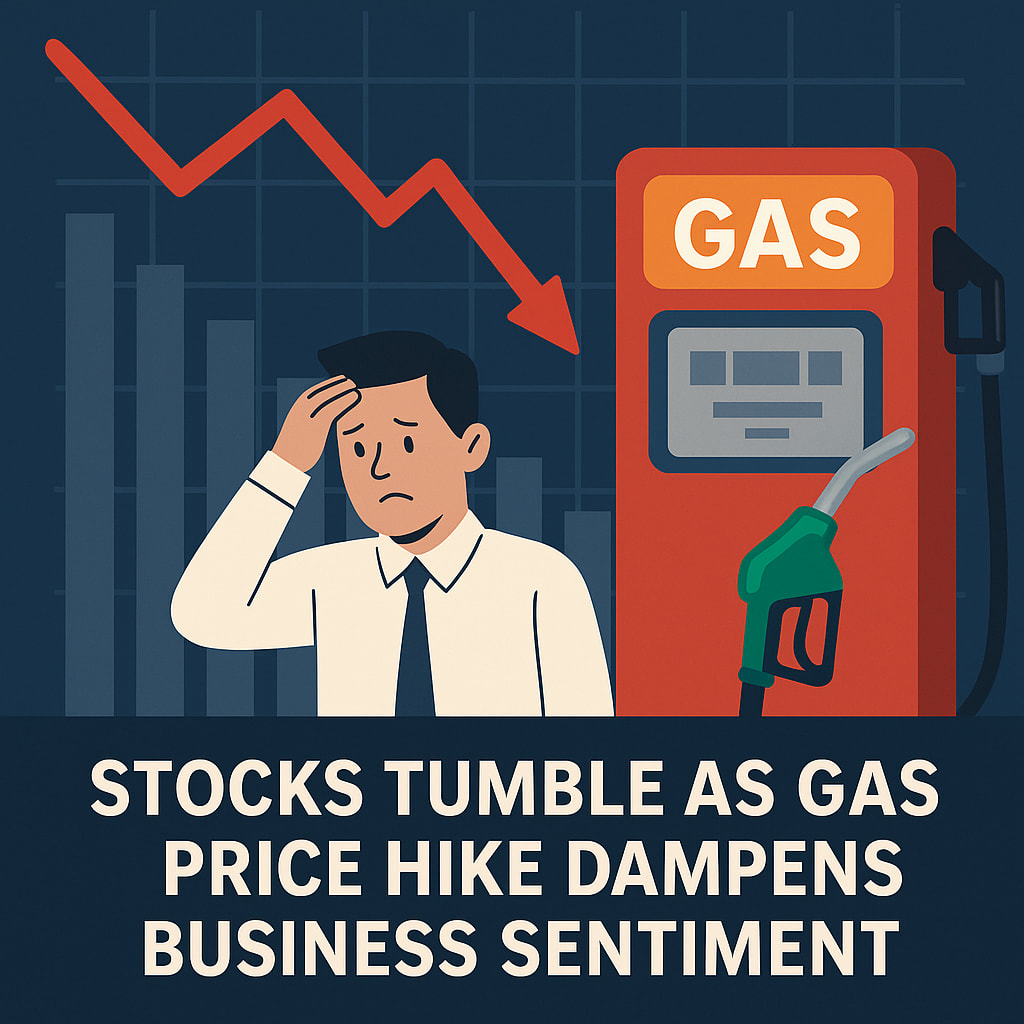
Stocks Tumble as Gas Price Hike Dampens Business Sentiment
In recent weeks, stock markets around the globe have faced sharp declines, and one of the most significant drivers behind this downward trend is the sudden and steep hike in gas prices. The impact of rising gas costs isn't just felt at the fuel pump — it ripples across industries, affecting supply chains, consumer confidence, and overall business sentiment. Let’s break down why the stock market is tumbling and how the surge in gas prices is making investors, businesses, and everyday people nervous.
Why Are Gas Prices Rising?
Gasoline prices are notoriously sensitive to global events, geopolitical tensions, and supply-demand imbalances. The current spike is driven by a mix of factors:
1. OPEC Production Cuts: Major oil-producing nations have tightened their supply, which reduces the global oil inventory, pushing prices higher.
2. Geopolitical Tensions: Conflicts and unrest in oil-rich regions often disrupt supplies and create uncertainty in the energy market.
3. Increased Demand: As economies recover post-pandemic, industrial activity, transport, and logistics demand more fuel, putting additional pressure on already limited supplies.
4. Environmental Regulations: New carbon taxes and restrictions on fossil fuels are making gas extraction and distribution more expensive.
These elements combined have pushed gas prices to levels unseen in recent years, and the consequences are being felt far and wide.
---
The Direct Link Between Gas Prices and the Stock Market
Gasoline and oil are essential to almost every economic activity. From transporting raw materials to delivering finished goods, energy costs play a huge role in determining the overall operational expenses of businesses. When gas prices skyrocket, companies face higher transportation and production costs, reducing profit margins.
As earnings expectations shrink, investor confidence takes a hit, and this triggers stock sell-offs, especially in sectors highly sensitive to fuel prices such as:
Airlines
Shipping & logistics
Manufacturing
Retail
Even industries indirectly linked to gas costs, like tourism and food, begin to suffer as higher energy costs lead to price inflation and reduced consumer spending.
---
How Rising Gas Prices Hurt Business Sentiment
Business sentiment, or how optimistic companies feel about future economic conditions, is closely tied to operational costs and customer behavior. When gas prices soar, businesses have to make tough choices:
Pass costs to consumers, leading to higher product prices.
Cut operational costs, which might include layoffs or reducing inventory.
Delay investments, slowing down innovation and expansion.
These decisions, in turn, weaken overall business confidence. Companies become hesitant to hire new staff, invest in new projects, or expand their footprint. This conservative approach can stunt economic growth and hurt stock valuations.
---
Investor Panic: Why Stocks Are Falling
Stock markets thrive on investor optimism and future earnings potential. When gas prices go up, analysts downgrade growth forecasts, which sends shockwaves through the market. Traders and institutional investors start pulling out their money from stocks, especially those vulnerable to rising fuel costs.
The sell-offs snowball into panic, pulling down major indexes like the S&P 500, NASDAQ, and Dow Jones. International markets feel the tremors too, as the U.S. remains one of the world’s largest consumers of oil.
---
The Ripple Effect on Small Businesses and Consumers
It’s not just big corporations that are feeling the pinch. Small businesses, especially those reliant on transportation, are directly impacted. Increased fuel expenses eat into their slim profit margins, leaving less room for growth or survival.
For consumers, rising gas prices translate into higher costs for groceries, clothing, electronics, and even services like ride-sharing and deliveries. This inflationary pressure forces people to tighten their budgets, further slowing down the economy.
---
Sectors Most Affected by the Gas Price Surge
1. Transportation and Logistics: Freight companies and delivery services are directly impacted, as fuel costs make up a significant portion of their operational expenses.
2. Aviation: Airlines struggle with jet fuel prices, which can dramatically shift their profit margins.
3. Manufacturing: Industries dependent on transporting raw materials and finished goods see increased overhead costs.
4. Retail: Higher shipping costs lead to increased shelf prices, lowering consumer demand.
5. Agriculture: Modern farming equipment runs on fuel, so rising prices hit this sector hard, causing food prices to rise.
---
Government Response to Rising Gas Prices
Policymakers are keenly aware of the economic impact of surging gas prices. Several governments have started to roll out short-term relief measures such as:
Fuel tax cuts or subsidies
Strategic petroleum reserve releases
Investments in alternative energy sources
While these measures can temporarily ease the pressure, the long-term solution lies in diversifying energy sources and increasing energy efficiency across industries.
---
How Investors Can Protect Their Portfolios
For individual investors, gas price hikes and stock market volatility can be nerve-wracking. Here are some strategies to protect your investments during such times:
Diversification: Spread your investments across different asset classes, like commodities, real estate, and bonds.
Energy Stocks: Companies in the oil and gas sector often benefit from rising prices, balancing losses from other stocks.
Dividend Stocks: Stable, cash-generating companies offer more resilience during economic uncertainty.
Index Funds: Investing in broad market index funds can cushion the blow of sector-specific downturns.
---
Long-Term Outlook: Should We Be Worried?
While the short-term impact of high gas prices is undeniably negative, long-term investors often benefit from sticking to their plans rather than making panic-driven decisions. Historically, markets have shown resilience and recovered even after energy crises.
However, the rising cost of fossil fuels could speed up the transition to renewable energy solutions, pushing innovation and opening up new investment opportunities in the green energy sector.
---
Final Thoughts
The recent gas price hike has sent shockwaves through the global stock markets, shaking business confidence and driving investors to reconsider their portfolios. Rising fuel costs increase operational expenses, reduce consumer purchasing power, and create an atmosphere of economic uncertainty.
For businesses, the challenge lies in adapting to the new cost structures while maintaining profitability and customer loyalty. For consumers, it means becoming more cautious about spending. And for investors, this is a critical moment to reassess risk tolerance and diversification.
The situation also highlights the need for long-term energy policy reform and investment in sustainable, alternative energy. As the world grapples with these price shocks, industries and individuals alike must prepare for both challenges and opportunities in an increasingly volatile global economy.
About the Creator
Keep reading
More stories from TAYEF AHMED KABBO and writers in Writers and other communities.
Google Unveils New Prompt Engineering Playbook: 10 Key Points on Mastering Gemini and Other AI Tools
Google Unveils New Prompt Engineering Playbook: 10 Key Points on Mastering Gemini and Other AI Tools Artificial Intelligence is reshaping industries, workflows, and creativity at an astonishing pace — and Google is at the center of that transformation. In a major step toward helping developers, businesses, and everyday users interact more effectively with AI systems, Google has released a new Prompt Engineering Playbook aimed at unlocking the full potential of its advanced AI tools, including Gemini.
By TAYEF AHMED KABBO9 months ago in Writers
Ludacris and Nelly draw backlash over bookings at MAGA-coded music festival
Ludacris and Nelly headlining a mostly right-wing event is good for them. It’s also great for the genre of hip hop. The two rap veterans have showcased their talents on other stages. Why can’t they perform for mostly MAGA folks and grab that bag?
By Skyler Saunders6 days ago in Beat


Comments
There are no comments for this story
Be the first to respond and start the conversation.