
Spore Syringe: A Vital Tool for Mushroom Cultivation
Spore Syringe
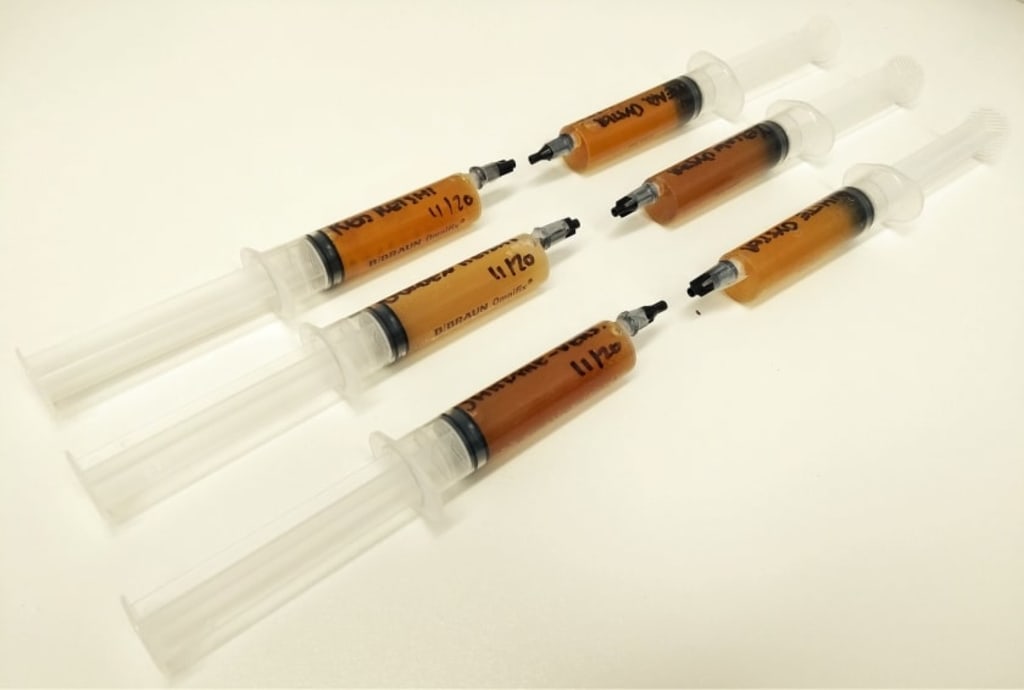
A spore syringe is a primary tool in the cultivation and research of mushrooms, particularly for mycologists, hobbyists, and professionals engaged in growing fungi. It consists of a sterile syringe filled with a solution that contains microscopic mushroom spores suspended in water. These spores, much like seeds in plants, are reproductive cells of fungi and are capable of developing into new mycelium when injected into an appropriate growing medium. For those interested in mushroom cultivation, a spore syringe is an essential instrument that offers a convenient way to introduce spores to a substrate, ensuring an efficient and controlled inoculation process.
What Is a Spore Syringe?
A spore syringe is essentially a syringe filled with sterilized water and mushroom spores. The water helps to suspend the spores, which are too small to be seen with the naked eye. The purpose of the syringe is to transfer these spores into a substrate, a nutrient-rich medium where fungi grow. Common substrates include sterilized grain, sawdust, or compost. Upon successful inoculation, the spores germinate into mycelium—a network of fungal cells from which mushrooms eventually fruit.
Spore syringes are commonly available for a wide range of mushroom species, including popular varieties like Psilocybe cubensis for research, and edible types like oyster mushrooms. These syringes are convenient for both novice and experienced mushroom cultivators due to their simplicity, effectiveness, and ease of use.
How Spore Syringes Are Made
The process of making a spore syringe involves several steps, most of which require sterile environments to prevent contamination. Contamination is a significant concern in mushroom cultivation, as spores can be easily compromised by unwanted bacteria or molds. This is why sterile techniques are employed, such as working within a laminar flow hood or using tools that have been flame-sterilized.
To create a spore syringe, a spore print is typically taken from a mature mushroom. This spore print is a collection of spores that fall from the mushroom’s gills onto a sterile surface, like a glass slide or aluminum foil. The spores are then scraped off and suspended in sterilized water, which is then drawn into a sterile syringe. The entire process must be done carefully to ensure that no contaminants enter the syringe, as even a small amount of bacteria can ruin the subsequent cultivation efforts.
Uses of Spore Syringes
Spore syringes are widely used in mushroom cultivation, particularly by home growers and small-scale cultivators. After preparing the syringe, it is injected into a sterilized substrate where the spores germinate into mycelium. This process typically takes a few weeks under the right conditions of temperature, humidity, and light. Once the mycelium has fully colonized the substrate, fruiting conditions can be introduced to encourage mushroom growth.
Beyond cultivation, spore syringes also serve an important role in research. They allow scientists to study the genetics, development, and taxonomy of fungi. In particular, spore syringes are commonly used in the study of psychoactive mushrooms, such as Psilocybe species, which are examined for their medicinal and therapeutic properties.
Proper Storage and Longevity
Proper storage is essential for preserving the viability of a spore syringe. Spores can last for up to a year or more when stored correctly in a cool, dark place, such as a refrigerator. It is also important to label spore syringes with the species name and date of preparation, as different mushrooms have varying shelf lives and germination times.
Conclusion
Spore syringes are an indispensable tool for mushroom growers and researchers alike. Whether for culinary purposes, therapeutic exploration, or academic study, they provide a simple and effective way to propagate fungi. With proper handling, sterile techniques, and suitable storage conditions, a spore syringe can open the door to the fascinating world of mycology.
About the Creator
Keep reading
More stories from writers in Writers and other communities.
Early March 2026: 4 Goals Accomplished
It's early March and I've now accomplished my 4th writing goal for the year of 2026. Before diving into the behind-the-scenes of it... why not tell you up front what that accomplishment was? I was published in a 2nd publication for this year. Published in Helix Literary Magazine out of Central Connecticut State University. You can read it for free right now!
By Stephen Kramer Avitabile7 days ago in Writers



Comments
There are no comments for this story
Be the first to respond and start the conversation.