
Silent Suffering: The Ongoing Cruelty Faced by Pashtuns Today"
A Cry for Justice and Recognition Amidst Oppression, Discrimination, and Conflict"

Introduction
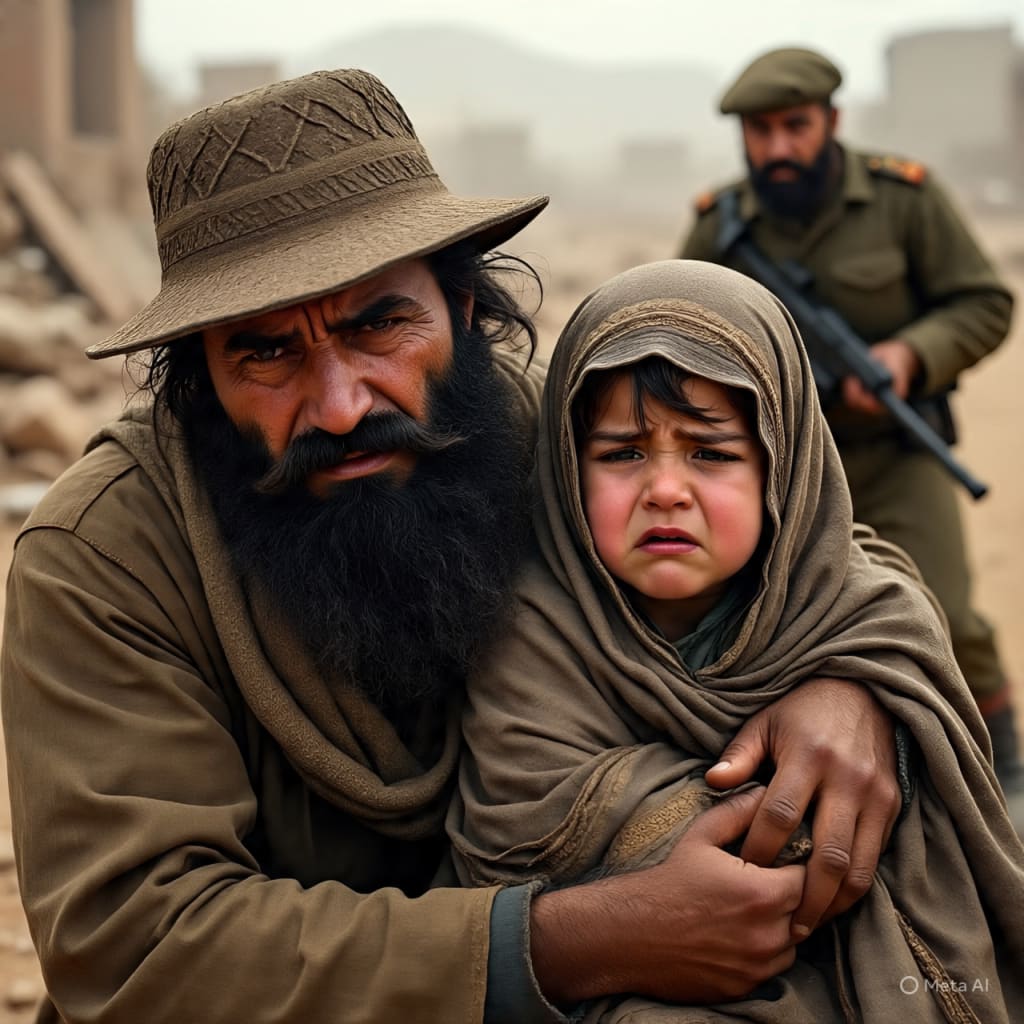
The Pashtuns—an ethnic group known for their rich culture, bravery, and history of resistance—are facing a silent crisis today. Spread mainly across Pakistan and Afghanistan, Pashtuns are enduring a troubling series of human rights violations, forced displacements, racial profiling, and systemic discrimination. These acts, often overlooked by mainstream narratives, have created a humanitarian and political issue that demands immediate global attention.
---
A People Caught Between Borders and Wars
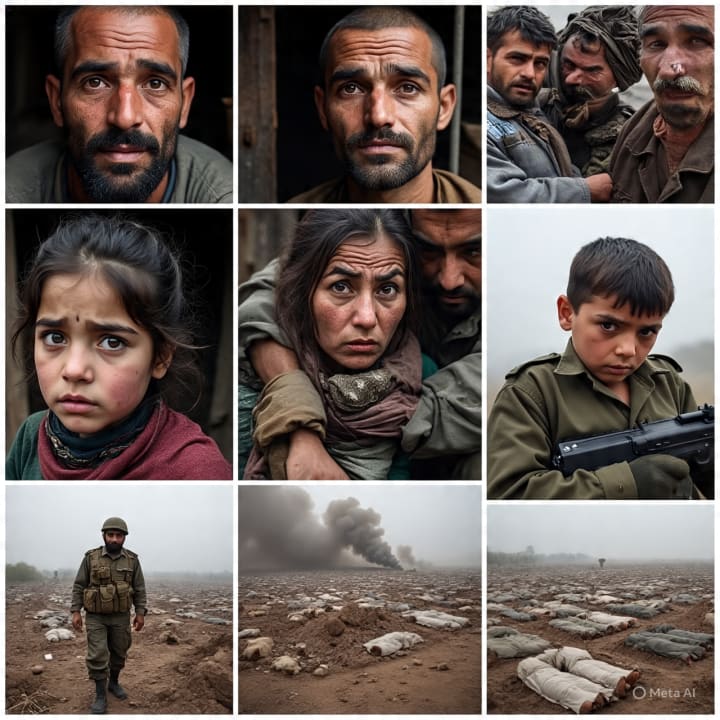
Pashtuns live primarily in the regions of Khyber Pakhtunkhwa, Balochistan, and the tribal areas of Pakistan, as well as across the border in eastern Afghanistan. Due to geopolitical tensions, the U.S. war on terror, and domestic instability, these areas have become battlegrounds. Pashtuns have frequently found themselves caught in the crossfire of militancy, military operations, and drone strikes. Entire villages have been razed, families displaced, and innocent lives lost—all in the name of counterterrorism.
While terrorism needs to be addressed, many Pashtuns argue that collective punishment of their communities only leads to deeper alienation and injustice.
--
Enforced Disappearances and State Repression
One of the most pressing issues is the large number of enforced disappearances. Human rights organizations and movements like the Pashtun Tahafuz Movement (PTM) have documented hundreds of cases where young Pashtun men are abducted by security forces without any charges or trials. Families wait for years without news, often fearing the worst.
Peaceful protests demanding the return of these missing persons are often met with violence, censorship, and arrests. Leaders like Manzoor Pashteen, Ali Wazir, and Mohsin Dawar have been jailed, harassed, and painted as threats simply for demanding constitutional rights for their people.

--
Militarization and the Legacy of War
Since the Soviet invasion of Afghanistan in the 1980s, Pashtun regions have become heavily militarized. Armed groups flourished in the vacuum, and local populations suffered from both extremist violence and state crackdowns. For decades, the region has been treated not as a homeland for millions, but as a strategic war zone.
Even after the fall of the Taliban in Afghanistan, many Pashtuns continue to face suspicion and surveillance due to their ethnic background. In some areas, entire populations have been displaced due to ongoing operations, leaving families in poverty and trauma.
---
Racial Profiling and Media Silence
In urban areas, especially cities like Karachi, Pashtuns are often racially profiled and labeled as terrorists or drug dealers. Stereotypes in media and public discourse fuel prejudice and deepen the marginalization of this proud community.
Despite their significant contributions to the economy and society, Pashtuns face constant discrimination in employment, education, and civil rights. Their stories rarely make it to national headlines, and their grievances are ignored or suppressed.
---
The Pashtun Tahafuz Movement: A Struggle for Rights
In recent years, the PTM has emerged as a powerful grassroots movement demanding an end to extrajudicial killings, enforced disappearances, land mines, and military checkpoints in civilian areas. Their peaceful protests have mobilized thousands, calling attention to the plight of the Pashtuns.
However, the state's response has often been hostile. Activists are labeled traitors, arrested under false charges, and denied media coverage. Despite these challenges, PTM continues to speak out, representing a new wave of awareness among Pashtun youth.
---
International Silence and the Need for Global Attention
One of the most disturbing aspects of this crisis is the silence of the international community. Despite clear human rights abuses, there is minimal pressure on governments to investigate or reform. The strategic location of the Pashtun homeland has often overshadowed the human cost of ongoing military policies.
The world must recognize that Pashtuns are not merely collateral damage in geopolitical games—they are human beings with dignity, history, and dreams.
---
Voices of the Forgotten
Behind every headline are real stories—mothers searching for sons, children growing up without fathers, communities living in fear. These stories rarely get told, and the pain continues in silence.
Poets, artists, and scholars from the Pashtun community have begun to use their voices to document this pain. Literature, music, and social media campaigns have played a role in pushing back against the erasure of Pashtun suffering.

---
Conclusion: A Call for Justice
The cruelty being inflicted upon Pashtuns today—whether through state violence, racial profiling, or media neglect—is not just a Pashtun issue. It is a human rights crisis. For a truly just and peaceful society, the voices of the oppressed must be heard, their pain acknowledged, and their rights guaranteed.
It is time for national and international stakeholders to listen, respond, and act—not just with words, but with meaningful change. The Pashtun people have endured enough. Now, they must be allowed to live with dignity, freedom, and peace.
About the Creator
Fazal Malik
"Welcome ! We're dedicated to making learning fun and accessible. Subscribe for educational videos, tutorials, and resources to ignite your curiosity."
Keep reading
More stories from Fazal Malik and writers in Writers and other communities.
Writing To Succeed
If you want to find something that will help readers find your writing, possibly expand your audience, and maybe even get you noticed for other things, then you’re not alone. But how can you get it done in a world full of want-to-be writers? Look less at what you’re writing now, and more at what other writers have used to boost their views and reads.
By Jason Ray Morton 4 days ago in Writers
The Library of Lost Things
The rain didn’t just fall in Oakhaven; it sighed. It was the kind of gray, relentless drizzle that made you want to stay inside and count your regrets. I found myself standing in front of a building I’d passed a thousand times but never truly noticed: a narrow storefront with a peeling wooden sign that read The Library of Lost Things.
By Nolan Ellis2 days ago in Writers
Bomb Scare
It was 2027, and the world never thought it would happen. A missle hit the United States, but it wasn't where they had anticipated. A little town in the northeast was hit by a missile strike, they didn't know why, and they didn't know exactly where it hit, but they did know it was a coastal community, somewhere between Maine and Delaware.
By Gregory Payton6 days ago in Fiction




Comments
There are no comments for this story
Be the first to respond and start the conversation.