
Signs of a Quality Long-Term Dog Boarding Facility
How to Identify Superior Care Standards for Your Dog's Extended Stay

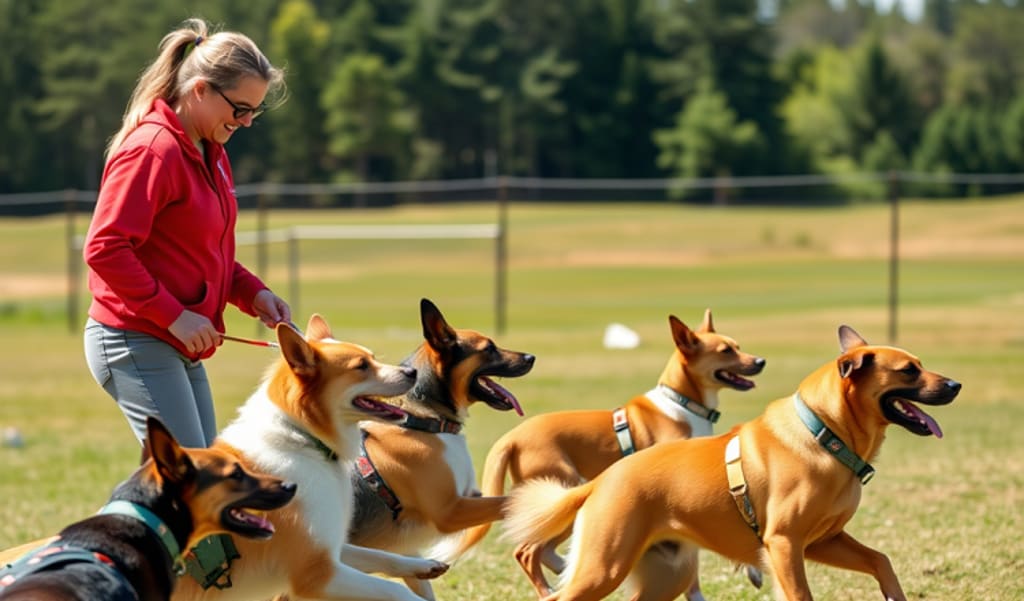
Finding the right long term dog boarding facility can feel overwhelming, especially when you're entrusting your beloved pet to strangers for weeks or months. Unlike a quick weekend stay, extended boarding requires exceptional standards of care, experienced staff, and an environment where your dog can genuinely thrive. Understanding the key indicators of quality helps you make confident decisions and ensures your furry family member receives the care they deserve during your absence.
Why Long Term Dog Boarding Requires Higher Standards
Long term dog boarding presents unique challenges that standard kennels may not adequately address. When dogs spend extended periods away from home, they need more than basic food and shelter. Quality facilities recognize that long-term residents require:
Enhanced living spaces that prevent the stress and anxiety associated with prolonged confinement. Comprehensive enrichment programs that maintain mental health and prevent boredom-related behavioral issues. Deeper relationships with staff members who understand individual personalities and preferences. More rigorous health monitoring to catch potential problems early. Superior cleanliness protocols that maintain hygiene standards over weeks or months.
The difference between mediocre and exceptional long term dog boarding often determines whether your dog returns home happy and well-adjusted or stressed and behaviorally changed.
Cleanliness and Facility Maintenance
The moment you walk into a long term dog boarding facility, your nose and eyes should tell you plenty about quality standards.
Immediate Impressions
Premium facilities maintain spotless conditions throughout. You should notice fresh air without overwhelming odors, even with multiple dogs present. While some animal scent is natural, overpowering smells indicate inadequate ventilation or insufficient cleaning protocols.
Floors should be clean and dry without visible waste, stains, or standing water. Food and water bowls should appear sanitized, and bedding should look fresh and recently laundered. The facility should feel organized rather than chaotic, with clear separation between clean and soiled areas.
Deep Cleaning Protocols
Ask about the daily cleaning schedule for long term dog boarding accommodations. Quality facilities typically clean individual kennels or suites at least once daily with hospital-grade disinfectants, spot-clean multiple times throughout the day, sanitize food and water bowls after each use, and launder bedding daily or as needed.
Premium facilities also implement regular deep-cleaning schedules for entire sections, professionally clean ventilation systems, and maintain detailed sanitation logs.
Disease Prevention Measures
Extended stays in long term dog boarding increase disease exposure risk. Quality facilities implement strict protocols including isolation areas for new arrivals before integration with other dogs, separate quarantine spaces for sick animals, proper ventilation preventing airborne illness spread, and regular disinfection of toys, equipment, and shared spaces.
Living Space Quality
Size and Comfort
For long term dog boarding, cramped quarters create stress and behavioral problems. Individual accommodations should provide adequate space for your dog to stand fully, turn around comfortably, stretch out completely when lying down, and move freely without restriction.
Minimum space requirements for quality long term dog boarding typically include at least 32 square feet for small dogs under 30 pounds, 48 square feet for medium dogs between 30-60 pounds, and 64+ square feet for large dogs over 60 pounds. Premium facilities often exceed these minimums significantly.
Suite-Style Accommodations
The best long term dog boarding facilities offer suite-style living with separate sleeping and activity areas, raised beds or orthopedic bedding for comfort, climate-controlled environments year-round, windows or skylights providing natural light, and personal touches like calming music or pheromone diffusers.
These amenities transform boarding from mere containment into comfortable temporary housing that minimizes stress during extended stays.
Outdoor Access
Quality long term dog boarding provides substantial outdoor opportunities. Look for multiple secure play yards sized appropriately for different breeds, weather-protected areas with shade and shelter, safe ground surfaces like grass, artificial turf, or rubber matting, and double-gate entry systems preventing escapes.
Outdoor spaces should be well-maintained, free from hazards, and spacious enough for real exercise rather than just bathroom breaks.
Staffing Excellence and Experience
Staff-to-Dog Ratios
One of the clearest indicators of quality long term dog boarding is appropriate staffing levels. Overcrowded facilities cannot provide the individualized attention essential for extended stays.
Ideal ratios include one staff member per 10-15 dogs during daytime hours, 24-hour supervision with overnight staff present, and one caregiver per 5-8 dogs during exercise or group activities.
Ask directly about staffing levels and observe whether dogs receive prompt attention during your visit. If staff seem rushed or overwhelmed, that's a significant red flag.
Qualifications and Training
Professional long term dog boarding facilities invest heavily in staff development. Team members should hold certifications in pet first aid and CPR, have training in canine behavior and body language, understand proper handling techniques for various temperaments, and know emergency response protocols.
Beyond formal credentials, observe staff interactions with dogs. Quality caregivers demonstrate patience, kindness, and genuine affection. They should recognize regular boarders by name and discuss individual dogs with specific details about personality, preferences, and quirks.
Communication Standards
Excellent long term dog boarding facilities prioritize owner communication through detailed pre-boarding consultations about routines and needs, regular updates with photos or videos, immediate notification of any health or behavioral concerns, accessible management for questions, and daily logs tracking meals, bathroom habits, and activities.
Poor communication suggests disorganized management and inadequate attention to individual dogs.
Health and Safety Protocols
Vaccination Requirements
Reputable long term dog boarding facilities maintain strict health requirements protecting all animals. At minimum, facilities should require current rabies vaccination, DHPP (Distemper, Hepatitis, Parvovirus, Parainfluenza), Bordetella (kennel cough), and increasingly, canine influenza vaccines.
Quality facilities also often require recent negative fecal tests and proof of current flea, tick, and heartworm prevention. These requirements aren't excessive bureaucracy—they're essential protection for your dog and others in the facility.
Veterinary Relationships
Extended stays require solid medical support. Premium long term dog boarding facilities should have established relationships with local veterinary clinics, clear emergency medical protocols, ability to transport dogs immediately for urgent care, written authorization processes for emergency treatment, and staff trained to recognize illness or distress signs early.
Ask specifically about their most recent veterinary emergency and how they handled it. Quality facilities can articulate clear examples demonstrating their protocols in action.
Health Monitoring
For long term dog boarding, daily health checks are essential. Staff should monitor appetite and eating patterns, bathroom habits and consistency, energy levels and behavior changes, coat condition and skin health, and mobility and comfort levels.
Quality facilities maintain detailed records noting any deviations from normal patterns, enabling early intervention before minor issues become serious problems.
Exercise and Activity Programs
Daily Exercise Requirements
Perhaps the most significant difference between mediocre and exceptional long term dog boarding is the exercise program. Extended stays demand substantial physical activity to maintain health and prevent behavioral problems.
Quality facilities provide at least three to four exercise periods daily totaling 90-120 minutes of activity. This should include morning walks or play sessions lasting 30-45 minutes, midday activity breaks of 20-30 minutes, afternoon exercise periods of 30-45 minutes, and evening potty breaks with light activity.
Ask to see the daily schedule for long term dog boarding residents. Vague responses about "regular exercise" often mean inadequate activity levels.
Variety and Enrichment
Repetitive routines lead to boredom and stress during extended stays. Premium long term dog boarding offers varied activities including group play for social dogs, individual attention for dogs preferring one-on-one interaction, walking trails or outdoor exploration, swimming opportunities in appropriate climates, agility equipment or obstacle courses, and interactive games like fetch and tug-of-war.
The best facilities rotate activities daily, ensuring dogs experience novelty and mental stimulation throughout their stay.
Mental Stimulation
Physical exercise alone isn't sufficient for long term dog boarding. Dogs need mental engagement to thrive during extended periods away from home.
Look for facilities offering puzzle toys and treat-dispensing games, training sessions teaching new commands or tricks, scent work and nose games engaging natural instincts, rotating toy selections maintaining novelty, and dedicated individual attention time with staff.
Quality facilities understand that a mentally tired dog is a happy, well-adjusted dog.
Socialization and Temperament Assessment
Individualized Approach
Quality long term dog boarding begins with thorough temperament evaluation. Before placing dogs in group settings, professional facilities conduct behavioral assessments, introduce dogs gradually to group environments, monitor initial interactions closely, respect individual comfort levels, and adjust socialization based on specific needs.
Not all dogs are social, and forcing interactions creates stress. Premium facilities recognize that some dogs prefer human companionship over constant canine contact.
Appropriate Grouping
Dogs in long term dog boarding should be thoughtfully grouped by size to prevent injury, play style to match energy levels, age to protect puppies and seniors, and temperament to create compatible social dynamics.
Staff should actively supervise group play, intervening when interactions become too rough or when dogs show stress signals like excessive panting, lip licking, or avoidance behaviors.
Solo Time Options
Even social dogs need breaks from constant interaction. Quality long term dog boarding provides quiet rest periods between activities, individual kennels for decompression, one-on-one time with staff, and the ability to opt out of group play when needed.
Dogs shouldn't be forced into social situations that cause stress, regardless of how many weeks or months they're staying.
Customization and Flexibility
Personalized Care Plans
Exceptional long term dog boarding recognizes that every dog is unique. Premium facilities willingly accommodate special dietary needs or specific feeding schedules, maintain your dog's established routine as much as possible, administer medications on precise schedules, provide extra attention for anxious or elderly dogs, honor exercise preferences, and respect behavioral quirks or special requirements.
During your initial consultation, discuss your dog's specific needs in detail. Quality facilities should take extensive notes and demonstrate genuine interest in understanding your dog as an individual.
Accommodation Options
Premium long term dog boarding offers various levels of accommodations. Standard kennels provide clean, safe, appropriately sized spaces meeting basic needs. Premium suites offer larger spaces with amenities like raised beds, calming music, and more frequent staff interaction. VIP packages might include private outdoor yards, webcam access for owners, extra exercise sessions, training programs, or spa services.
For extended stays, upgrading accommodations significantly impacts your dog's comfort and emotional wellbeing over time.
Additional Services
Quality facilities often provide grooming services including bathing, nail trimming, and brushing, training programs for basic obedience or trick learning, spa services like massage or aromatherapy, special occasion celebrations, webcam access for owner peace of mind, and transportation services for pickup and delivery.
These extras indicate a facility that views long term dog boarding as comprehensive care rather than simple containment.
Transparency and Trust Indicators
Open-Door Policy
One of the strongest signs of quality long term dog boarding is openness to unannounced tours. Premium facilities should encourage pre-boarding facility visits, allow you to see all areas where your dog will spend time, introduce you to staff who will provide care, answer questions thoroughly without defensiveness, and provide clear information about all policies and procedures.
Be immediately wary of facilities that refuse tours, show only limited areas, require appointments far in advance, make excuses about timing, or seem defensive about questions. These red flags often indicate substandard conditions they're trying to hide.
Clear Documentation
Professional long term dog boarding facilities provide written contracts outlining all services, pricing, and terms, clear cancellation and refund policies, explicit emergency and medical care protocols, liability coverage and insurance information, detailed vaccination and health requirements, and emergency contact procedures.
Everything should be documented in writing. Verbal agreements and vague policies create problems when issues arise during extended stays.
References and Reputation
Quality long term dog boarding facilities welcome reputation inquiry. Look for positive online reviews across multiple platforms, willingness to provide references from long-term clients, professional memberships in organizations like the Pet Care Services Association, clean inspection records if licensing is required, and longevity in business demonstrating proven track records.
Research thoroughly before committing to extended boarding. A facility's history reveals far more than their marketing materials ever will.
Trial Stays
The best way to evaluate long term dog boarding is through experience. Quality facilities should offer short trial stays before extended commitments, provide detailed feedback about your dog's adjustment, welcome your assessment after trial periods, and make adjustments based on your dog's observed needs.
A trial weekend or week-long stay reveals realities that no tour or conversation can fully capture.
Financial Considerations
Transparent Pricing
Quality long term dog boarding provides clear pricing structures without hidden fees, written estimates for extended stays, discounts for long-term commitments (many facilities offer reduced weekly or monthly rates), upfront information about additional service costs, and flexible payment options.
Request detailed pricing breakdowns. Understand exactly what's included in the base rate and what costs extra.
Value Assessment
The cheapest long term dog boarding isn't always the best value. Consider what's included in the base price—number of daily exercise sessions, type of accommodations, feeding arrangements, and basic care level. Then factor in additional costs for medication administration fees, premium food or special diets, extra play sessions, grooming services, and training programs.
Calculate the total cost for your expected stay including likely add-ons. Sometimes seemingly expensive facilities provide better overall value when comprehensive services are factored in.
Peace of Mind Value
The intangible value of quality long term dog boarding—knowing your dog is safe, happy, and well-cared for—is genuinely priceless. Choosing facilities based solely on cost can lead to constant worry, stress, and potentially inadequate care for your beloved companion during your absence.
Red Flags to Avoid
Certain warning signs should immediately disqualify long term dog boarding facilities from consideration. Refuse to allow facility tours or show limited areas only. Provide vague answers about staffing, routines, or emergency protocols. Have overwhelmingly negative online reviews or concerning complaints. Appear dirty, smell strongly, or show poor maintenance. Display stressed, anxious, or unhappy dogs during your visit. Lack proper licensing, insurance, or professional memberships. Cannot provide veterinary references or emergency care protocols. Have inadequate outdoor space or exercise programs. Show defensive or dismissive attitudes toward questions.
Trust your instincts. If something feels wrong during your visit, it probably is.
Making Your Final Decision
Selecting the right long term dog boarding facility requires thorough research, multiple facility visits, detailed questioning, careful observation, and honest assessment of your dog's specific needs.
Your dog deserves more than basic containment during your extended absence. They deserve a home-away-from-home where they'll receive compassionate care, adequate exercise, mental stimulation, appropriate socialization, and the security of capable, caring hands.
By identifying these signs of quality, you can make confident decisions ensuring your dog's extended stay is safe, comfortable, and as stress-free as possible. Quality long term dog boarding isn't just about keeping your dog alive—it's about helping them thrive during your necessary absence, returning home happy, healthy, and well-adjusted.
Take your time, do your research, and choose wisely. Your dog's wellbeing during those weeks or months depends entirely on the decision you make today.
About the Creator
Dancing Creek Farm
https://dancingcreekfarm.com/
Located in Southern Virginia offering dog boarding and training. We offer professional transport nationwide. We are happy to give you a FaceTime tour . You can easily text us at 434-549-1616
Keep reading
More stories from Dancing Creek Farm and writers in Writers and other communities.
Short-Term Dog Boarding for Rescue Dogs: Helping Newly Adopted Pets Adjust
Adopting a rescue dog is an incredibly rewarding experience, but it also comes with challenges, particularly in the initial adjustment period. Many newly adopted dogs need time to adapt to their new environment, and sometimes, pet owners may require temporary boarding solutions. Short-term dog boarding can be an invaluable resource for rescue dogs, helping them transition smoothly into their forever homes while providing professional care and support.
By Dancing Creek Farm11 months ago in Writers
Published in Portrait of New England
My quest to find many publications with prestige to submit to has worked out even better than I thought. I was searching for more publications with more prestige in order to bolster my resume. I truly thought I'd try this for a year and not get published anywhere... maybe if I was lucky... in one of them. And I was OK with that... I was just going to try again the following year, and the year after that, and so on.
By Stephen Kramer Avitabile29 days ago in Writers




Comments
There are no comments for this story
Be the first to respond and start the conversation.