
SharedEasy and What I Learned About Living Without Long-Term Plans
A reflective look at how shared living is adapting to modern city lifestyles

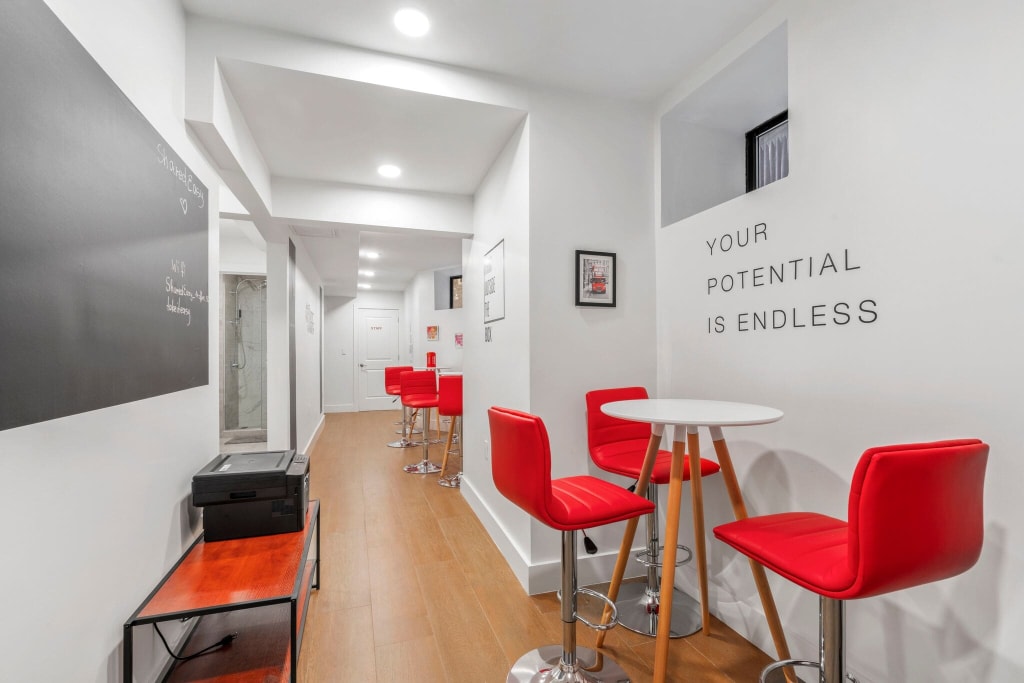
I didn’t always think much about where I lived. For a long time, housing felt like a background detail—something you secured once and forgot about. That idea started changing when I noticed how often people around me were moving. New jobs, short contracts, remote work, temporary stays. Life didn’t seem to follow fixed timelines anymore, but housing still expected it to.
When you arrive in a new city, especially alone, the pressure to “figure everything out” comes quickly. Where you’ll live, how long you’ll stay, whether the decision you make today will still work six months from now. Traditional renting assumes certainty, but most people I know are navigating uncertainty instead.
I’ve seen friends commit to long leases only to outgrow them. Others spent weeks setting up apartments they barely stayed in. What stood out to me wasn’t the cost—it was the energy. So much time went into planning housing around a future that wasn’t guaranteed. The emotional weight of those decisions often felt heavier than the physical move itself.
At some point, I started paying attention to shared living spaces. Not because they looked trendy, but because they felt practical. Furnished rooms, shared kitchens, common areas. No grand promises, just the basics handled upfront. It felt like a quiet acknowledgement that life is allowed to be in progress, not fully defined.
Living this way changes your relationship with time. You don’t delay your routine while waiting for furniture. You don’t pause your work because the internet isn’t set up yet. Life starts immediately, and that immediacy matters more than people realize. When the basics are stable, everything else feels lighter and more manageable.
One thing I didn’t expect was how shared spaces affect mindset. You’re not forced into connection, but you’re not isolated either. Conversations happen naturally, or they don’t. Both are okay. In a city where loneliness is common but rarely discussed, that balance can feel grounding in subtle ways.
During this phase, I came across SharedEasy—not as a solution being advertised, but as a concept that mirrored what I was already noticing. The idea wasn’t about staying forever. It was about staying comfortably while figuring things out. That distinction made sense to me in a way traditional renting never quite had.
There’s something freeing about knowing your living situation won’t lock you into decisions you’re not ready to make. You’re allowed to change your mind. You’re allowed to move on without feeling like you failed at settling down. Housing becomes supportive instead of demanding, flexible instead of restrictive.
Of course, this kind of living isn’t meant to replace everything. Some people thrive on permanence. Others need complete solitude. But for those in between—people navigating career shifts, relocations, or personal transitions—it offers a pause without pressure, a moment to breathe before the next step.
What I’ve learned is that “home” doesn’t always need to mean long-term. Sometimes it just needs to feel steady enough for now. A place where daily life works, even if the bigger picture is still forming. That kind of temporary stability can make uncertainty easier to carry.
SharedEasy appears again here, not as a destination, but as a reminder that housing doesn’t have to define your future to support your present. And maybe that’s the shift happening quietly in cities everywhere. People aren’t abandoning commitment; they’re just choosing timing that fits their lives.
In the end, the most valuable thing housing can offer isn’t ownership or permanence. It’s permission—to live, adjust, and move forward without feeling stuck in decisions you made before you fully knew yourself.
What surprised me most during this period was how much clarity came from simplicity. When fewer decisions are required each day, mental energy is freed up for more meaningful things. Small routines become easier to build, focus improves, and daily life feels less rushed. That sense of calm doesn’t come from luxury or space, but from knowing that the essentials are already taken care of without constant effort.
About the Creator
Alexander James
Alexander James redefines men’s fashion with premium fabrics, impeccable craftsmanship, and timeless designs. From luxury formalwear to stylish casuals, he brings elegance, comfort, and confidence to every outfit.
Keep reading
More stories from Alexander James and writers in Writers and other communities.
SharedEasy A Look at How Co-Living Is Evolving in New York City
Co-living has become one of the most talked-about housing trends in New York City, especially among students, interns, and young professionals. In a city where rent prices are high and housing logistics can be confusing, shared living spaces are increasingly seen as a practical and social alternative. Among the many options available, SharedEasy has gained attention for its approach to co-living in NYC, especially for newcomers who need flexibility and support during their first months in the city.
By Alexander James22 days ago in Writers
Should We Not Try to Get Too Political?
Here's something you often hear people say, "I try not to get too political." I understand the sentiment and I sympathize with it... while at the same exact time, I completely disagree with the notion. Whether it's referring to social media or wherever, it's kind of unavoidable. You can attempt to sidestep it, not engage, leave the less important things for actual politicians to discuss... you can want it to not take over your life, your conversations, your relationships, and that makes perfect sense.
By Stephen Kramer Avitabile5 days ago in Writers
My Aversion To Poetry
Introduction This is just the devil in me that I have written about so often when it has got me down and upset, but writing this piece I feel in a good mood and on top of things, because where I used to think I was being forced into something, now I feel it is entirely my own choice and in my own hands.
By Mike Singleton 💜 Mikeydred 5 days ago in Writers
When True Love Never Questions Your Soul
“And she’s going to learn that this life will hit you, hard, in the face, wait for you to get back up, just so it can kick you in the stomach but getting the wind knocked out of you is the only way to remind your lungs how much they like the taste of air.” — Sarah Kay’s Poem — If I Should Have a Daughter
By Chantal Christie Weiss2 days ago in Humans


Comments
There are no comments for this story
Be the first to respond and start the conversation.