
Selecting the Optimal Gravel Crushing Equipment
Optimal Gravel Crushing Equipment

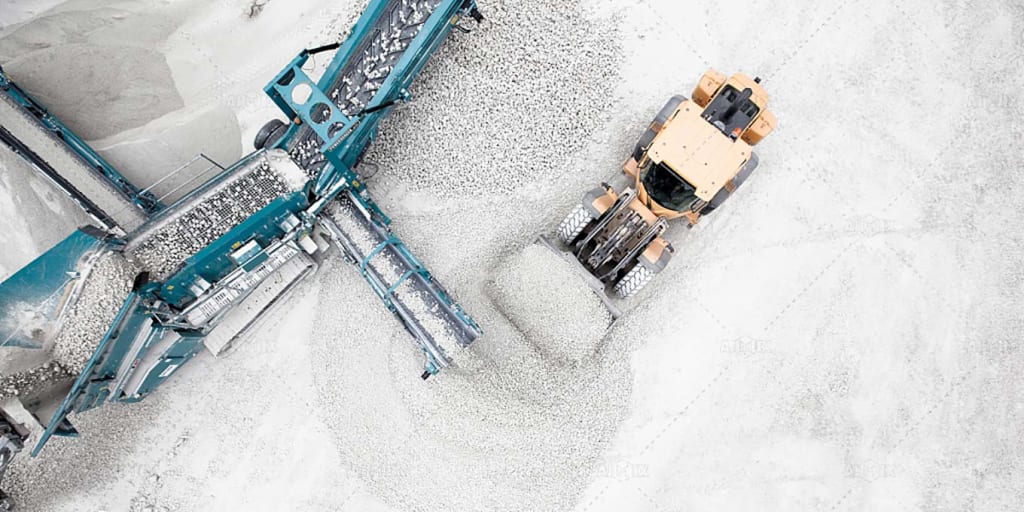
Choosing the right crusher machine for gravel production is a critical decision that can significantly impact the efficiency and quality of the final product. Various types of crushers are available, each with its unique advantages and disadvantages. Understanding the role of crusher gravel in gravel production, evaluating the different types of machines, and considering essential factors in the selection process are crucial steps for any operation aiming to produce high-quality gravel.
Understanding Gravel Production
The Role of Crushers in Gravel Production
Crushers play an indispensable role in the production of gravel, a key material used in construction and landscaping. They are responsible for breaking down larger rocks into smaller, usable sizes that meet specific requirements. Without efficient crushing processes, the production of gravel would be labor-intensive and less precise. These machines facilitate the transformation of raw materials into a product that can be used for various applications, from concrete production to drainage systems. The choice of crusher will determine not only the size and shape of the gravel but also the overall quality and consistency of the material produced.

Types of Gravel and Their Applications
Gravel can be categorized into various types, including coarse gravel, fine gravel, and crushed stone. Coarse gravel, characterized by larger particle sizes, is often used for drainage applications, while fine gravel is typically employed in concrete mixes and asphalt production. Crushed stone, produced by crushing larger rocks, is favored for its angular shape, which enhances its interlocking properties in construction. Each type of gravel has its specific applications, and understanding these nuances is essential when selecting the appropriate crushing equipment. Different crushers are more effective for producing specific types of gravel, making it imperative to match the machine to the desired end product.
Evaluating Crusher Machines
Jaw Crushers vs. Cone Crushers
When it comes to choosing a crusher, jaw crushers and cone crushers are two of the most common options available. Jaw crushers are renowned for their simplicity and ruggedness, making them an excellent choice for primary crushing tasks. They operate by compressing material between two jaws, resulting in a high reduction ratio. This type of crusher is particularly effective for larger, harder materials. In contrast, cone crushers are designed for secondary and tertiary crushing stages, providing a more refined output. They utilize a rotating cone within a bowl to crush material, allowing for greater control over the final product's size and shape. Both machines have their merits, and the choice between them should depend on the specific requirements of the gravel production process.
Impact Crushers: Efficiency and Versatility
Impact crushers are another option worth considering when producing gravel. These machines employ high-speed impact forces to fracture material, making them particularly efficient for softer materials and less dense aggregates. The versatility of impact crushers allows them to produce various sizes and shapes of gravel, catering to multiple applications. They are capable of delivering a well-graded product with minimal additional processing. However, their effectiveness can diminish when handling harder materials, which may require pre-crushing or additional processing steps. Evaluating the specific materials to be crushed will help determine whether an impact crusher is a suitable choice for gravel production.

Choosing the Right Crusher for Your Needs
Factors to Consider in Selection
Selecting the right crusher machine requires a comprehensive analysis of several factors. The type of material being processed, the desired output size, production capacity, and operational costs all play significant roles in the decision-making process. Additionally, considerations related to site conditions, such as space constraints and accessibility, can influence the choice of equipment. Understanding these factors will enable operators to select a machine that aligns with their production goals and operational parameters.
The Importance of Cost and Maintenance
Finally, the cost and maintenance requirements of the crusher should not be overlooked. Initial capital expenditure can vary widely among different machines, and it's essential to consider the long-term operating costs associated with maintenance, repairs, and parts replacement. Investing in a higher-quality machine may yield better performance and lower maintenance costs in the long run, ultimately enhancing overall productivity. Careful consideration of both upfront and ongoing costs will ensure that the chosen crusher aligns with budgetary constraints while meeting production needs.
In conclusion, the decision regarding which crusher machine to choose for gravel production is multifaceted. By understanding the roles of different machines, evaluating their features, and considering essential factors, operators can make informed choices that optimize their gravel production processes.
About the Creator
AIMIX
Construction Machine Manufacturer in China. Find Machines here: https://aimixconcretesolution.com/
Writing To Succeed
If you want to find something that will help readers find your writing, possibly expand your audience, and maybe even get you noticed for other things, then you’re not alone. But how can you get it done in a world full of want-to-be writers? Look less at what you’re writing now, and more at what other writers have used to boost their views and reads.
By Jason Ray Morton 2 days ago in Writers
Is Self‑Publishing on Amazon KDP Worth It?
Self‑publishing has transformed the publishing landscape, and Amazon’s Kindle Direct Publishing (KDP) remains the most powerful platform for authors who want creative control, global reach, and the ability to publish on their own terms. Whether you’re releasing your first book or expanding an existing catalog, KDP offers a streamlined path from manuscript to marketplace.
By Kristen Barenthaler3 days ago in Writers



Comments