
Robotics and Drones in Offshore Wind O&M: Revolutionizing Offshore Wind Turbine Maintenance
Revolutionizing Offshore Wind Turbine Maintenance
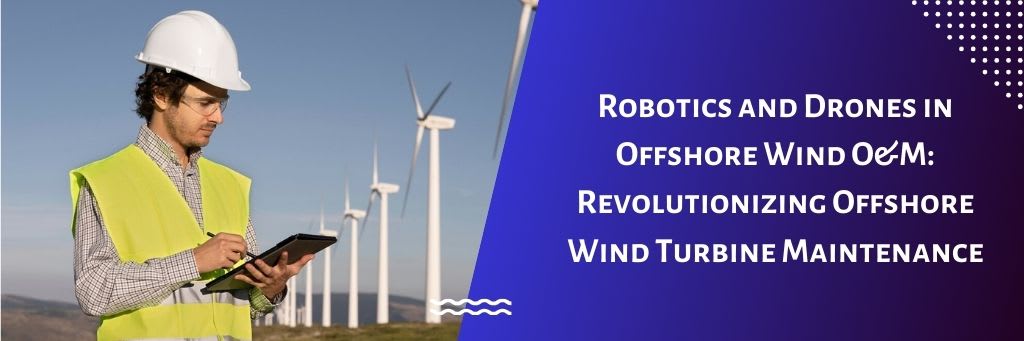
The offshore wind energy sector is evolving rapidly, and with that comes the need for innovative solutions to enhance offshore wind maintenance. Robotics and drones are playing a crucial role in improving efficiency, reducing costs, and enhancing safety. As we step into 2025, the integration of these advanced technologies is no longer a futuristic vision but a reality transforming the industry.
How Robotics and Drones Are Transforming Offshore Wind Turbine Maintenance
1. Enhanced Inspection and Monitoring
Traditionally, offshore wind maintenance required human technicians to conduct inspections, which involved climbing tall turbines and working in hazardous environments. Today, drones and robotic systems offer:
- High-resolution imaging: Drones equipped with thermal and LiDAR sensors provide detailed insights into turbine health.
- AI-powered analysis: Machine learning algorithms detect cracks, corrosion, and mechanical failures faster than manual inspections.
- Real-time data transmission: Operators can monitor turbine conditions remotely, reducing unnecessary site visits.
2. Autonomous Repair and Maintenance
Robots are not just for inspections—they are now performing repairs, significantly reducing downtime. Key developments include:
- Blade repair robots: These automated systems apply coatings and fix cracks without human intervention.
- Underwater drones: These inspect and repair subsea cables, crucial for maintaining connectivity.
- Self-healing materials: Some research in 2025 focuses on materials that autonomously seal small cracks, enhancing turbine longevity.
3. Cost and Time Efficiency
Adopting drones and robotics in offshore wind turbine maintenance reduces operational costs and increases efficiency. Recent reports indicate:
- 30% reduction in maintenance costs by using automated inspection tools.
- 50% faster inspections with drones compared to manual methods.
- Up to 60% decrease in technician deployment for routine maintenance tasks.
4. Safety Improvements
Working at sea and at extreme heights poses significant risks. Robotics and drones help by:
- Eliminating the need for human climbers in high-risk inspections.
- Performing maintenance tasks during harsh weather conditions.
- Reducing exposure to hazardous environments.
Case Studies: Real-World Applications
Ørsteds AI-Driven Drone Inspections
One of the leading offshore wind developers, Ørsted, implemented AI-powered drones for turbine inspections in 2024. The initiative led to:
- 40% increase in inspection accuracy.
- 25% reduction in unexpected failures, improving overall energy output.
Equinor’s Underwater Robots for Subsea Cable Maintenance
Equinor deployed robotic submarines to inspect and repair subsea cables at their North Sea wind farms. The results:
- 20% increase in power transmission efficiency.
- Significant reduction in cable-related outages.
The 4th Annual Offshore Wind Operations and Maintenance Forum 2025
The 4th Annual Offshore Wind Operations and Maintenance Forum (hosted by Leadvent Group) is set to be a pivotal event for industry leaders, innovators, and policymakers. Key highlights include:
- Discussions on next-gen robotics and AI in O&M.
- Case studies from global leaders in offshore wind maintenance.
- Live demonstrations of drone-assisted turbine inspections.
- Networking opportunities with key stakeholders in offshore wind energy.
This event will address the challenges and opportunities in adopting automation and digitalization, ensuring a more efficient and cost-effective offshore wind turbine maintenance process.
Statistics on Robotics and Drones in Offshore Wind O&M
- 85% of offshore wind farms are expected to adopt AI-driven drone inspections by 2026.
- The global offshore wind maintenance market is projected to reach $15 billion by 2030, with robotics playing a key role.
- Autonomous drones have reduced turbine downtime by 40% in some pilot projects.
FAQs
1. How do drones improve offshore wind maintenance?
Drones provide high-resolution imaging and AI-powered analysis, reducing inspection time and costs while improving safety.
2. Can robots perform complex offshore wind turbine maintenance tasks?
Yes, advanced robots are now capable of repairing blade cracks, inspecting subsea cables, and even applying protective coatings autonomously.
3. What challenges remain in adopting robotics for O&M?
Regulatory approvals, high initial costs, and integration with existing infrastructure are some of the key challenges.
4. How can companies benefit from attending the 4th Annual Offshore Wind O&M Forum?
Companies can gain insights into the latest trends, network with industry leaders, and explore innovative solutions to enhance their maintenance strategies.
Conclusion
Robotics and drones are revolutionizing offshore wind turbine maintenance, making operations safer, more cost-effective, and efficient. With technological advancements and increasing adoption, the industry is set to witness unprecedented growth. Events like the 4th Annual Offshore Wind O&M Forum provide a platform to explore these innovations, ensuring a sustainable and high-performing offshore wind sector in the years to come.
About the Creator
A More Mindful Way to Connect: Inside Maude’s Approach to Intimate Wellness
The Rise of Mindful Intimate Wellness in Modern Culture The conversation around intimacy and personal wellness has changed significantly in recent years. Topics that were once considered private or uncomfortable are now being recognized as an essential part of overall well-being. This cultural shift reflects a broader understanding that emotional health, physical comfort, and personal connection are deeply connected.
By Abbasi Publisher3 days ago in Writers
One Unchecked Box
"Republished" because it was the only way to add the embed for the newly recorded audio version of this story due to the Top Story badge. Plus it serves as a nice, informal announcement of the podcast's revival for another season (go subscribe!):
By Stephen A. Roddewig3 days ago in Fiction




Comments
There are no comments for this story
Be the first to respond and start the conversation.