
Technological Innovations in Floating Wind Turbines
These innovations are revolutionizing how we harness wind energy from deep-water locations
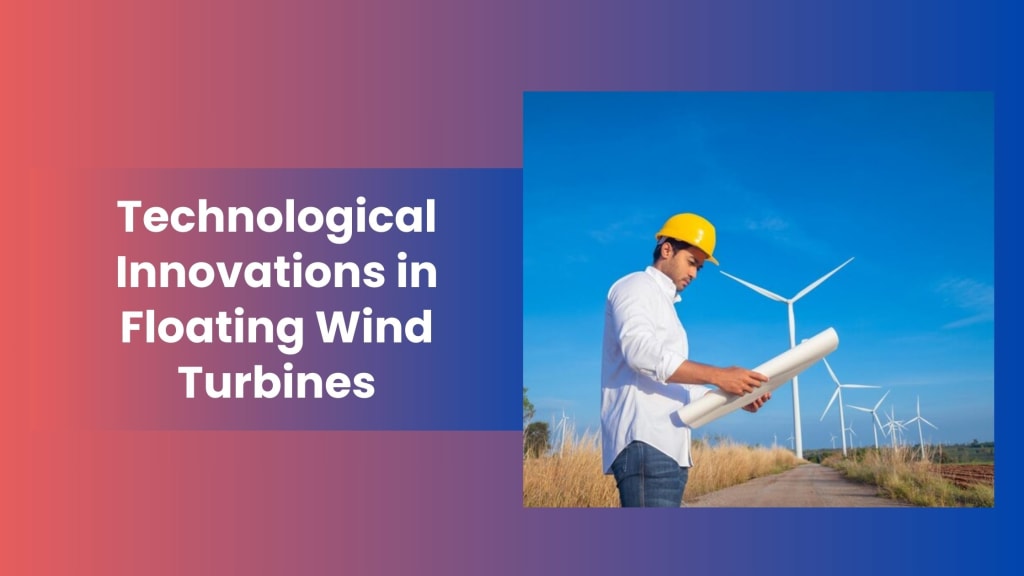
As of 2025, the renewable energy sector is witnessing remarkable advancements, particularly in floating offshore wind technology. These innovations are revolutionizing how we harness wind energy from deep-water locations, offering new possibilities for sustainable power generation.
The Evolution of Floating Wind Turbines
Traditional offshore wind turbines are anchored directly to the seabed, limiting their installation to shallow waters. In contrast, floating offshore wind turbines are mounted on buoyant platforms, secured by mooring lines, allowing them to operate in deeper waters where wind resources are more abundant. This shift not only expands the geographical scope for wind farms but also enhances energy yield.
Key Technological Innovations
- Advanced Floating Platforms: The development of semi-submersible and spar-buoy platforms has improved stability and reduced costs. These designs are engineered to withstand harsh ocean conditions, ensuring longevity and efficiency.
- Enhanced Mooring Systems: Innovations in mooring technology, such as dynamic cables and tension-leg platforms, provide robust anchoring solutions, minimizing movement and optimizing energy capture.
- Integrated Artificial Intelligence in Wind Energy Systems: The incorporation of AI enables real-time monitoring and predictive maintenance, reducing downtime and operational costs. AI algorithms analyze data to forecast potential issues, allowing for proactive interventions.
- Modular Turbine Designs: Modularity facilitates easier assembly and transportation, accelerating deployment timelines and reducing logistical challenges.
Case Study: Kincardine Offshore Wind Farm
The Kincardine project off the coast of Aberdeen, Scotland, exemplifies the successful implementation of floating wind technology. As of 2024, it featured the world's largest floating wind turbines, each capable of powering approximately 35,000 homes. This project demonstrates the viability of large-scale floating wind farms in harnessing deep-water wind resources.
The 5th Annual Floating Wind Europe Conference
To further explore these advancements, the Offshore Wind Conference 2025 is scheduled for March 12-13, 2025, in Amsterdam, Netherlands. This hybrid event will convene over 100 industry leaders and technology experts to discuss the future of floating wind energy.
Event Highlights
- Technological Showcases: Presentations on the latest innovations in floating offshore wind maintenance, including AI-driven solutions and modular designs.
- Expert Panels: Discussions featuring key figures such as Fingal Mckiernan from SSE Renewables and Mareike Leimeister from the Fraunhofer Institute for Wind Energy Systems IWES, focusing on operational challenges and solutions.
- Networking Opportunities: Sessions designed to foster collaboration among stakeholders, facilitating the exchange of ideas and best practices.
- Workshops: Hands-on sessions addressing topics like mooring system innovations and predictive maintenance strategies.
Statistics on Floating Wind Energy
- Projected Growth: By 2030, floating wind capacity is expected to reach 10 GW globally, driven by technological advancements and supportive policies.
- Cost Reduction: Innovations in turbine and platform design have led to a 30% decrease in installation costs over the past five years.
- Energy Potential: Deep-water sites suitable for floating turbines have the potential to generate up to four times more energy than shallow-water locations.
Frequently Asked Questions
Q1: What distinguishes floating wind turbines from traditional offshore turbines?
Floating wind turbines are installed on buoyant platforms anchored in deep waters, whereas traditional turbines are fixed directly to the seabed, limiting them to shallow areas.
Q2: How does Artificial Intelligence in Wind Energy enhance turbine operations?
AI facilitates real-time monitoring and predictive maintenance, identifying potential issues before they lead to failures, thereby improving efficiency and reducing costs.
Q3: What are the primary challenges in floating offshore wind maintenance?
Challenges include ensuring structural stability in harsh ocean conditions, developing reliable mooring systems, and managing the logistics of maintenance operations in remote locations.
Q4: How can I participate in the Offshore Wind Conference 2025?
Interested individuals can register through the official event website to attend either in person or virtually.
Q5: What topics will be covered regarding floating offshore wind maintenance at the conference?
Sessions will delve into the latest maintenance technologies, AI applications, and strategies for extending the lifespan of floating wind installations.
In conclusion, the continuous evolution of floating wind turbine technology is poised to significantly impact the renewable energy landscape. Engagements like the Offshore Wind Conference 2025 provide invaluable platforms for industry stakeholders to collaborate, innovate, and drive the future of sustainable energy forward.
About the Creator
How Media Monitoring Technology Actually Works
Underneath the media monitoring tools is technology that has been developed to address the challenge of finding relevant information regarding a company in a sea of content that is constantly being generated by the millions of sources that exist.
By Katherine Philabout 9 hours ago in Writers


Comments
There are no comments for this story
Be the first to respond and start the conversation.