
Rivers: The Lifelines of Our Planet
Rivers are the lifelines of our planet,...

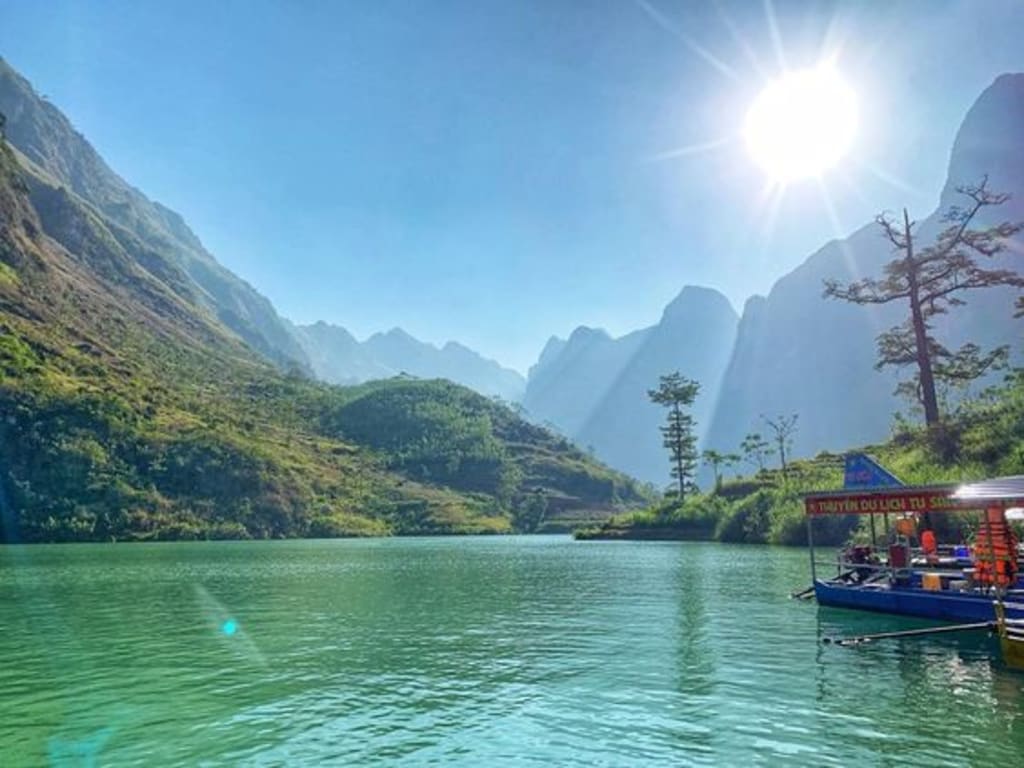
Rivers, with their intricate networks of tributaries, are the unsung heroes of our planet, quietly weaving through diverse landscapes, shaping ecosystems, and nourishing all life. Their significance transcends their role as a source of freshwater. Rivers are not just bodies of water; they are dynamic and complex ecosystems, cultural symbols, transportation arteries, and historical landmarks.
One of the most striking aspects of rivers is their capacity to mold the land. Over millennia, they have carved dramatic features on Earth's surface, leaving their indelible mark on the world. From the majestic canyons etched by the Colorado River in the United States to the sprawling deltas of the Nile in Egypt and the Mekong in Southeast Asia, rivers have left their imprint on the geology of the planet. These geological masterpieces are a testament to the erosive power of flowing water, which, drop by drop, sculpts and transforms the Earth. Riverbanks, enriched by silt and nutrients carried downstream, are often verdant, teeming with vegetation that provides habitats for an array of plant and animal species. The Amazon Rainforest, the world's largest tropical rainforest, thrives thanks to the nourishment supplied by the Amazon River and its numerous tributaries. This exuberant habitat is a biodiversity hotspot, teeming with a wealth of life, from toucans and jaguars to pink dolphins and poison dart frogs.
Yet rivers are not just geologic sculptors and ecological engines; they are also the lifeblood of diverse ecosystems. Rivers create a variety of aquatic habitats and serve as vital corridors for aquatic species. Fish migrations are one of the most remarkable examples of the ecological importance of rivers. Species like salmon and eels undertake epic journeys, often crossing thousands of miles. These migrations are critical for the dispersal of nutrients, genetic diversity, and the health of aquatic ecosystems. The annual upstream migrations of salmon, for example, provide a feast for bears, eagles, and other wildlife, as well as fertilize the surrounding forests with nutrients brought back from the ocean.
Moreover, rivers play a crucial role in shaping the avian world. The banks and floodplains of rivers offer essential breeding and feeding grounds for numerous bird species. Migratory birds, such as sandpipers and waterfowl, depend on these habitats during their long journeys between breeding and wintering areas. This interplay between rivers and birds is an intricate dance, as birds, in turn, help disperse seeds and nutrients that contribute to the health of riparian ecosystems.
Rivers are not only essential for the natural world; they are integral to human existence. Since ancient times, rivers have served as transportation routes, connecting people, cultures, and goods. The Nile River, often referred to as the "gift of the Nile," has been the lifeblood of Egypt for millennia, facilitating agriculture, trade, and settlement along its fertile banks. In China, the Yangtze River has played a similar role, fostering cultural exchange, trade, and agriculture, while the Mississippi River in the United States was once a bustling trade route for steamboats, catalyzing the growth of cities and commerce along its course.
Culturally, rivers have held profound significance. They feature prominently in folklore, art, and literature. River gods, nymphs, and legendary creatures are common themes in mythologies worldwide. Rivers are often used as metaphors for the passage of time, their steady flow serving as a reminder of life's inexorable progression. In the works of famous writers like Mark Twain, rivers become central characters, playing pivotal roles in the narratives. The Mississippi River, for instance, is not merely a geographic feature in "The Adventures of Huckleberry Finn"; it is a symbol of freedom and escape.
Furthermore, rivers hold spiritual importance for many communities. Indigenous cultures frequently view rivers as sacred, attributing profound spiritual significance to these flowing bodies of water. The Ganges River in India, for example, is considered holy by millions of Hindus, who believe that bathing in its waters purifies the soul. Pilgrimages to rivers, lakes, and springs are common in numerous religious traditions, highlighting the deep connection between spirituality and freshwater sources.
Despite their undeniable significance, rivers face an array of challenges today. Pollution from agriculture, industry, and urban development threatens water quality and the health of aquatic ecosystems. Plastics, heavy metals, and chemical pollutants accumulate in rivers, jeopardizing the wellbeing of all life that depends on these waters. The damming of rivers for hydropower, irrigation, and flood control has disrupted natural flow patterns, harmed ecosystems, and displaced communities. While dams serve essential functions, they often come at a high ecological and social cost. Climate change exacerbates these issues, leading to unpredictable weather patterns, altered precipitation regimes, and increased water stress in many regions.
To ensure the longevity of these lifelines, it is crucial to recognize the environmental challenges they face and work collaboratively to protect and restore them. Conservation efforts are vital, as are sustainable management practices. Organizations and governments worldwide are dedicated to preserving and restoring river ecosystems, advocating for clean water and responsible management of these invaluable resources. Finding the right balance between human needs for water resources and the ecological integrity of river systems is a complex task, but it is essential to secure the future of these vital lifelines.
In conclusion, rivers are not mere geographical features; they are the arteries of our world, connecting and nurturing all life. They shape landscapes, support biodiversity, and have played an indelible role in human history and culture. Rivers are more than just flowing water; they are complex, intricate, and invaluable ecosystems that demand our attention and protection. Rivers are the lifeblood of our planet, and it is our responsibility to ensure they continue to flow freely and abundantly for generations to come.
About the Creator
Meredith
My passion for writing is an endless, never-ending creative journey.
How to Hire a Virtual Assistant for Personal Organisation and Scheduling
If your calendar feels like a battlefield back-to-back meetings, personal errands, rescheduling, missed reminders you’re not alone. In 2025–2026, more professionals and founders are hiring a virtual assistant (VA) not for “extra help,” but to build a system that keeps life and work running smoothly.
By Michael Coplin5 days ago in Writers
Miss Persephone's Manual to a Seemingly Ordinary Life
Miss Persephone was found at the dining table, her blue eyes swollen, her tears arriving and retreating like the tides of the ocean. Earlier that day, her family had visited her in the retirement home where she had lived for eight years. It was her eightieth birthday.
By Imola Tóth3 days ago in Fiction




Comments
There are no comments for this story
Be the first to respond and start the conversation.