

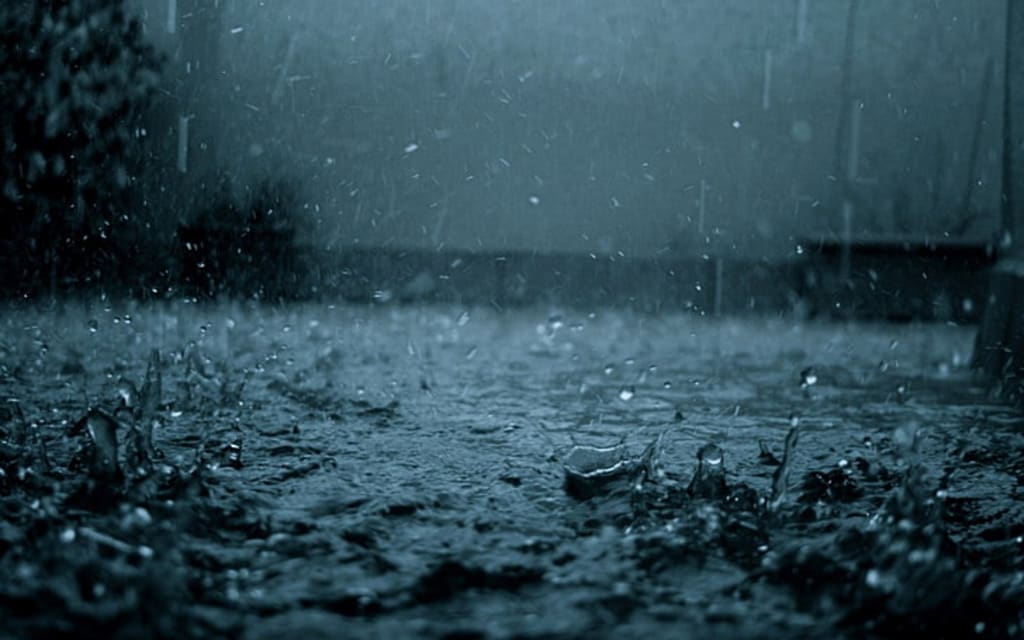
Rain, with its rhythmic patter and refreshing scent, often evokes a sense of aesthetic beauty. It can transform dull landscapes into scenes of serene splendor, prompting poets, artists, and everyday observers to acclaim its virtues. Yet, while rain is aesthetic to many, it holds a more complex and less romanticized reality for others. This blog explores the dual nature of rain's impact, capturing both its beauty and its burdens.
The Aesthetic Appeal of Rain:
Rain has a remarkable ability to enhance the natural world. The sight of raindrops gushing down on leaves, the gentle ripples on a puddle’s surface, and the sound of rain tapping on a window create a sensory experience that many find deeply soothing. This connection to nature's cycles can bring a sense of peace, making rain a favorite subject in literature and art. The sound of rain can act as a natural white noise, often used in recordings to help people relax or fall asleep. The smell of rain, scientifically known as petrichor, is a unique and pleasant scent that many find nostalgic, reminding them of childhood and simpler times.
The Other Side: Rain’s Challenges and Hardships
Despite its aesthetic allure, rain can also be a source of significant discomfort and danger. For those without adequate shelter, rain means exposure to the elements, leading to health risks and discomfort. Flooding, a direct consequence of heavy rainfall, can devastate communities, destroying homes, infrastructure, and lives. Farmers can face ruined crops and financial instability due to unseasonal or excessive rain. Urban areas may experience traffic disruptions, increased accidents, and infrastructure strain. In developing regions, inadequate drainage systems can worsen these problems, leading to prolonged periods of hardship and disease outbreaks.
Bridging the Perception Gap:
Understanding the dual nature of rain requires a subtle perspective. While one person may find comfort in the sound of rain, another may dread the onset of a storm due to the potential for damage and disruption. It’s essential to acknowledge these diverse experiences to foster empathy and awareness. Art and media often highlight the beauty of rain, but there is a need for balanced representation that also considers the struggles it can bring.
So, rain in its essence, is a powerful and multifaceted force. Its aesthetic qualities have inspired countless works of art and provided moments of tranquility for many. However, for others, rain is a source of anxiety and hardship. Recognizing and respecting these varying experiences allows for a more comprehensive appreciation of rain’s role in our lives. Ultimately, rain’s true beauty lies in its complexity, encompassing both the soothing and the stormy aspects of its nature.



Comments (1)
Thank you for your interesting and exciting stories. Follow my stories now.