
Plugged-In Progress Shaping the Future of EV Charging
The landscape of transportation is undergoing a dramatic transformation, driven by an accelerated shift towards electric vehicles (EVs).
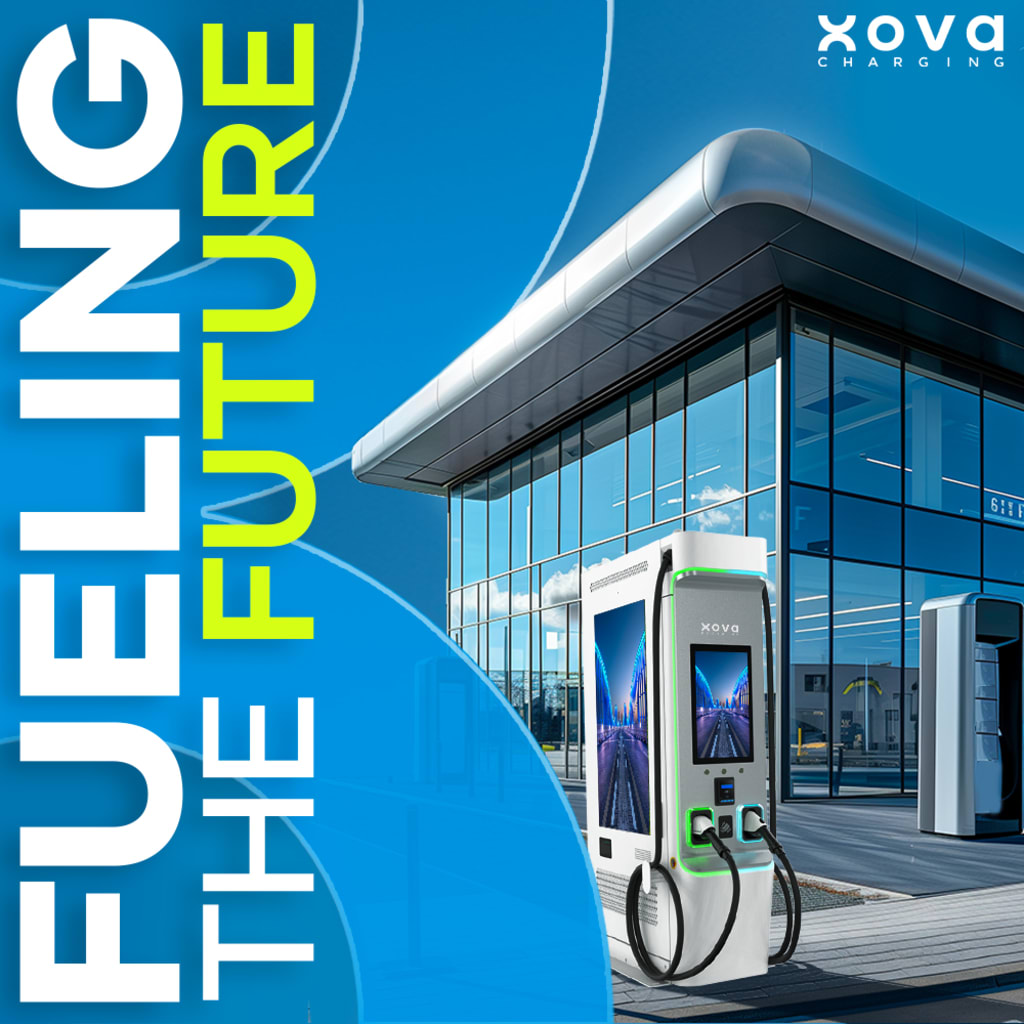
The landscape of transportation is undergoing a dramatic transformation, driven by an accelerated shift towards electric vehicles (EVs). As governments, businesses, and consumers embrace this clean-energy revolution, the evolution of EV charging infrastructure plays a crucial role in shaping the future of mobility. This article explores how progress in EV charging technology and infrastructure is forging a path towards a more sustainable and efficient future, with a focus on utilities, charging stations, and marinas.
The Evolution of EV Charging Technology
EV charging technology has come a long way from its nascent stages. Initially, charging was a cumbersome process, often requiring hours to replenish a vehicle’s battery. Today, advancements have made charging faster, more convenient, and accessible. Modern charging solutions include Level 1, Level 2, and DC fast charging, each catering to different needs and environments. Level 1 chargers, which use standard household outlets, are ideal for home use but are slower. Level 2 chargers, typically installed in public and commercial locations, offer significantly faster charging times. DC fast chargers are the pinnacle of rapid charging technology, capable of replenishing up to 80% of a vehicle's battery in around 30 minutes.
The rapid advancements in charging technology are not just about speed; they also focus on efficiency and user experience. Smart charging systems now integrate with mobile apps, allowing users to monitor and manage their charging sessions remotely. Furthermore, vehicle-to-grid (V2G) technology is emerging, enabling EVs to not only draw power from the grid but also feed energy back, supporting grid stability and potentially reducing energy costs.
The Role of Utilities in EV Charging
Utilities are central to the evolution of EV charging infrastructure. As the adoption of electric vehicles grows, so does the demand for electricity. This shift necessitates a strategic approach to managing increased loads on the power grid. Utilities are increasingly investing in smart grid technologies and renewable energy sources to accommodate the rising energy needs of EVs while maintaining grid reliability.
One of the critical aspects of this integration is the development of ev charging for utilities. These solutions involve setting up and managing charging stations that are not only efficient but also align with grid capacity and energy distribution. Utilities are collaborating with technology providers to implement advanced metering systems, which help in monitoring and managing energy consumption. These systems enable dynamic pricing models, where the cost of charging can vary based on demand, incentivizing off-peak usage and reducing strain on the grid.
In addition, utilities are exploring innovative approaches such as vehicle-to-grid (V2G) systems, which allow EVs to contribute stored energy back to the grid. This capability helps balance supply and demand, particularly during peak times, and supports the integration of intermittent renewable energy sources like wind and solar. As utilities adapt to these new challenges, their role in EV charging infrastructure becomes increasingly pivotal in ensuring a seamless transition to electric mobility.
The Expansion of Charging Stations
Charging stations are the backbone of the EV infrastructure ecosystem. The expansion of these stations is vital for supporting the growing number of electric vehicles on the road. Strategic placement of charging stations is crucial to avoid range anxiety, where drivers worry about running out of battery before reaching a charging point.
The development of charging networks is evolving with a focus on accessibility and convenience. Companies are investing in a combination of public and private charging stations, including high-speed chargers located at key transit points such as highways, shopping centers, and business districts. The integration of these stations into everyday infrastructure aims to make EV charging as seamless as refueling a traditional vehicle.
Moreover, the design and functionality of charging stations are becoming more sophisticated. Modern stations often feature user-friendly interfaces, real-time availability information, and payment options integrated with mobile apps. Some even offer amenities such as Wi-Fi and lounges, making the charging experience more pleasant for users.
The push for more widespread charging stations is also driving collaborations between businesses, municipalities, and private investors. Public-private partnerships are becoming more common, helping to fund and deploy charging infrastructure in underserved areas and ensuring equitable access to EV charging across different regions.
EV Charging for Marinas
One of the emerging sectors in the EV charging landscape is the maritime industry, where the focus is on integrating EV charging infrastructure with marina facilities. As the adoption of electric boats and watercraft grows, there is a burgeoning need for EV charging solutions tailored to marinas.
Charging stations for marinas are designed to accommodate the unique requirements of marine vessels. These stations must be robust and resistant to harsh marine environments, ensuring safety and reliability. They also need to provide sufficient power to handle the larger batteries found in electric boats. Integrating these charging stations into existing marina infrastructure involves careful planning to ensure that they complement other facilities and do not disrupt marine operations.
Marinas are increasingly viewing EV charging for marinas not only as a service enhancement but also as a way to attract environmentally conscious customers. By offering charging options for electric boats, marinas position themselves as forward-thinking and sustainable, appealing to a growing demographic of eco-friendly boaters.
Conclusion
The progress in EV charging technology and infrastructure is shaping a future where electric vehicles become a mainstream mode of transportation. Utilities play a crucial role in this evolution, ensuring that the increased demand for electricity is managed efficiently while integrating innovative solutions like V2G systems. The expansion of charging stations is vital for addressing range anxiety and enhancing convenience, with a focus on strategic placement and user experience.
Furthermore, the development of EV charging solutions for marinas highlights the expanding scope of electric mobility beyond land transportation. As the world continues to embrace electric vehicles, the evolution of EV charging infrastructure will be a key driver in achieving a sustainable and efficient future of transportation.
In summary, the journey towards a future dominated by electric vehicles is powered by ongoing advancements in charging technology and infrastructure. The collective efforts of utilities, businesses, and innovative solutions are paving the way for a cleaner, more connected world where electric vehicles and their associated charging needs are seamlessly integrated into our daily lives.
About the Creator
Keep reading
More stories from Jack Harry and writers in Writers and other communities.
Xova Energy's Corporate Social Responsibility Initiatives
Corporate Social Responsibility (CSR) has become a cornerstone for modern businesses, reflecting their commitment to sustainability, ethical practices, and community development. Xova Energy, a prominent player in the energy sector, has embraced CSR as a core element of its business strategy, aiming not only to maximize shareholder value but also to contribute positively to society and the environment.
By Jack Harry2 years ago in Serve


Comments (1)
Thanks for sharing