
Mutation: The Hidden Engine of Life and the Key to Evolution
The Changing Code of Life: Mutation

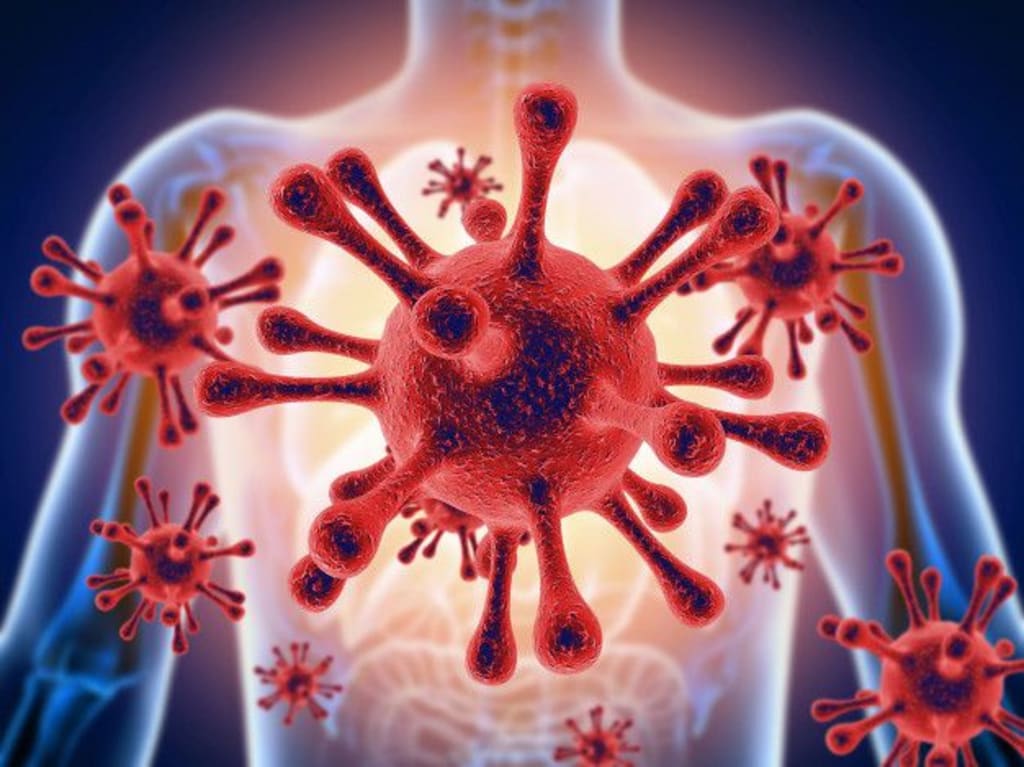
Isn’t life itself a grand tale of transformation? From the depths of the universe to the tiniest cell on Earth, everything is in a constant state of flux. Stars are born, galaxies expand, seasons shift… And perhaps the most fascinating reflection of this cosmic dance lies within the genetic code of living beings. Over billions of years, how did life evolve from single-celled organisms to massive mammals with intricate systems? The answer lies in a subtle yet powerful force: mutation those tiny, often unnoticed genetic leaps that can radically alter the course of life.
Just imagine: a small “typo” in your genetic code can sometimes trigger a devastating disease, but at other times it can ignite a brand-new trait, an unexpected advantage something that rewrites the evolutionary story of an entire species. Though mutations may seem like simple “errors” in our DNA, they are actually the stars of life’s ever-changing script. In this article, we’ll pull back the curtain on mutations how they happen, the forms they take, and the incredible role they play in the rich diversity of life on our planet.
What Is a Mutation? Critical Edits in Our Genetic Book
A mutation is nothing more than a permanent change in the DNA (or RNA, in some viruses) sequence. Think of life’s instruction manual written in a four-letter alphabet: Adenine (A), Thymine (T), Guanine (G), and Cytosine ©. Each sequence of these letters represents a gene, a specific instruction. Our cells read these instructions to build proteins, which carry out every function in our bodies.
So, what does a tiny “spelling mistake” in this genetic book really mean? That, right there, is a mutation! This change can be as small as:
• A single letter being swapped,
or as large as:
• A whole sentence or paragraph (a gene or chromosome segment) being deleted, duplicated, or moved elsewhere.
The key point is that the change must be permanent and heritable passed on to new cells during division. If a mutation occurs in reproductive cells (sperm or egg), it can be inherited and become part of a family’s genetic legacy. If it occurs in body cells (somatic cells), its effects are usually limited to the individual.
While we often think of mutations as mistakes or flaws, they are, in fact, the very foundation of evolution and biodiversity.
We’ve explored the fascinating details of this topic in our full article.
Visit our website to learn more and don’t forget to follow us for more quick insights like this one!
About the Creator
Nedir Life
We Believe Information Should Be Clear and Worth Your Time. Let’s face it. Finding real, reliable information online is not easy anymore.
🧐 ❓ 👉 nedir.life
Keep reading
More stories from Nedir Life and writers in Writers and other communities.
What Is DeepSeek?
DeepSeek is a modern, multi-layered technology platform developed in the field of artificial intelligence and large language models (LLMs). It specializes in natural language processing (NLP), machine learning, and multilingual AI capabilities. While it shares foundational similarities with models from major players like OpenAI, Google DeepMind, or Meta AI, DeepSeek sets itself apart with a clear mission: to build culturally aware, multilingual models that go beyond English-only frameworks and offer accessible AI solutions for a broader global audience.
By Nedir Life9 months ago in Writers
Why Cybersecurity Is Critical for Modern Businesses in the Digital Age
As businesses continue to adopt digital technologies, cybersecurity has become one of the most important aspects of modern business management. Companies store large amounts of sensitive information online, including customer data, financial records, and internal communications. While technology helps organizations operate more efficiently, it also exposes them to various cyber threats.
By Backlinks Cart3 days ago in Writers




Comments
There are no comments for this story
Be the first to respond and start the conversation.