
Mastering Boat Docking: Essential Tips and Techniques by Boating Madness
Boat Docking Essential Tips
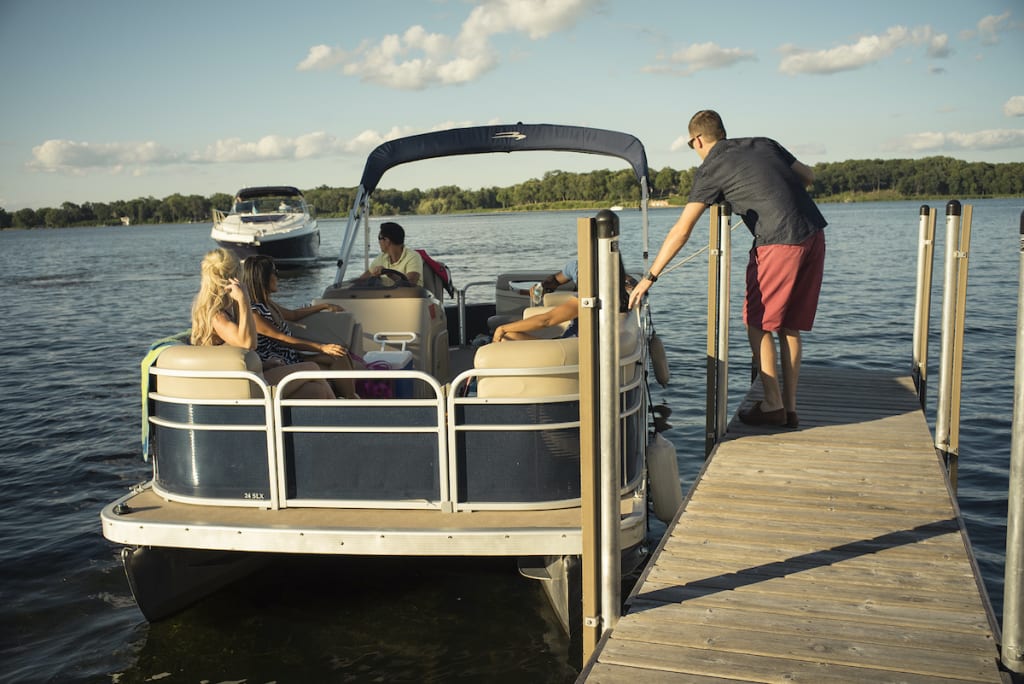
Boat docking is a fundamental skill that every boater must master to ensure smooth and safe arrivals at the dock. Whether you're a seasoned sailor or a novice boat owner, understanding the nuances of docking can enhance your boating experience and prevent potential mishaps. At Boating Madness, we're committed to providing you with practical advice and expert tips to help you perfect your docking technique. In this blog, we'll explore key strategies, common challenges, and essential tips for mastering the art of boat docking.
Understanding the Basics of Boat Docking
1. Types of Docks:
Floating Docks: These docks rise and fall with the water level, making them adaptable to changing tides.
Fixed Docks: Attached to the shore with pilings, fixed docks remain at a constant height and may require careful adjustments during varying water levels.
Pilings: Vertical posts driven into the water, used for securing boats with lines or fenders.
2. Docking Equipment:
Lines: Use sturdy docking lines to secure your boat. Different types include bow lines, stern lines, and spring lines.
Fenders: Protect your boat’s hull from damage by placing fenders between the boat and the dock.
Cleats: Metal fittings on the dock where you can tie your lines.
Preparing for Docking
1. Assess the Docking Area:
Wind and Current: Consider the wind direction and water current, as these factors will affect your docking approach.
Dock Layout: Examine the layout of the dock, including available space and the location of other boats.
2. Plan Your Approach:
Docking Plan: Decide on the best approach based on the wind and current. Typically, it’s easier to dock into the wind.
Slow and Steady: Approach the dock at a slow speed to give yourself time to make adjustments and avoid sudden movements.
Step-by-Step Docking Techniques
1. Approach the Dock:
Align the Boat: Position the boat parallel to the dock if docking alongside, or angle it appropriately if you’re docking stern-in or bow-in.
Throttle Control: Use the throttle to control your speed. Aim for a gentle approach to avoid hitting the dock too hard.
2. Use Docking Lines:
Bow Line: Throw a bow line to a dockhand or secure it to a cleat on the dock. This line helps to control the boat’s forward movement.
Stern Line: Secure a stern line to the dock to stabilize the rear of the boat.
Spring Lines: Use spring lines to prevent the boat from moving forward or backward.
3. Adjusting the Boat:
Maneuvering: Use the boat’s throttle and steering to fine-tune your position. Small adjustments can help you align with the dock more precisely.
Reverse Gear: Engage reverse gear carefully to inch the boat closer to the dock if needed.
4. Securing the Boat:
Tie the Lines: Once the boat is properly positioned, tie the lines securely to the dock cleats.
Check the Fit: Ensure that the boat is snug against the dock without excessive movement. Adjust the lines if necessary.
Common Docking Challenges and Solutions
1. Wind and Current:
Wind Gusts: Use the wind to your advantage by approaching the dock from upwind. This helps slow the boat as you approach.
Strong Current: Align the boat at a slight angle to the current to compensate for drift and maintain control.
2. Docking in Tight Spaces:
Short Distances: When docking in tight spaces, use precise throttle control and make gradual adjustments.
Docking Assist: Utilize a docking assist device or request help from dockhands if available.
3. Night Docking:
Lighting: Use navigation lights and dock lights to improve visibility.
Communicate: Communicate with your crew to ensure everyone is aware of the docking plan.
Safety Tips for Docking
1. Maintain a Safe Speed:
Controlled Speed: Always approach the dock at a controlled speed to minimize the risk of damage.
2. Watch for Obstacles:
Surroundings: Keep an eye out for obstacles such as other boats, dock structures, or floating debris.
3. Use Proper Lines and Equipment:
Quality Lines: Use strong and durable lines that are appropriate for the size and weight of your boat.
Regular Maintenance: Inspect docking equipment regularly to ensure it’s in good condition.
Practice and Refinement
1. Docking Drills:
Simulate Conditions: Practice docking in various conditions, including different wind and current scenarios.
Frequent Practice: Regular practice helps build confidence and improves your docking skills.
2. Seek Feedback:
Crew Input: Request feedback from your crew or experienced boaters to identify areas for improvement.
Professional Training: Consider taking a boating course or hiring a professional instructor to refine your technique.
Advanced Docking Techniques
1. Parallel Parking:
Align the Boat: Approach the dock at a slight angle, then straighten the boat as you get closer.
Sideways Movement: Use the boat’s thrust to make sideways adjustments as you approach the dock.
2. Stern-In Docking:
Approach Backwards: Align the boat’s stern towards the dock and reverse slowly.
Use of Bow Thrusters: If equipped, use bow thrusters to assist with alignment.
3. Bow-In Docking:
Enter Forward: Approach the dock with the bow first and use the stern line to secure the rear.
Maneuver Carefully: Make small adjustments to ensure the bow is securely positioned.
Conclusion
Mastering boat docking requires a blend of technique, practice, and situational awareness. By understanding the basics, preparing thoroughly, and honing your skills, you can approach docking with confidence and precision. Whether you're docking alongside, stern-in, or bow-in, following these tips and techniques will enhance your boating experience and ensure safe and efficient arrivals at the dock.
At Boating Madness, we’re dedicated to helping you excel in all aspects of boating. Embrace the challenge of docking with these expert tips, and enjoy the satisfaction of a perfectly executed arrival. Stay tuned for more boating insights, tips, and adventures from Boating Madness. Safe travels and happy docking!
About the Creator
Keep reading
More stories from hamza awan and writers in Writers and other communities.
Helix Piercing Aftercare: The Ultimate Guide for a Safe and Stylish Healing Process
Helix piercings are a bold and fashionable way to express your personality. Positioned along the upper cartilage of the ear, they offer a sleek, edgy look that pairs beautifully with everything from minimalist studs to statement hoops. But as stylish as they are, helix piercings require a bit more care than standard lobe piercings. That’s why helix piercing aftercare is crucial for a safe healing process and long-term success.
By hamza awan9 months ago in Writers




Comments (1)
The more you sail, the more you will find the way.