
Machine Learning in Healthcare: Redefining Patient Care and Innovation
Unlocking New Possibilities for Personalized and Predictive Medicine

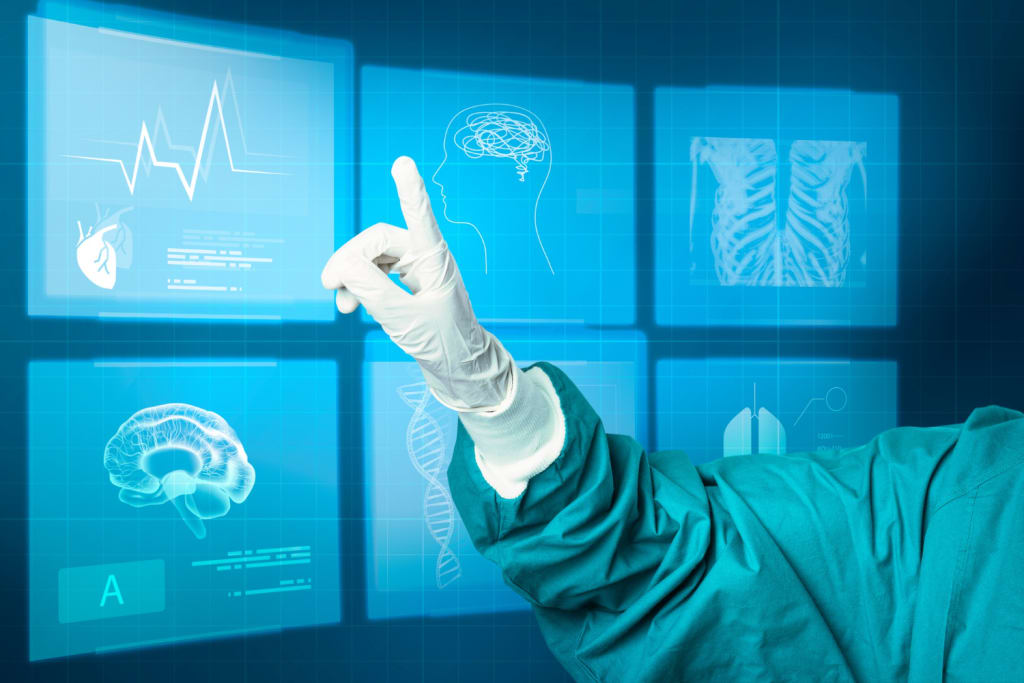
In recent years, machine learning (ML) has dramatically altered how healthcare operates, advancing from a promising technology to a vital tool in medical diagnostics, patient care, and treatment strategies. As ML algorithms become more sophisticated, their application in healthcare is reshaping clinical processes, enhancing patient care, and opening up new frontiers in medical research.
In this blog, we will explore how machine learning is transforming healthcare, discuss its core applications, and examine the obstacles to its broader implementation.
The Core of Machine Learning in Healthcare
Machine learning is a branch of artificial intelligence (AI) that allows systems to learn and improve through experience without being explicitly programmed. In healthcare, ML models analyze large datasets, identify patterns, and make decisions that aid in diagnosis, treatment, and patient management.
The beauty of ML lies in its ability to process and learn from vast amounts of medical data—ranging from patient records and medical images to genomic sequences. This capability allows for more accurate diagnostics, predictive healthcare, and personalized medicine.
Key Applications of Machine Learning in Healthcare
- Automated Medical Imaging and Diagnosis
Machine learning is playing a crucial role in medical imaging analysis. Sophisticated algorithms can evaluate X-rays, MRIs, and CT scans to detect anomalies such as tumors or internal injuries that might otherwise go unnoticed. For instance, deep learning models trained on large sets of medical images can detect early signs of breast cancer, lung disease, and neurological conditions faster and with a higher degree of accuracy than traditional methods.
AI-driven imaging tools like those developed by Zebra Medical Vision or Arterys are now being integrated into hospital workflows, significantly improving diagnostic efficiency and precision.
- Predictive Analytics for Risk Assessment
Predictive analytics powered by ML models are transforming how healthcare providers assess patient risk. By analyzing patient history, lifestyle factors, genetic data, and real-time vital signs, ML algorithms can predict the likelihood of diseases like diabetes, heart disease, or stroke well before they manifest.
Hospitals are using predictive models to reduce hospital readmissions, identify at-risk patients, and tailor treatment plans for chronic disease management. A prominent example is the Cleveland Clinic’s AI-based tool that predicts heart failure up to a year in advance using patient data.
- Personalized Medicine and Treatment Plans
One of the most promising uses of ML in healthcare is in personalized medicine. Traditional medicine often relies on a one-size-fits-all approach, but with machine learning, treatments can be tailored to a patient’s unique genetic makeup, lifestyle, and health history.
ML algorithms analyze genetic data to determine how different patients may respond to specific treatments, allowing for more personalized therapeutic approaches. In cancer treatment, for instance, machine learning is enabling oncologists to design targeted therapies that are customized to the molecular and genetic profile of a patient’s tumor, vastly improving outcomes.
- Drug Discovery and Development
The drug discovery process is notoriously slow and expensive, often taking years to bring a single drug to market. Machine learning is changing this by enabling pharmaceutical companies to identify promising drug candidates faster and more efficiently. Algorithms are used to predict how new compounds will interact with various biological targets, helping to identify potential drug failures early in the development process.
DeepMind's AlphaFold, which predicts protein folding with remarkable accuracy, has already started to accelerate drug development by providing insights into complex protein structures, paving the way for new treatments and therapies.
- Patient Monitoring and Remote Care
Wearable devices and remote monitoring technologies generate an overwhelming amount of health data, from heart rate and blood pressure to blood oxygen levels. Machine learning algorithms are making sense of this data, allowing for continuous monitoring and personalized interventions.
This capability is particularly beneficial for managing chronic conditions like diabetes or hypertension. For example, AI-powered platforms can monitor patients remotely, alerting healthcare providers when intervention is necessary. This reduces the need for frequent hospital visits and allows for more proactive, real-time care.
Challenges in Machine Learning Adoption in Healthcare
While machine learning holds enormous potential for healthcare, there are several challenges to its widespread adoption:
- Data Privacy and Ethical Concerns
Healthcare data is highly sensitive, and privacy is a major concern. Regulations like HIPAA in the United States and GDPR in Europe govern how patient data can be used and shared. Ensuring that ML models are compliant with these regulations while maintaining access to large datasets is a delicate balance.
Additionally, there are ethical concerns surrounding the use of AI in healthcare decision-making. Transparency in how algorithms make decisions is crucial, especially in life-and-death situations. AI models need to be interpretable and explainable to build trust among healthcare professionals and patients.
- Data Quality and Accessibility
Machine learning models require large volumes of high-quality data to be effective. However, medical data can often be incomplete, inconsistent, or siloed within different systems. Interoperability between healthcare systems is a significant hurdle that must be addressed to fully leverage the power of ML.
- Bias and Fairness in Algorithms
ML models are only as good as the data they are trained on. If the data is biased—whether due to socio-economic factors, race, or gender—the resulting models will reflect those biases. Addressing these biases is crucial to ensuring that ML applications in healthcare are fair and equitable for all patient populations.
- Integration into Clinical Workflows
Introducing machine learning tools into existing clinical workflows is a logistical challenge. Healthcare providers may be resistant to adopting new technologies, especially if they are perceived as complex or time-consuming. Proper training and user-friendly interfaces are essential for the seamless integration of ML into day-to-day medical practice.
The Future of Machine Learning in Healthcare
The future of machine learning in healthcare looks promising, with ongoing innovations set to further revolutionize the industry. Here are some exciting developments to watch for:
AI-Augmented Telemedicine: Machine learning will enhance telemedicine platforms by enabling real-time diagnostics and personalized treatment recommendations during virtual consultations.
Real-Time Genomic Data Processing: The integration of machine learning with genomic data will further advance personalized medicine, allowing for treatments tailored to an individual's DNA. This will particularly impact areas like oncology and rare genetic diseases.
Improved Early Detection Tools: As machine learning models evolve, they will become even better at detecting early signs of diseases like Alzheimer’s, cancer, and autoimmune disorders, enabling earlier and more effective interventions.
Ethical AI in Healthcare: As machine learning becomes more entrenched in healthcare, ethical considerations will take center stage. Expect greater emphasis on developing transparent, interpretable AI models and addressing algorithmic bias to ensure that healthcare AI benefits everyone.
Conclusion
Machine learning is poised to transform healthcare by improving diagnostic accuracy, personalizing treatments, and enhancing patient outcomes. While there are challenges to overcome, including issues around data privacy, bias, and integration, the benefits of ML are undeniable. As technology continues to evolve, we will see even more innovative applications that will redefine how we approach healthcare.
Be a part of the future with Hi-tech Hub as our application is data-driven, intelligent, and personalized—thanks to the power of machine learning.
About the Creator
Adam Smith
I'm Adam Smith, the Marketing Manager and Content Writer at Hitechhub. I’m passionate about creating innovative marketing strategies and crafting engaging content that drives brand awareness and builds strong customer connections.
Keep reading
More stories from writers in Writers and other communities.
Public Notice
The United States now has a Ministry of Truth, just like the one where Winston Smith worked. Freedom is slavery; ignorance is strength; war is peace. We are here. You are being asked to reject the evidence your eyes and ears have given you for what they tell you. This is not a test.
By Harper Lewis4 days ago in Writers
The Path to Salvation
The late autumn evening air filled the monk's lungs, but it wasn't the season that chilled his bones. The heavy-handed presence of evil he had sensed upon entering the woods surrounding this mountain village had not bothered to conceal itself from him.
By Made in DNA2 days ago in Fiction




Comments
There are no comments for this story
Be the first to respond and start the conversation.