
Luxury Interior Designers’ Guide to Designing Your Dream Kitchen
Modern Kitchen Interiors

Introduction
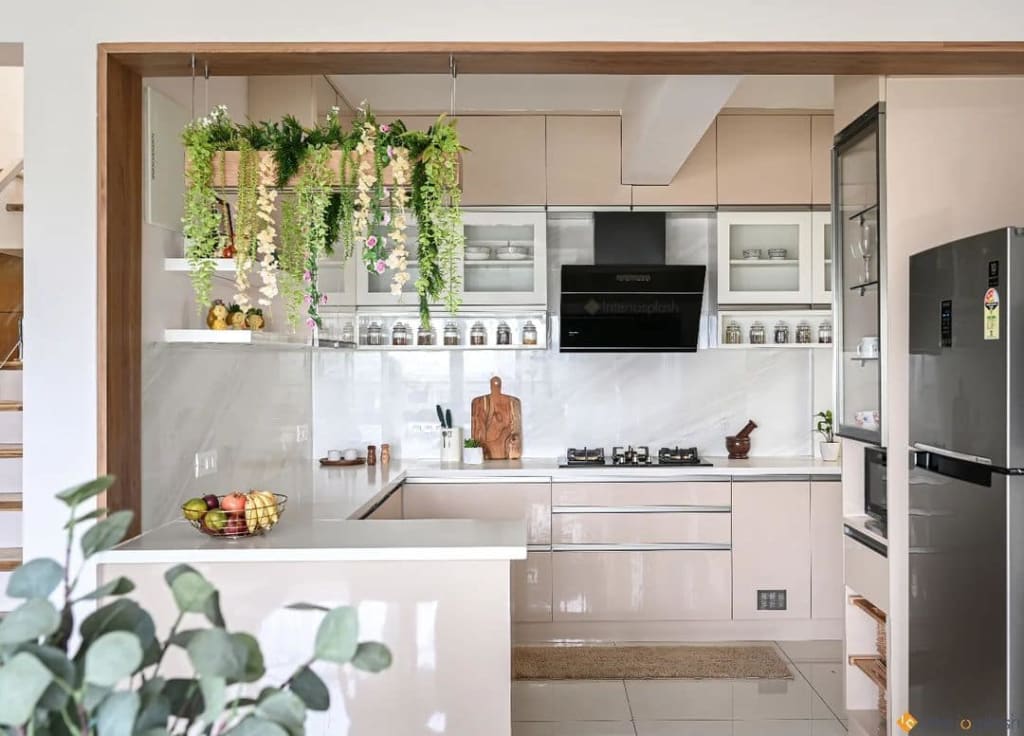
The kitchen is no longer just a place for cooking; it has become a central hub for socializing, entertaining, and creating memories with family and friends. As such, the design of this space requires careful consideration of both form and function. Luxury interior designers in Bangalore bring their expertise to the table, ensuring that every aspect of the kitchen is thoughtfully planned and executed to create a space that is both beautiful and highly functional. In this guide, we’ll explore the essential elements of luxury kitchen design, providing you with inspiration and practical tips to help you design the kitchen of your dreams.
Key Elements of Luxury Kitchen Design
1. Layout and Space Planning
The foundation of any successful kitchen design is a well-thought-out layout. Luxury interior designers emphasize the importance of space planning to ensure that the kitchen is both functional and aesthetically pleasing.
Work Triangle: The classic kitchen work triangle (the relationship between the stove, sink, and refrigerator) is essential for efficient workflow. Designers ensure that these three key areas are positioned in a way that minimizes unnecessary movement.
Open Floor Plan: Modern luxury kitchens often feature open floor plans that allow for seamless integration with adjoining living or dining areas. This not only enhances the sense of space but also facilitates social interaction.
Zoning: Luxury kitchens are designed with specific zones for cooking, prep work, cleaning, and storage. This zoning ensures that each task can be performed efficiently without cluttering the space.
2. High-End Materials and Finishes
One of the defining characteristics of a luxury kitchen is the use of high-quality materials and finishes. Luxury interior designers pay close attention to every detail, selecting materials that not only look stunning but also stand the test of time.
Countertops: Natural stones such as marble, granite, and quartz are popular choices for luxury kitchens. These materials offer durability and a timeless appeal that enhances the overall elegance of the space.
Cabinetry: Custom cabinetry is a hallmark of luxury kitchen design. Designers often opt for solid wood cabinets with intricate detailing, soft-close mechanisms, and high-end hardware.
Flooring: Hardwood, natural stone, and large-format tiles are commonly used for luxury kitchen flooring. These materials provide a sense of grandeur and are easy to maintain.
Backsplashes: A statement backsplash made from materials like glass, metal, or intricately patterned tiles can add a unique touch of luxury to the kitchen.
3. State-of-the-Art Appliances
In a luxury kitchen, appliances are more than just functional tools—they are design elements that contribute to the overall aesthetic. Luxury interior designers carefully select high-end appliances that offer both cutting-edge technology and sleek design.
Professional-Grade Appliances: Brands like Sub-Zero, Wolf, and Miele are favored for their professional-grade performance and elegant designs.
Integrated Appliances: To maintain a seamless look, luxury kitchens often feature integrated appliances that blend into the cabinetry, creating a cohesive and uncluttered appearance.
Smart Technology: Modern luxury kitchens incorporate smart technology, such as Wi-Fi-enabled ovens, touchless faucets, and intelligent lighting systems, to enhance convenience and efficiency.
4. Lighting Design
Lighting is a crucial element in luxury kitchen design, as it not only illuminates the space but also sets the mood and highlights key features. Luxury interior designers use a combination of lighting techniques to achieve the desired ambiance.
Task Lighting: Focused lighting is essential for areas where precision work is done, such as over the countertops, stove, and sink. Under-cabinet lighting is a popular choice for task lighting in luxury kitchens.
Ambient Lighting: Ambient lighting creates a warm and inviting atmosphere. Recessed ceiling lights, pendant lights, and chandeliers are commonly used to provide overall illumination.
Accent Lighting: To highlight architectural details, backsplashes, or artwork, accent lighting is strategically placed to draw attention to these focal points.
5. Customization and Personalization
Luxury interior designers understand that a dream kitchen should reflect the homeowner’s personality and lifestyle. Customization and personalization are key aspects of luxury kitchen design.
Custom Cabinetry: Bespoke cabinetry allows for personalized storage solutions, such as pull-out pantries, spice racks, and custom drawer organizers, tailored to the homeowner’s needs.
Unique Design Elements: Incorporating unique design elements, such as a custom-built island, a statement range hood, or a hand-painted mural, adds a personal touch to the kitchen.
Color Palette: While white and neutral tones are classic choices for luxury kitchens, bold color palettes can be used to create a distinctive and personalized look.
6. Luxury Kitchen Islands
The kitchen island is often the centerpiece of a luxury kitchen, serving as both a functional workspace and a gathering spot. Luxury interior designers focus on creating islands that are not only beautiful but also highly practical.
Multi-Functional Design: Luxury kitchen islands are designed to accommodate multiple functions, such as cooking, dining, and storage. Features like built-in sinks, cooktops, and wine coolers add to the island’s versatility.
Seating: Incorporating seating into the kitchen island design allows for casual dining and social interaction. Barstools with luxurious upholstery add a touch of elegance.
Storage: Ample storage is a must for any kitchen island. Deep drawers, open shelves, and custom cabinetry provide space for cookware, utensils, and other kitchen essentials.
7. Incorporating Nature and Greenery
Bringing elements of nature into the kitchen can enhance the sense of luxury and tranquility. Luxury interior designers often incorporate natural elements and greenery into the kitchen design.
Indoor Plants: Adding indoor plants, such as herbs, succulents, or potted trees, can bring life and color to the kitchen.
Natural Light: Maximizing natural light through large windows or skylights creates a bright and airy atmosphere.
Organic Materials: Using organic materials, such as wood, stone, and natural fibers, adds warmth and texture to the space.
8. Luxury Kitchen Accessories and Details
The finishing touches in a luxury kitchen are what truly set it apart. Luxury interior designers pay close attention to the accessories and details that elevate the space.
High-End Hardware: Choosing high-quality hardware, such as brass or chrome handles and knobs, adds a refined touch to the cabinetry.
Art and Decor: Incorporating artwork, decorative lighting, and luxury kitchen accessories, such as designer cookware and utensils, enhances the overall aesthetic.
Textiles: Luxurious textiles, such as plush rugs, designer towels, and custom-made seat cushions, add comfort and style to the kitchen.
Conclusion
Designing your dream kitchen is a journey that requires careful planning, attention to detail, and a deep understanding of both your personal style and functional needs. By working with luxury interior designers, you can ensure that every aspect of your kitchen is thoughtfully designed to create a space that is not only beautiful but also highly functional. From selecting high-end materials and state-of-the-art appliances to customizing every detail, luxury interior designers bring their expertise to create kitchens that are truly extraordinary.
Incorporate these elements into your kitchen design, and you’ll be well on your way to achieving the luxurious, dream kitchen you’ve always envisioned. Whether you’re renovating your existing space or building a new home, this guide provides the inspiration and practical advice you need to create a kitchen that is a perfect blend of luxury and functionality.
About the Creator
Prabhakaran M
Prabhakar.M is a Marketing Head with 2.5 years of experience in Marketing. Currently, he heads the marketing strategy department at Interiosplash, a renowned Interior Design company based in Bengaluru.
Keep reading
More stories from Prabhakaran M and writers in Writers and other communities.
The New Age of Modern Living: Thanks to Interior Designer Firms
Introduction In the fast-paced world we live in today, our homes have become more than just a place to rest our heads. They have transformed into sanctuaries where we seek comfort, peace, and rejuvenation. This shift in mindset has paved the way for interior designer firms to redefine modern living. By collaborating with these professionals, homeowners can create spaces that not only reflect their personal style but also cater to their unique needs and preferences. Let's delve into how interior designer firms are shaping the new age of modern living.
By Prabhakaran M2 years ago in Lifehack



Comments
There are no comments for this story
Be the first to respond and start the conversation.