
Leadership Conventions Highlight Why Adaptability Is The Future Of The C-Suite
Explore how leadership conventions guide C-suite leaders to embrace adaptability, inspire innovation, strengthen collaboration, and turn change into opportunity.


What if every unexpected shift in your business became the start of something even greater? It’s a question that today’s most forward-thinking leaders are beginning to ask. The modern business landscape moves fast, but those who approach change with curiosity rather than caution are the ones shaping what comes next. Adaptability has become the quiet superpower of the C-suite, helping leaders not only stay afloat in times of transformation but rise stronger because of it.
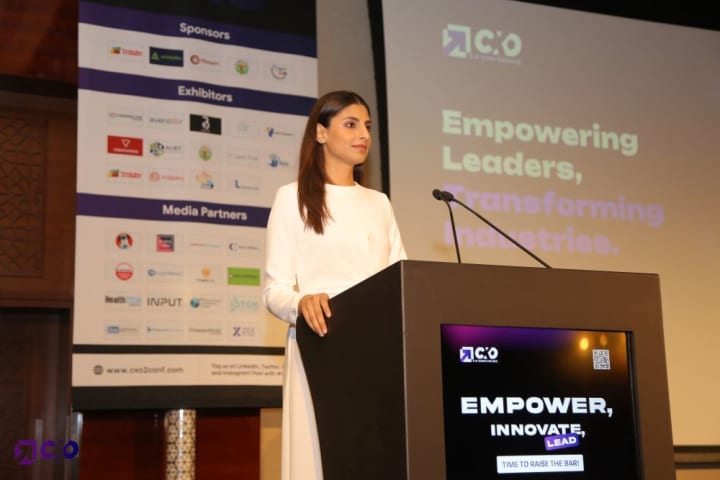
This mindset is being celebrated across global leadership conventions, such as the CXO 2.0 Conference, where executives from around the world are reimagining what it means to lead with confidence and purpose. The consensus is clear: agility once helped organizations stay competitive, but adaptability is what truly allows them to excel. By embracing change as a source of possibility, leaders are discovering new ways to innovate, empower their teams, and build a future that moves forward with intention.
Let’s dive in to explore how adaptive leadership is becoming the next evolution of success in the C-suite.
Moving Beyond Agility To True Adaptability
In leadership, being quick to respond used to be the ultimate advantage. But as the business world grows more complex, speed alone no longer defines success. The leaders making the most significant impact today are those who evolve with purpose and guide their teams through change with calm, thoughtful direction. Adaptability is about more than reacting to what happens; it is about understanding why it happens and adjusting in ways that strengthen both people and strategy. When leaders think adaptively, they replace urgency with insight and use every shift as a chance to improve, refine, and realign. It is not about doing more but about leading with greater clarity, empathy, and intention that keeps organizations strong, no matter how much the landscape transforms.
How Adaptive Leadership Shapes The Modern C-Suite
The way leaders guide organizations is evolving, and adaptability now sits at the center of that change. In a business world that never stands still, successful executives are those who can learn, pivot, and lead with purpose. Adaptive leadership goes beyond managing results or meeting targets. It is about understanding people, embracing learning, and turning change into an opportunity to grow stronger together.
- Adaptive leaders balance confidence with curiosity, staying open to new ideas while remaining grounded in their organization’s values.
- Leaders view challenges as opportunities to rethink strategies and guide their teams through change with calm and clarity.
- Listening with intent and valuing diverse perspectives allows them to make smarter, more inclusive decisions.
- By creating an environment built on trust and shared accountability, they give teams the confidence to take initiative and innovate.
- Adaptability helps these leaders transform uncertainty into progress, turning potential obstacles into catalysts for growth and improvement.
Adaptive leadership equips the C-suite with the mindset and resilience to lead confidently through complexity. Across global leadership events, executives are exploring how adaptability drives innovation and stronger decision-making. These conversations remind leaders that progress begins with learning, evolving, and leading with purpose in times of change.
Key Qualities That Define Adaptive Executives
Adaptive executives combine curiosity, empathy, and strategic thinking to guide their teams through change with confidence. They stay open to learning while making decisions that balance innovation with stability, helping their organizations grow stronger through every transition. Some of them are:
- Vision anchored in values ensures decisions stay true to the organization’s purpose even as strategies evolve.
- Curiosity and openness to learning allow leaders to explore new possibilities and recognize unseen opportunities.
- Confidence in uncertainty helps maintain focus when situations are fluid and outcomes are unclear.
- Empowering others strengthens team ownership and drives innovation at all levels.
- Commitment to continuous growth keeps leaders flexible, grounded, and ready to face whatever comes next.
When these traits work in harmony, they build leaders who inspire action, cultivate trust, and guide organizations through complex times with optimism and clarity.
How Adaptive Leaders Convert Change Into Advantage
Across industries, many inspiring examples show how adaptive leadership turns challenges into opportunities for growth. Under Satya Nadella, Microsoft built a culture grounded in empathy, learning, and curiosity that encouraged innovation at every level. Netflix consistently evolved its model by anticipating audience needs, moving from rentals to streaming and later to original content creation. Airbnb responded creatively to global shifts in travel, refining its approach and strengthening its connection with customers worldwide.
This kind of adaptability is often celebrated at various leadership conventions such as the CXO 2.0 Conference, where executives discuss how forward-thinking leadership can transform uncertainty into momentum. These organizations prove that adaptability is not about reacting quickly but about leading with vision and foresight. It allows leaders to stay relevant, build resilience, and turn every change into a meaningful step toward long-term success.
Embedding Adaptability Into Organizational DNA
Building an adaptive culture begins with leadership's intention and consistency. It starts when executives lead by example, showing curiosity, openness, and a willingness to evolve. When leaders model these behaviors, adaptability moves from being a strategy to becoming part of the company’s everyday mindset.
There are several meaningful ways to make adaptability a lasting part of an organization’s identity:
- Promote open communication and create spaces where people feel comfortable sharing new ideas, insights, and feedback that drive innovation.
- Recognize creativity, learning, and experimentation so teams feel encouraged to take smart risks and explore fresh approaches instead of playing it safe.
- Replace rigid systems with flexible frameworks that make it easier for departments to collaborate, share accountability, and adjust quickly when priorities shift.
4. Encourage cross-functional collaboration to connect diverse skills and perspectives, unlocking new ways to solve complex challenges.
5. Reinforce continuous reflection and learning after each project or decision to capture lessons, celebrate progress, and identify opportunities for improvement.
When adaptability becomes part of how people think and work, it builds a culture of trust and confidence. Experts at various leadership events emphasize that this mindset enables organizations to stay resilient, innovative, and people-centered, even in times of change. When leaders champion adaptability, teams feel empowered to take initiative, embrace new challenges with enthusiasm, and contribute to sustainable, long-term success.

Looking Forward: Building A Future Of Resilient Leadership
The journey toward adaptive leadership is more than a change in management approach; it reflects a deeper transformation in how leaders view growth, collaboration, and long-term success. Adaptability empowers executives to respond to challenges with clarity, encourage innovation, and build organizations that remain strong no matter how the landscape evolves. It is about staying curious, leading with empathy, and guiding teams through uncertainty with a sense of purpose and confidence.
Insights shared at various leadership conventions, such as the CXO 2.0 Conference, highlight how adaptability is becoming the cornerstone of modern leadership. Executives who embrace this mindset are not only prepared for change but also actively shape it, turning uncertainty into opportunity. The future belongs to leaders who continue to learn, evolve, and inspire others to do the same—those who see adaptability not as a skill to master, but as a way to lead with vision and integrity.
About the Creator
CXO 2.0 Conference
The CXO 2.0 Conference brings together the crème de la crème of the corporate world. It is a three-day summit designed to facilitate insightful dialogue among top-tier leaders from globally recognized firms and flourishing startups.
Keep reading
More stories from CXO 2.0 Conference and writers in Writers and other communities.
Leadership Summits Highlight The Rise Of Calibration-Driven Leadership
In a time when business landscapes shift overnight and yesterday’s plans quickly lose relevance, effective leadership is no longer about staying the course. It is about knowing when and how to recalibrate with confidence.
By CXO 2.0 Conference3 months ago in Writers
Emerging Trends in Healthcare RAG Systems
Retrieval-Augmented Generation (RAG) is rapidly evolving in healthcare, driven by the need for accuracy, explainability, and regulatory compliance. Below are the key trends shaping how healthcare organizations are adopting and scaling RAG systems.
By Lilly Scott4 days ago in Writers
Affection and Healing for Yourself
During the night of the last quarter moon, I gathered my ritual supplies. I carefully handled the chunk of black tourmaline that would protect me from your overall negative and narcissistic energy. I carefully walked the house with my stick of selenite in hand, asking the universe to cleanse our working space.
By Alisha Wilkins ✒️🦋🖋️7 days ago in Fiction


Comments
There are no comments for this story
Be the first to respond and start the conversation.