
King Charles Sips Narcotic Brew in Samoa: A Royal Encounter with Kava Tradition
What is Kava?

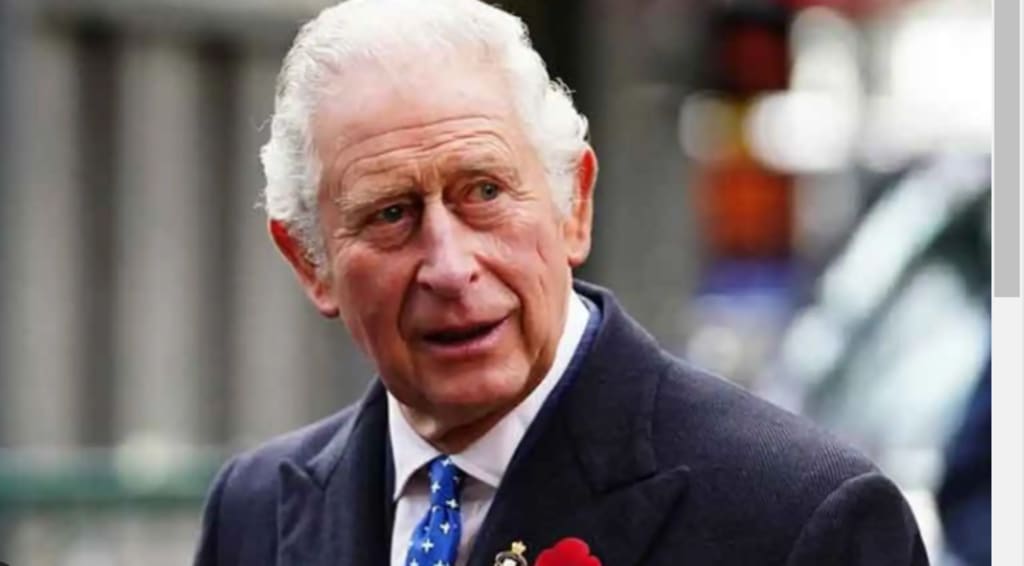
On his recent visit to the Pacific island nation of Samoa, King Charles III engaged in a time-honored tradition that raised both curiosity and admiration: sipping the local kava, a mildly narcotic brew. This event not only made headlines around the world but also demonstrated King Charles’ commitment to embracing indigenous cultures as part of his royal duties. In this blog, we dive into the details of this unique royal experience, the cultural significance of kava, and the broader context of King Charles' visit to Samoa.
What is Kava?
Kava (Piper methysticum) is a plant native to the South Pacific, and its roots are used to prepare a drink with sedative, anesthetic, and euphoric properties. For centuries, kava has been consumed in traditional ceremonies by Pacific Islanders, particularly in Samoa, Fiji, Tonga, and Vanuatu. In Samoa, kava is known as ‘ava, and the drinking of this brew is central to cultural rituals, social gatherings, and community bonding.
The drink, which has a somewhat earthy and bitter taste, induces a mild state of relaxation without the hangover effects typically associated with alcohol. It is revered for its ability to create a sense of calm and is often used to settle disputes, welcome important guests, and celebrate significant events.
King Charles and the Kava Ceremony
During his visit to Samoa, King Charles was treated to a traditional kava ceremony, where he sipped the narcotic brew from a carved wooden bowl, known as a tanoa. This ceremonial act is a gesture of respect and hospitality extended to high-ranking guests. For the Samoan people, the royal family's participation in such a ceremony was a meaningful recognition of their cultural heritage.
The kava ceremony is performed by a tautua, a ceremonial attendant, who prepares the kava by pounding the roots and mixing them with water. The drink is then strained and served in coconut shell cups. In this case, King Charles was served first, a sign of his high status as an honored guest. The monarch respectfully drank from the cup, symbolizing his connection to the people of Samoa and his acknowledgment of their traditions.
The Cultural Significance of Kava in Samoa
Kava is deeply embedded in Samoan culture. It is used in political ceremonies, chiefly gatherings, and religious rituals. In Samoa, the kava ceremony is more than just a social custom; it is an integral part of the fa’a Samoa, or “the Samoan way of life.” The ‘ava ceremony is a symbolic expression of peace, unity, and mutual respect between participants.
By participating in the kava ceremony, King Charles showed his deep understanding of the cultural importance of this ritual. For the people of Samoa, this was a gesture that transcended the act of simply drinking kava—it was a statement of solidarity and respect for their way of life. Such cultural exchanges are vital in fostering diplomatic ties and mutual appreciation between the British monarchy and Pacific Island nations.
The Royal Tour: A Symbol of Sustainability and Climate Action
King Charles' trip to Samoa was part of a broader royal tour of the Pacific, during which he aimed to draw attention to the urgent issue of climate change—a cause close to his heart. The Pacific islands, including Samoa, are among the most vulnerable regions in the world to the effects of climate change. Rising sea levels, increasing temperatures, and extreme weather events pose existential threats to these small island nations.
Throughout his visit, King Charles emphasized the importance of protecting the environment and supporting sustainable development in the Pacific region. By engaging in local traditions like the kava ceremony, the monarch demonstrated his respect for the indigenous practices that have long prioritized living in harmony with nature.
The Impact of the Visit: Strengthening Cultural Diplomacy
King Charles’ participation in the kava ceremony has been widely praised for its symbolic importance. It highlights how cultural diplomacy plays a significant role in strengthening international relationships. The British monarchy, through such gestures, fosters goodwill and understanding between different nations and peoples.
For the people of Samoa, the royal visit and the kava ceremony represent a deepened connection to the British Crown. King Charles has long been a proponent of indigenous rights and environmental stewardship, and his participation in this sacred ritual reinforced his commitment to these causes. Additionally, this event showcased the beauty and uniqueness of Samoan culture to a global audience, helping to preserve and promote these ancient traditions in the modern world.
The Health Benefits and Controversies Around Kava
While kava is celebrated for its calming effects and its role in cultural traditions, it has also been the subject of some controversy. In certain countries, there have been concerns about the potential health risks associated with excessive kava consumption, particularly regarding liver damage. However, scientific studies suggest that moderate consumption of kava, particularly in its traditional form, is generally safe.
The people of Samoa and other Pacific islands have consumed kava for centuries without widespread health issues, and they argue that its natural preparation methods are key to its safety. Today, kava is gaining popularity worldwide as a natural remedy for stress and anxiety, with kava bars opening in cities far beyond the Pacific.
Conclusion: A Royal Gesture with Global Impact
King Charles III's decision to sip kava in Samoa was more than just a ceremonial act; it was a powerful symbol of his dedication to cultural respect, environmental advocacy, and global unity. By participating in this sacred tradition, the monarch not only honored the people of Samoa but also sent a message to the world about the importance of preserving indigenous cultures and protecting our planet.
As King Charles continues his reign, moments like these show how the British monarchy can play a role in bridging cultural divides and raising awareness about the critical challenges facing our world today. His sip of kava will be remembered as a gesture of goodwill, respect, and a commitment to a more sustainable future.
Sources:
- "King Charles III’s Royal Visit to Samoa Highlights Indigenous Culture and Climate Action," The Guardian, October 2024.
- "The Health Benefits and Risks of Kava," Journal of Ethnopharmacology, 2022.
- "Samoan Kava Ceremony: A Symbol of Respect and Unity," Samoa Observer, September 2024.
About the Creator
Global News Update
It cover a wide range of topics including politics, economics, technology, environment, and more from around the world. They often provide insights into significant events, trends, and developments impacting various regions globally.
Keep reading
More stories from Global News Update and writers in Writers and other communities.
North Korea Threatens War with South Korea: Rising Tensions and Global Implications
In a stark escalation of rhetoric, North Korea has recently threatened to declare war on South Korea, igniting concerns about the stability of the Korean Peninsula. This dramatic move has prompted international alarm, with world leaders closely monitoring the situation, given the potential for large-scale conflict in the region. In this blog, we will explore the origins of this recent threat, its possible motivations, and the broader implications for global security and diplomatic relations.
By Global News Updateabout a year ago in Journal
Dude, if you gonna steal my story...at least change the title.
SOOOOOOO! I wrote this 3 (three) months ago. And I just saw this pop up today, 12/3/2026 I am still deciding on which emotion to display here. Rage, ennui, laughter, pity or just downright ire and indifference.
By Novel Allen3 days ago in Writers




Comments
There are no comments for this story
Be the first to respond and start the conversation.