
Key Features to Consider When Buying a Stone Crusher
By focusing on the key features outlined in this guide, you can confidently choose a stone crusher that delivers optimal performance and value for your project.
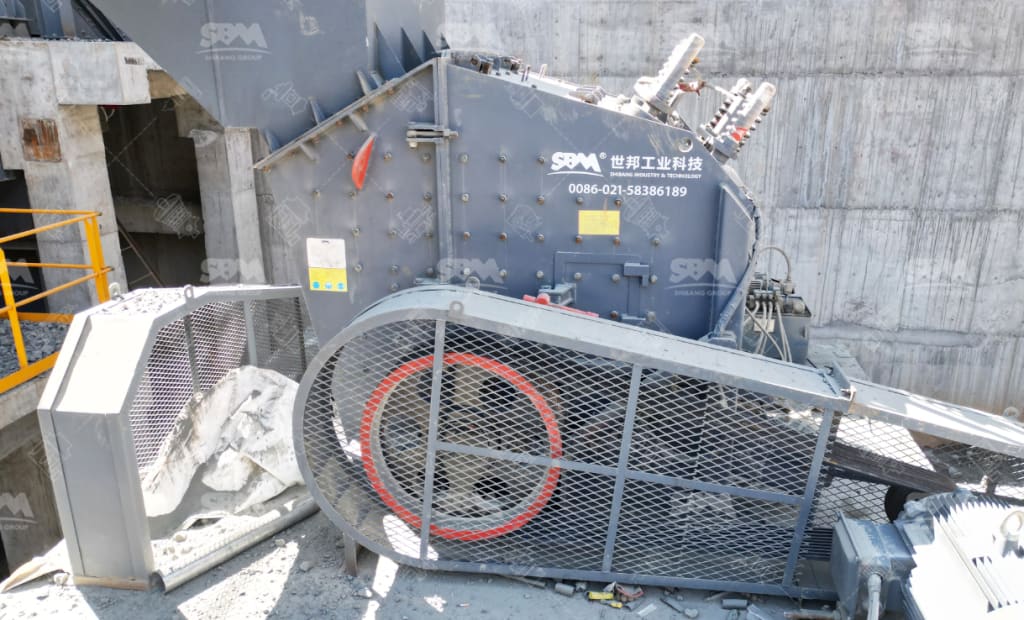
Capacity and Output Size
One of the most critical factors to consider when purchasing a stone crusher is its capacity, which determines how much material it can process in a given time. Capacity is typically measured in tons per hour (TPH) and varies depending on the type and model of the crusher. For large-scale projects, such as mining or major construction, high-capacity crushers are essential to meet production demands.
Equally important is the output size, which refers to the size of the crushed material produced by the crusher. Different applications require different output sizes. For example:
- Coarse aggregates for road construction may require larger output sizes.
- Fine aggregates for concrete production need smaller, more uniform particles.
Modern stone crusher come with adjustable settings that allow operators to control the output size. Look for models with versatile adjustment mechanisms to ensure compatibility with various project requirements.
Material Hardness and Compatibility
Stone crushers are designed to handle different types of materials, ranging from soft limestone to hard granite. The hardness of the material directly impacts the choice of crusher. For instance:
- Jaw crushers are ideal for hard and abrasive materials.
- Impact crushers are better suited for softer materials like limestone.
Before purchasing a stone crusher, evaluate the material properties you’ll be working with, including:
- Compressive strength
- Abrasion index
- Moisture content
Some crushers are equipped with specialized components, such as wear-resistant liners, to handle highly abrasive materials. Ensure the crusher you choose is compatible with the materials you intend to process.
Durability and Build Quality
The durability of a stone crusher is a key factor in its long-term performance and cost-effectiveness. Crushers are subjected to extreme stress and wear, so they must be built to withstand harsh operating conditions. Look for:
- High-quality materials, such as hardened steel for critical components.
- Robust construction to minimize wear and tear.
Additionally, consider the brand reputation and user reviews to gauge the reliability of the equipment. Investing in a durable stone crusher may have a higher upfront cost but will save money in the long run by reducing downtime and repair expenses.
Energy Efficiency
Energy consumption is a significant operational cost for stone crushers, especially in large-scale projects. Energy-efficient crushers not only reduce operational expenses but also minimize environmental impact. Key features to look for include:
- Advanced motor technology for optimized power usage.
- Efficient crushing mechanisms that reduce energy waste.
Some models are equipped with variable frequency drives (VFDs) that allow operators to adjust the motor speed according to the workload, further enhancing energy efficiency.
Maintenance Requirements
Regular maintenance is essential to keep a stone crusher operating at peak performance. When evaluating different models, consider:
- Ease of access to key components for inspection and repair.
- Availability of spare parts and their cost.
- Maintenance schedules recommended by the manufacturer.
Crushers with modular designs simplify maintenance by allowing quick replacement of worn-out parts. Additionally, choose models with automated lubrication systems to reduce manual maintenance efforts.
Portability and Mobility
For projects that require movement across different sites, portability is a crucial feature. Mobile stone crushers are equipped with wheels or tracks, allowing them to be easily transported. Key advantages include:
- Reduced transportation costs for materials.
- Flexibility to move the crusher to the material source.
When choosing a mobile crusher, consider factors such as:
- Weight and dimensions for transportation compliance.
- Setup time for quick deployment.
Automation and Technology Integration
Advancements in technology have led to the development of smart stone crushers equipped with automation features. These include:
- Remote monitoring to track performance and detect issues in real-time.
- Automated adjustment systems for optimizing output size and capacity.
Automation not only improves efficiency but also reduces the need for manual intervention, enhancing safety and productivity.
Safety Features
Stone crushers involve heavy machinery and high-risk operations, making safety features a top priority. Look for:
- Emergency stop buttons for immediate shutdown.
- Guards and shields to protect operators from moving parts.
- Dust suppression systems to minimize health hazards.
Ensure the crusher complies with safety standards and regulations in your region.
Environmental Considerations
Environmental sustainability is becoming increasingly important in the stone crushing industry. Features to look for include:
- Noise reduction technology to minimize sound pollution.
- Dust control systems to reduce airborne particles.
- Energy-efficient designs to lower carbon emissions.
Some crushers are designed to operate on alternative energy sources, such as solar or hybrid systems, further reducing their environmental impact.
Conclusion
Choosing the right stone crusher is a critical decision that can significantly impact the efficiency, cost-effectiveness, and success of your project. By carefully evaluating key features such as capacity, material compatibility, durability, energy efficiency, and maintenance requirements, you can ensure that you select a machine that meets your specific needs. Additionally, considering factors like portability, automation, safety features, and environmental impact will help you make a well-rounded decision that aligns with modern industry standards and sustainability goals.
Investing in a high-quality stone crusher may require a higher upfront cost, but the long-term benefits—such as reduced operational expenses, minimal downtime, and increased productivity—far outweigh the initial investment. Always prioritize reliable brands with a proven track record and ensure that the manufacturer offers robust after-sales support and access to spare parts.
As the stone crushing industry continues to evolve, staying informed about the latest technological advancements and market trends will help you make future-proof decisions. Whether you're in construction, mining, or recycling, the right stone crusher can be a game-changer, transforming raw materials into valuable resources while maximizing efficiency and minimizing environmental impact.
In conclusion, take the time to research, compare, and evaluate your options. By focusing on the key features outlined in this guide, you can confidently choose a stone crusher that delivers optimal performance and value for your project.
About the Creator
Unofficial Challenge: Black History Celebration
Forward: February 28th, 10:53 PM, EST... The final hour of Black History Month, 2026. Hello fellow writers. I've had this challenge waiting in my drafts for most of the month. But I held off on publishing it, until now.
By Sam Spinelli3 days ago in Writers
Flower Bloom 369
FLOWER Bloom 2/25/26 Wednesday By Mariann Carroll Karen had been with Tony for 7 years. Tony started acting strangely after her surgery. He would mow the lawn in the rain and be on his cellphone. He started pushing Karen away. Tony came clean about seeing someone. Karen moved out two months later. Karen moved in with a friend. She felt betrayed.
By Mariann Carroll6 days ago in Fiction


Comments
There are no comments for this story
Be the first to respond and start the conversation.