
Designed with Contractors in Mind: How Long-Term Partnerships Improve Construction Jobsite Canopies
How Long-Term Partnerships Improve Construction Jobsite Canopies

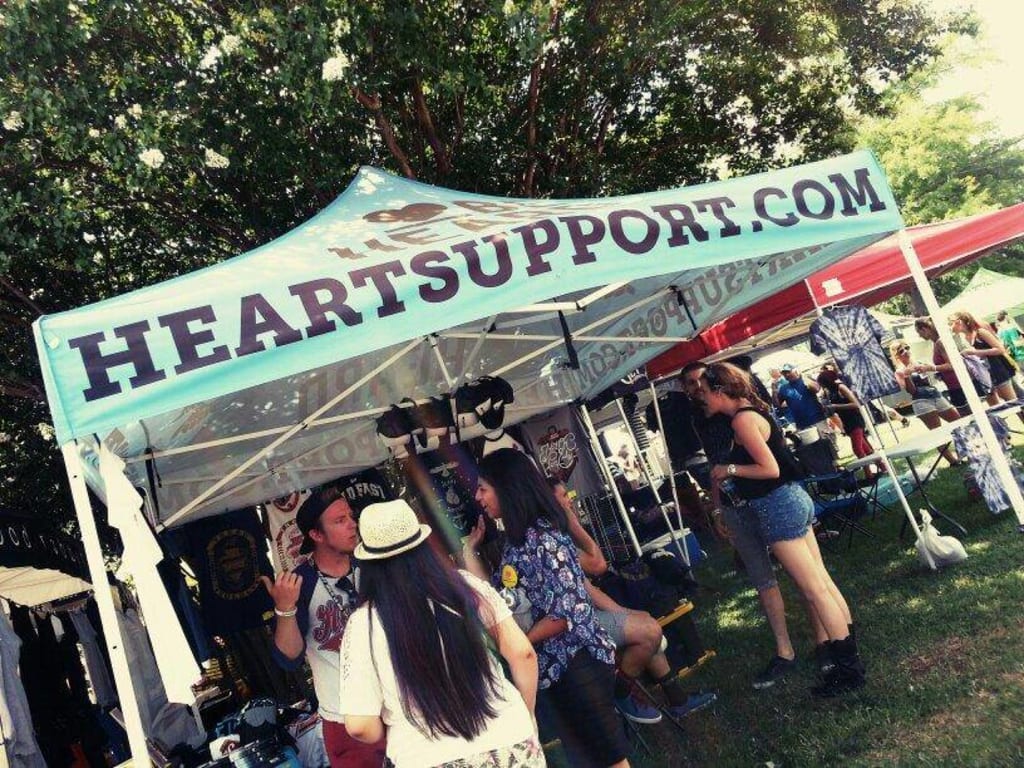
In the construction industry, reliable equipment is essential for maintaining safety, efficiency, and productivity on a jobsite. Contractors face challenging conditions every day—unpredictable weather, heavy machinery, and constantly changing project requirements. One piece of equipment that often goes overlooked but plays a significant role is the canopy tent. Over time, contractors have found that partnering with suppliers who understand the unique needs of construction sites can lead to better long-term solutions for crews and operations.
Long-term partnerships between construction companies and canopy suppliers allow for continuous improvement in tent design. These collaborations ensure that tents are not only durable but also practical for daily use. When suppliers understand the real-world conditions of excavation sites or concrete operations, they can create tents that provide shade, shelter, and organization without interfering with the workflow.
The Role of Canopy Tents on Construction Sites
Construction sites present unique challenges. Tents need to withstand sun, wind, rain, dust, and frequent relocation. Poorly designed tents or low-quality materials can lead to equipment failure, safety risks, and lost time.
By focusing on long-term use, contractors can select tents that meet these requirements consistently. Regular feedback from construction crews allows for incremental improvements in design, such as reinforced frames, durable fabric, and adjustable anchoring systems. These features ensure tents remain functional even in the most demanding conditions.
Teton Earthworks: Excavation in Mountainous Terrain
Teton Earthworks operates in rugged mountainous areas in Wyoming and Idaho, performing site clearing, excavation, and land development. Crews face steep slopes, heavy machinery, and rapidly changing weather. Portable 10x10 tents provide spaces for daily briefings, safety discussions, and small team meetings, while larger 10x15 tents serve as staging areas for crews, equipment, and supervisors.
The long-term collaboration between the contractor and their tent supplier has allowed for the creation of tents specifically suited to these challenges. Reinforced frames and weather-resistant fabric protect both personnel and equipment, ensuring that operations continue safely and efficiently, even during sudden storms or extreme sun exposure.
Master Construction and Engineering: Concrete and Paving
In Dallas, Texas, Master Construction and Engineering operates on large concrete and paving projects that demand precision and coordination. Their 10x10 tents are used for foreman stations, safety briefings, and subcontractor check-ins. Larger 10x15 tents provide space for tool storage, documentation, and crew rotation.
Over time, the feedback from these projects has led to design improvements, such as stronger steel frames for repeated installation, hard-wearing fabrics that resist dust and abrasion, and anchoring systems suitable for both soil and pavement. These adaptations have made the tents a reliable part of the construction process, supporting worker safety and workflow efficiency.
Benefits of Long-Term Supplier Relationships
When contractors maintain long-term relationships with their canopy suppliers, several benefits emerge:
1. Safety Improvements – Tents provide shaded areas that reduce exposure to sun and heat, minimizing health risks for crews.
2. Operational Efficiency – Centralized meeting and staging areas reduce time wasted on coordination, keeping projects on schedule.
3. Consistency – Reliable equipment that withstands repeated use ensures that crews can focus on their tasks without worrying about failing tents.
4. Adapted Design – Continuous feedback allows suppliers to refine tents for specific site conditions, such as uneven terrain or heavy wind exposure.
Strategic Use of Different Tent Sizes
Construction sites benefit from using a mix of tent sizes to meet various needs:
• 10x10 tents – Ideal for small group meetings, supervisor stations, or inspector check-ins.
• 10x15 tents – Suitable for larger crews, equipment storage, and multi-trade coordination.
This approach allows projects to remain flexible, ensuring that workers and equipment are protected while operations continue efficiently.
Long-Term Value
Durable, purpose-built tents are an investment in jobsite safety and workflow. When designed with contractor input and used consistently over several years, tents can significantly reduce operational disruptions, minimize replacement costs, and provide a reliable space for critical on-site activities.
Over time, these long-term partnerships produce equipment that is tailored to the realities of construction sites, creating a standard of reliability that benefits crews, supervisors, and stakeholders alike.
Conclusion
Construction sites are complex and demanding environments. Canopy tents, though often underestimated, are essential for supporting crew safety, organizing workflow, and maintaining efficient operations. Long-term partnerships between contractors and tent suppliers allow for continuous improvement, ensuring that tents meet the practical needs of daily work.
Through years of collaboration, companies working in excavation, land development, concrete, and paving have developed tents that are durable, adaptable, and suited to real-world construction conditions. By focusing on long-term use, contractors can ensure their crews remain safe, productive, and organized, regardless of weather, terrain, or project complexity.
About the Creator
Sonia Rai
I am a content writer
Boundless
A geographical map could take you there. To the places I've been, to the sights I've seen, to the landscapes I've climbed. But no compass could point you in the direction of my memories. To the experiences I've lived, to the happiness I've felt, to the wonder I've held so close to my heart.
By Alyssa Musso5 days ago in Writers
The Accidental Novelist
I never intended to write a novel. But I did. And HarperCollins published it. Titled The Gorgeous Girls, it was based on a number of pieces I'd written for Toronto's NOW magazine. They appeared in NOW's feature, Naked City, which was all about love and sex.
By Marie Wilson2 days ago in Writers




Comments
There are no comments for this story
Be the first to respond and start the conversation.