
Is Mount Everest trekking good for winter?
Trekking to Mount Everest base camp trek in winter
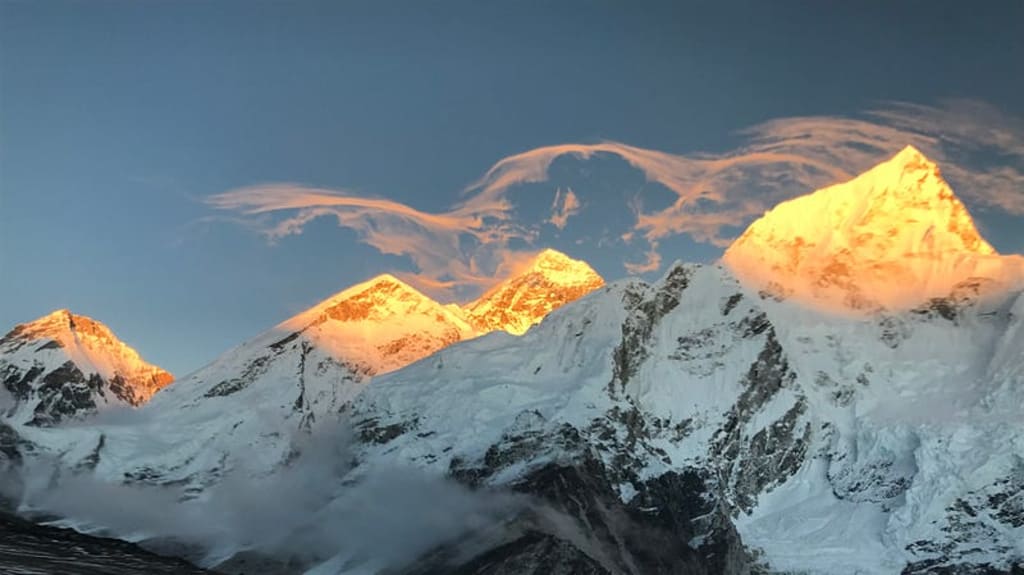
Trekking to Mount Everest base camp trek in winter can be a unique and rewarding experience, but it comes with significant challenges that you should be prepared for. Here are some factors to consider:
Pros of Winter Trekking:
1. Fewer Crowds: The trekking routes to Everest Base Camp (EBC) or beyond are much less crowded in winter, offering a more peaceful and serene experience.
2. Clearer Views: The air tends to be crisper and clearer in winter, which can offer stunning views of the mountains.
3. Snow-Covered Landscape: The winter months bring a beautiful, snow-covered landscape, which can make the trek feel even more magical.
Cons of Winter Trekking:
1. Extreme Cold: Temperatures can drop well below freezing, especially at higher altitudes (EBC and above). You must be prepared for cold weather, particularly at night.
2. Shorter Days: Days are shorter in winter, so you may need to start earlier to ensure you reach your destination before dark.
3. Limited Accommodations: Some teahouses may close during the winter months due to the lower number of trekkers, making accommodation more limited.
4. Potential for Bad Weather: Winter can bring heavier snow and storms, which could lead to trail blockages or delays in your trek.
Tips for Winter Trekking:
• Proper Gear: Invest in high-quality clothing, including thermal layers, a down jacket, gloves, and a good sleeping bag rated for extreme cold.
• Acclimatization: The cold can make acclimatization harder, so take extra care to avoid altitude sickness.
• Weather Awareness: Stay updated on weather forecasts, as winter storms can affect the trek unexpectedly.
If you’re well-prepared for the cold and willing to face the challenges, winter trekking to Everest can be an extraordinary adventure with rewarding solitude and stunning landscapes.
https://www.havenholidaysnepal.com
About the Creator
Keep reading
More stories from Haven Holidays and writers in Writers and other communities.
No Solo Traveler is Allowed to Trek in Langtang Region
New Rule for Trekkers who do Langtang Region Trekking Langtang National Park and Trekking Agencies Association of Nepal (TAAN) has jointly decided to implement the new rule of hiring/taking trekking/nature guide compulsorily by the foreigners while trekking in Langtang National Park. It means, everyone (every foreginer) who is doing or planning Langtang region trekking in Nepal needs hiring at least a guide with them, otherwise, no traveler is permitted to enter in Langtang Naional Park Area or Langtang region.
By Haven Holidays11 months ago in Writers
Average Cost of 2D Animation Outsourcing Projects
Outsourcing 2D animation allows businesses to create explainer videos, ads, onboarding content, and product demos without building an in-house team. In the US market, pricing varies based on animation style, complexity, and production scope.
By Leo Johnsona day ago in Writers
Standing While Falling
Quotation from Friedrich Nietzsche "He who wrestles long with monsters should beware lest he himself become a monster. And if you gaze long into an abyss, the abyss also gazes into you. Man is not destroyed by suffering, but by the meaning he makes of it."
By LUCCIAN LAYTH7 days ago in Critique




Comments
There are no comments for this story
Be the first to respond and start the conversation.