
Imran Khan: The Man Who Refused to Bow
A Journey from World Champion to Political Prisoner


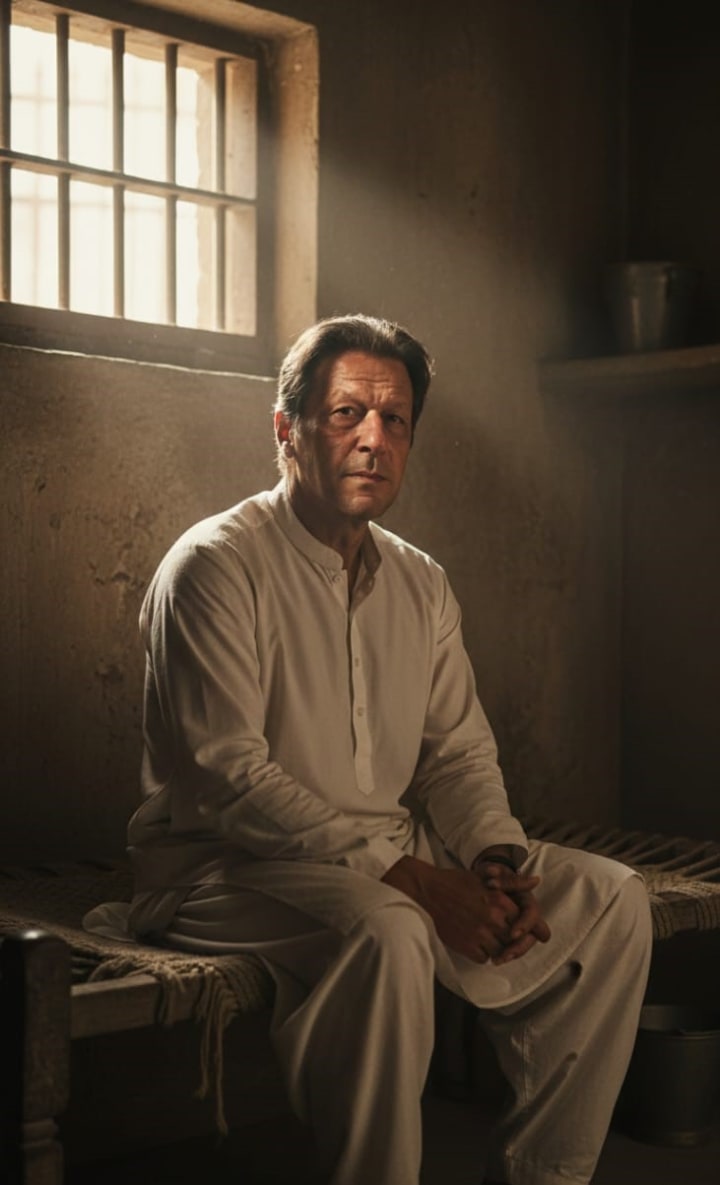
The story opens with a 70-year-old man sitting behind the walls of a prison. His name is Imran Khan. His “crime,” in the eyes of his opponents, is that he gave the youth of Pakistan a voice and a sense of purpose. Many had already written his political obituary, but those who knew him understood he was not someone who gave up easily. He was offered two choices: apologise and walk free, or stay behind bars. He chose to stand firm against the people he believed had looted his country.
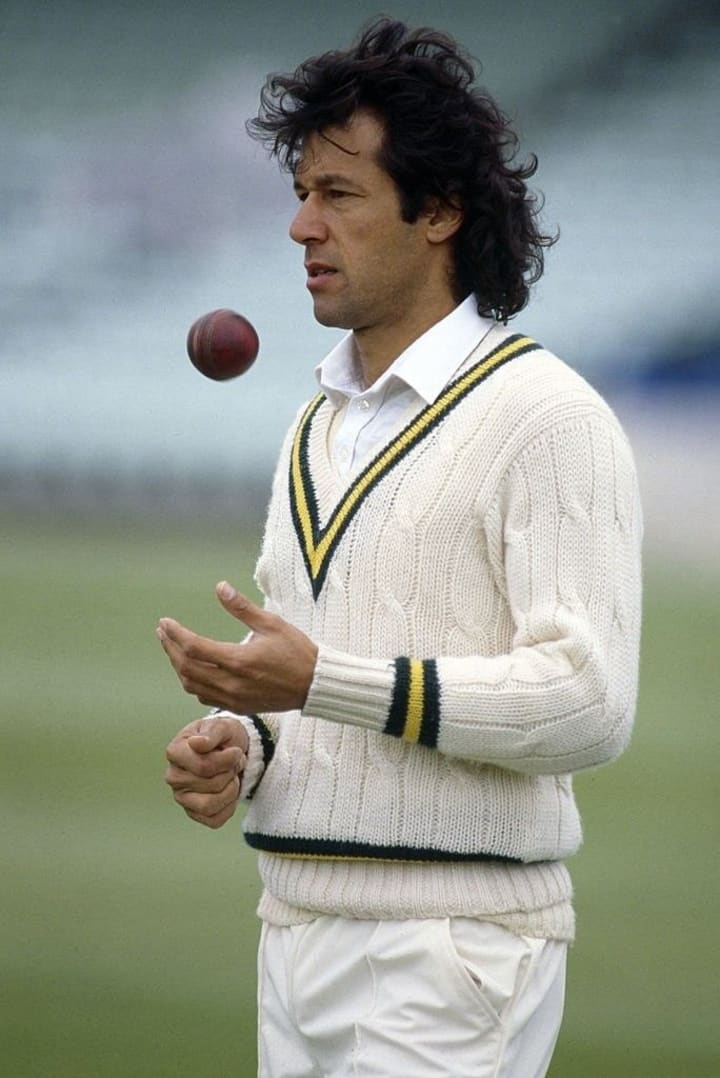
Chapter 1: The Making of a Champion (1952–1992)
Imran Ahmed Khan Niazi was born on October 5, 1952, in Lahore. He grew up in an educated Pashtun family. His father, Ikramullah Khan Niazi, worked as a civil engineer, and his mother, Shaukat Khanum, cared for the home. Sports were a central part of Imran’s childhood. After studying in Lahore, he went on to graduate from Oxford University in England.
Cricket was in his blood. His cousins, Javed Burki and Majid Khan, had already played for Pakistan, and their footsteps guided him toward the national team. Imran made his Test debut in 1971 and his ODI debut in 1974, both against England. His beginning was modest, but his discipline and hard work turned him into one of Pakistan’s finest all-rounders.
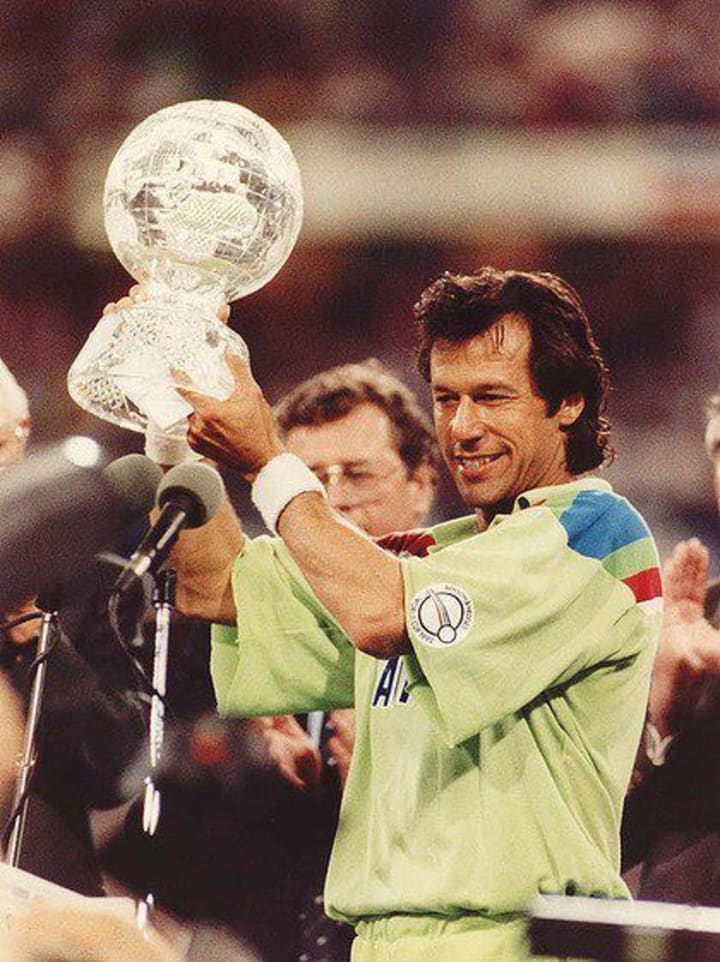
The 1980s were a difficult time for Pakistan cricket. The team was divided and underperforming. The board put their trust in Imran, appointing him as captain. His leadership, belief, and ability to unite the players changed everything. The peak of this journey came in 1992, when he led Pakistan to its first and only Cricket World Cup victory. That win became a symbol of hope for the entire nation and made Imran a global sports icon.
Chapter 2: A Mission of Compassion (1994)
Cricket glory was only one chapter of his life. Imran’s connection with ordinary Pakistanis deepened as he travelled to tribal regions and listened to their struggles. A personal tragedy changed him forever. His mother, Shaukat Khanum, was diagnosed with cancer at a time when Pakistan lacked advanced cancer treatment facilities, especially for the poor.
Her suffering became his mission. Imran decided to build a hospital where anyone, rich or poor, could receive treatment. Many mocked the idea, calling it impossible, but he refused to step back. He travelled across the country, spoke to crowds, collected donations, and put every ounce of his energy into the project. In 1994, the Shaukat Khanum Memorial Cancer Hospital opened its doors. Today, it stands as a lifeline for millions of patients who cannot afford treatment.

Chapter 3: The Long Road to Power (1996–2018)
In 1996, Imran Khan entered politics by founding Pakistan Tehreek-e-Insaf, a movement for justice. His first election in 1997 was a complete failure. Critics mocked him, calling him a “TV politician.” But he kept going.
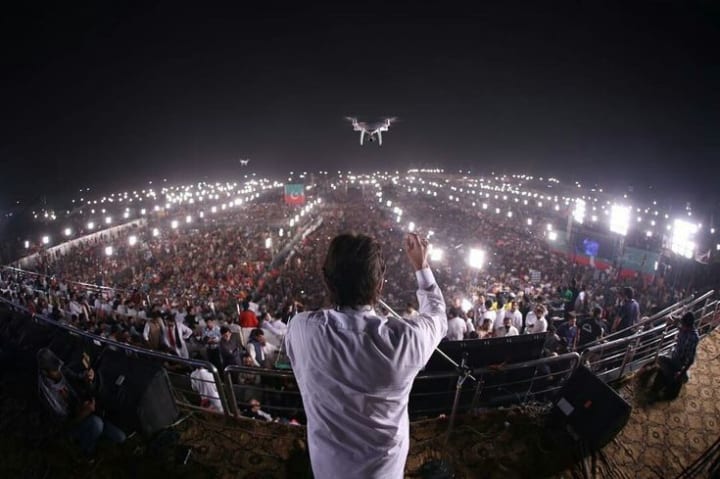
A turning moment came in 2011 at a massive rally at Minar-e-Pakistan in Lahore. The huge crowd silenced his critics and marked his arrival as a serious political contender. PTI’s popularity grew rapidly. In 2013, the party formed a government in Khyber Pakhtunkhwa, though Imran lost at the national level to the country’s traditional political giants.
He continued to campaign across Pakistan, calling for an end to corruption and promising to build a “New Pakistan.”
Chapter 4: The Fall and the Mass Movement (2022–Present)
In 2018, PTI won the general elections, and Imran Khan became Pakistan’s 22nd Prime Minister. His victory was the result of 22 years of political struggle. His government launched welfare programs, including shelter homes and health cards for the poor.
But governing Pakistan proved harder than winning it. He faced constant opposition, economic challenges, and resistance from the country’s entrenched political forces. In April 2022, a no-confidence vote removed him from office. It was the first time in Pakistan’s history that a sitting Prime Minister was ousted through Parliament.
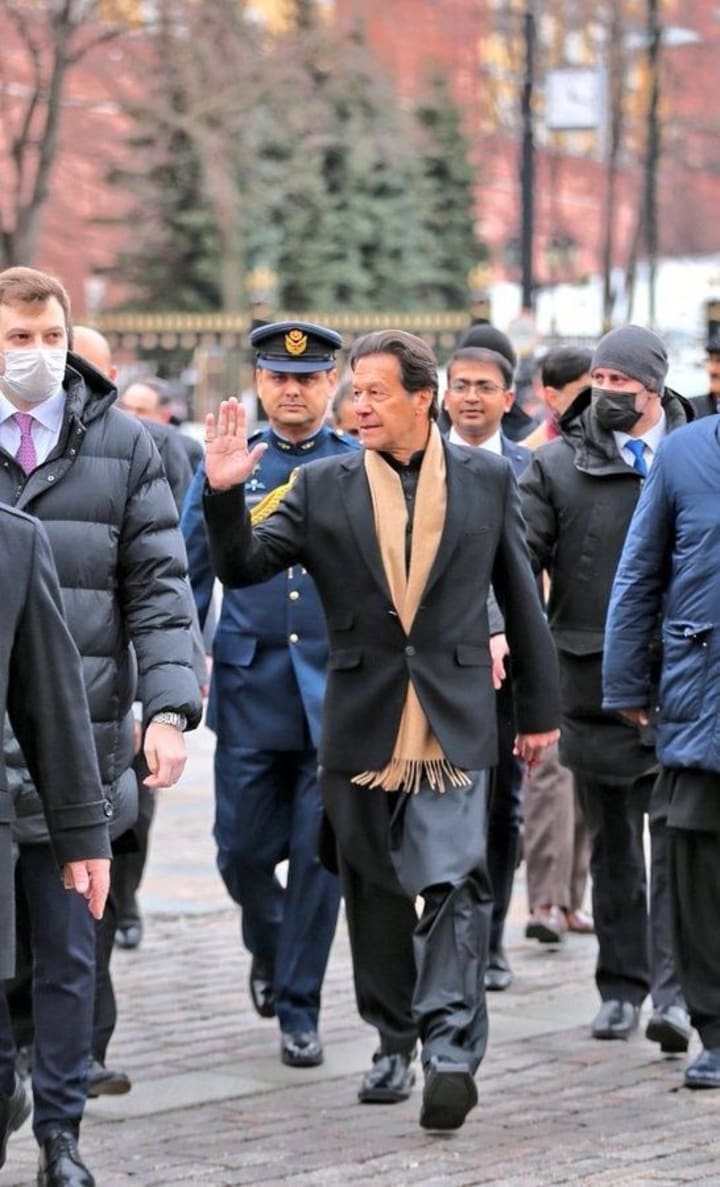
Imran insisted his removal was triggered by an international conspiracy because of his independent foreign policy, especially his outreach to Russia and China. His slogan “Imported Government Unacceptable” spread across the country and sparked large rallies and long marches.
In 2023, a wave of legal cases appeared against him, including the Toshakhana case. His arrest from the Islamabad High Court by paramilitary forces led to nationwide protests and violent clashes.
Despite temporary releases, more cases followed. Imran declared that even if he was jailed, the movement would continue, because it was about the future of Pakistan, not just one man.
Chapter 5: The Imprisonment
In August 2023, a court convicted Imran Khan in the Toshakhana case, sentencing him to three years in prison for allegedly failing to properly declare gifts received as Prime Minister. He was arrested from his home in Lahore, moved first to Attock Jail, and later to Adiala Jail in Rawalpindi.
Although the conviction was later overturned, other legal cases kept him behind bars. Today, the former World Cup–winning captain and former Prime Minister remains imprisoned, locked away but still central to Pakistan’s political conversation. To many, he remains a symbol of resistance. To others, a polarising figure. But one thing is certain: he has never stopped fighting.
About the Creator
Salman Writes
Writer of thoughts that make you think, feel, and smile. I share honest stories, social truths, and simple words with deep meaning. Welcome to the world of Salman Writes — where ideas come to life.
Keep reading
More stories from Salman Writes and writers in Writers and other communities.
The Day I Stopped Resisting God
I didn’t realize how long I had been fighting. Not the world. Not people. But myself. For years, I carried dreams that looked shiny on the outside but were hollow inside. I carried expectations that didn’t belong to me. I carried plans that seemed perfect to me, but were never part of the plan God had written for my life.
By Salman Writes3 months ago in Writers
I (Nearly) Used Amazon's Free ISBN. Here's Why That Was (And Wasn't) A Mistake.
When you publish on Amazon, you have two choices: Use Amazon's free ISBN, or buy your own for $125. I went to choose the free option. Why spend $125 when Amazon offers it for nothing? That's a no-brainer, right?!
By Ellen Francesa day ago in Writers
Winterthorne
Winterthorne stood alone at the edge of the park. The beautiful snow that had surrounded him was all trampled now, from the feet of all of the children who had built him. He missed the sparkly clean snow blanket, but he was happy that so many children had come out to make him.
By Laura DePace7 days ago in Fiction


Comments
There are no comments for this story
Be the first to respond and start the conversation.