
Ibrahim's willpower
A young man's story of self-purification and trust in Allah

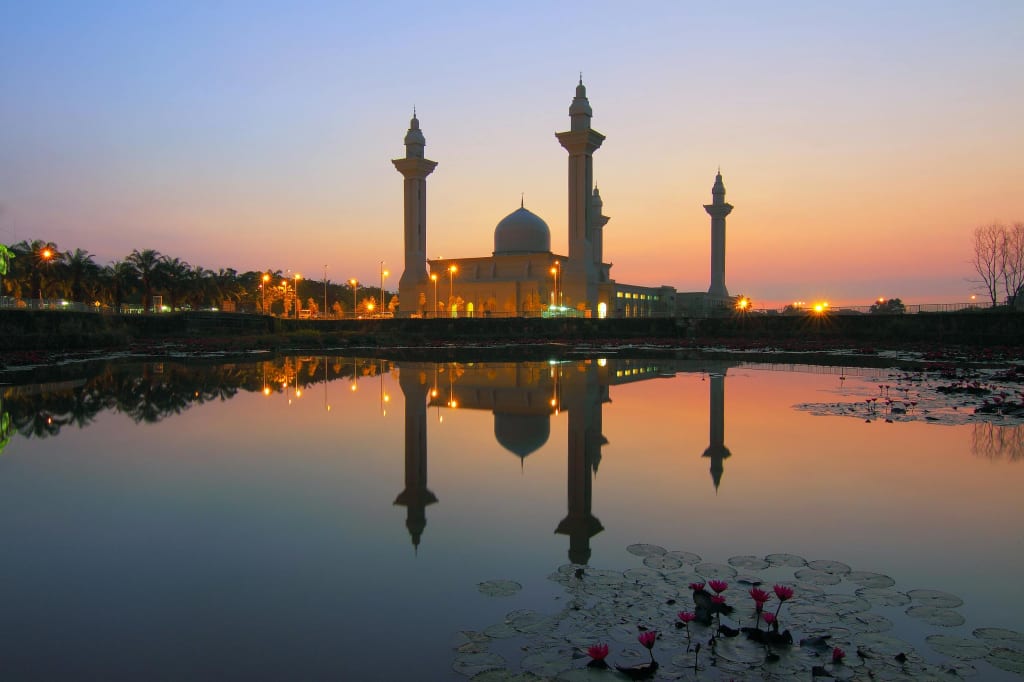
Ibrahim was an ordinary young man, the son of an ordinary family. After completing his Hifz in a mediocre madrasa in the city, he enrolled in an Islamic university. There were no dramatic changes in his life, no revolutions, but rather his soul was developed through small daily struggles. And in the midst of this daily struggle, one day Ibrahim found a glow within himself that gradually turned him into an indomitable warrior.
Ibrahim's biggest crisis was controlling himself—the fight against the self. The glamour of the outside world, the illusion of social media, and the temptation of the consumerist life of the young people around him also gave rise to a kind of war within him. Sometimes he would get lost, then come back. One day after dawn, he said to his teacher, "Hujur, I know that committing sins is forbidden, but sometimes I feel like—let me give up everything, enjoy life. Why is it so difficult?"
The teacher looked at him and smiled lightly. He said, “Ibrahim, do you know? The most difficult war is the war against the self. The Messenger of Allah (peace and blessings of Allah be upon him) said, “A Mujahid is one who fights against his self in the way of Allah. You are on that path.”
These words were etched in Ibrahim’s mind. He thought, yes, indeed, no one knows how he cried at night, no one knows how he shook his hand and erased obscenities from his phone, no one sees how he achieves small victories against the devil in his heart every day.
He began a secret war from then on. In addition to praying five times a day, he would stand up for Tahajjud at night, and memorize the verses of the Quran while keeping their meanings in mind. One day, he was reciting Surah Ash-Shams—“He who purifies his self, he is successful.” That verse became the standard of his life.
Ibrahim’s biggest test came through a friend. His close friend Russell, who had no deep thoughts about religion, one day proposed to Ibrahim—“Listen, there is a scholarship opportunity in Europe, a great life, money, freedom. Just take off your headscarf, don’t go too far with prayer and fasting. Everything will become halal.”
Ibrahim’s eyes became fixed. He knew that such a life was a symbol of wealth and comfort. But he also knew that his inner self would not fit into that life.
He told Russell, “I don’t need to migrate to Europe, my migration is to leave my own self and return to Allah.”
Russell didn’t understand this. Instead, he laughed, mocked, and broke off the relationship.
Ibrahim became alone.
Alone but not destitute. Rather, this loneliness led him to deeper self-reflection. One day, he went to a madrasa in the city and said, “I want to teach here. I don’t need any salary. I just want to give my time to Allah.”
He was still only twenty years old. He taught the Quran to the young boys of the madrasa, sometimes telling them stories of their lives. He would say, “If you learn to cry for Allah in the darkness of the night, then one day this world will be under your feet.”
One day, a student came to him and said, “Master, I don’t know why, but when I see you, it seems like the words of the Quran have come alive.”
Ibrahim knew that he was not a famous person, he did not have any influential identity, but he knew this much—a victory over the nafs is a great reward for Allah. Every day, he would just restrain himself, put a smile on the faces of others, and in the darkness of the night, he would say to Allah—“O my Lord, I know that I am weak, but You know—I try, only for You.”
His story was not published in any newspaper, nor was it written in any book, but one day when he fell ill, his students came and said—“Master, you have shown us the path of the Quran. You are the light of our lives.”
On the last night before his death, he was lying in bed crying. Tears in his eyes, a smile on his face. He was saying, “Oh my Lord, I did not want victory, I did not want fame, I only wanted you to forgive me.”
On the day of his funeral, hundreds of young people from the city suddenly came running. Everyone was saying—“We want to be like him.”
Today, Ibrahim is gone, but one truth from his life keeps coming back—real victory comes silently, by fighting with oneself. And the victory that is for Allah, never fades.
About the Creator
Keep reading
More stories from Abdul Barik and writers in Writers and other communities.
How to Hire a Virtual Assistant for Personal Organisation and Scheduling
If your calendar feels like a battlefield back-to-back meetings, personal errands, rescheduling, missed reminders you’re not alone. In 2025–2026, more professionals and founders are hiring a virtual assistant (VA) not for “extra help,” but to build a system that keeps life and work running smoothly.
By Michael Coplin6 days ago in Writers



Comments
There are no comments for this story
Be the first to respond and start the conversation.