
Hungry Beyond Reason
A Deep Dive into Desire, Drive, and the Danger of Always Wanting More

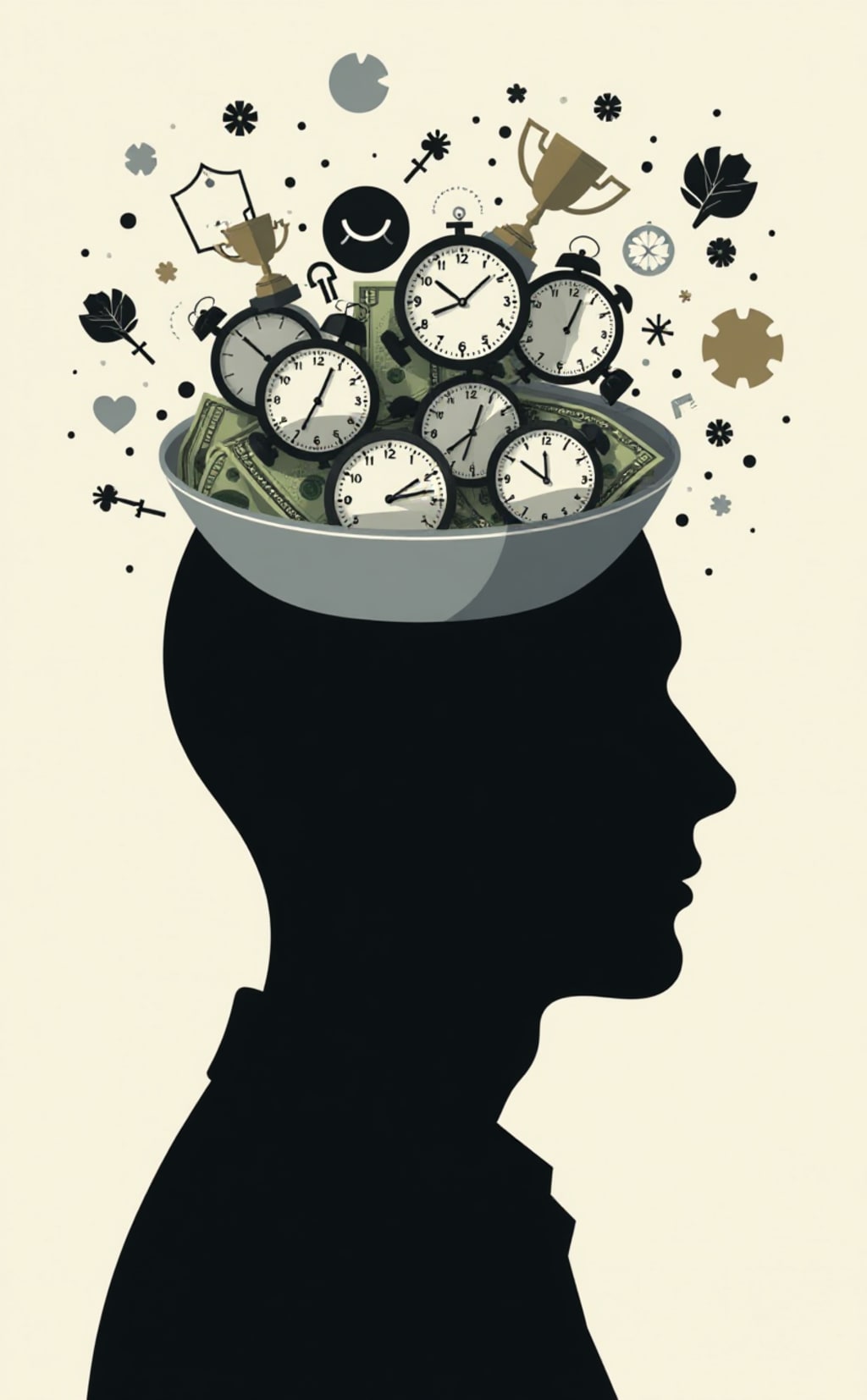
In a world that celebrates hustle culture, glorifies excess, and equates self-worth with productivity, it's no surprise that many of us have become gluttons for more. More success. More likes. More followers. More money. More stuff. We’re constantly chasing the next thing, believing that fulfillment lies just beyond the next milestone.
But what if the real problem isn’t that we don’t have enough—what if the problem is that we never feel like we are enough?
In this article, we’ll explore what it means to be “a glutton for more,” how it shows up in everyday life, and most importantly, how to break free from this cycle of endless craving and rediscover balance, contentment, and purpose.
1. The Psychology Behind the Craving for More
Being "a glutton for more" isn't just about materialism—it's a mindset. It's the deep, often unconscious belief that happiness is always one achievement away. This belief is fueled by a variety of psychological and societal forces:
Social comparison: We constantly compare our lives to highlight reels on social media, feeling like we’re always behind.
Scarcity mindset: We're conditioned to believe that there isn’t enough to go around—so we hoard, overwork, overbuy.
Consumer culture: Advertising tells us that happiness is for sale—if we just buy the next product, download the next app, or upgrade our lifestyle.
Fear of missing out (FOMO): We stay plugged in, overcommitted, and overstimulated to avoid feeling left out or falling behind.
This relentless hunger leaves us emotionally starved and mentally exhausted. It’s like drinking salt water—the more we consume, the thirstier we become.
2. How Gluttony for More Shows Up in Everyday Life
You may not realize it, but this craving for more creeps into every aspect of modern living:
🔹 Overworking
You clock in extra hours, skip vacations, and sacrifice your health in the name of achievement. The reward? Temporary recognition, followed by burnout and a moving target of success.
🔹 Overconsumption
You buy things you don’t need. You binge-watch, overeat, or over-scroll—not out of joy, but out of boredom, numbness, or emotional hunger.
🔹 Overcommitting
You say yes to every opportunity, every invitation, every obligation. Because if you say no, you might miss out—or worse, fall behind.
🔹 Emotional Overload
You constantly seek stimulation—news, drama, gossip, updates—yet feel more disconnected, anxious, and depleted than ever.
If any of this sounds familiar, you're not alone. This craving is part of a larger cultural narrative—but you don’t have to stay trapped in it.
3. The Cost of Wanting Too Much
The pursuit of more comes at a high price—often silently paid in the currency of our health, relationships, and inner peace.
Mental Burnout: Chronic striving leads to anxiety, depression, and decision fatigue.
Physical Decline: Lack of rest and stress-related behaviors weaken the body.
Lost Connection: Chasing success can pull you away from loved ones and meaningful moments.
Identity Confusion: You may begin to tie your worth to what you do or have, not who you are.
When we’re always chasing “more,” we stop appreciating what is. Life becomes a checklist, not an experience.
4. How to Break Free from the Cycle of Craving
Freedom begins with awareness. Here are practical steps to help you shift from constant hunger to conscious contentment:
✅ 1. Define “Enough” for Yourself
Instead of chasing someone else’s version of success, get clear on what a fulfilled life looks like for you. How much money, time, attention, or achievement do you really need to feel secure and happy?
Write it down. Be specific. This is your personal baseline—not society’s.
✅ 2. Practice Mindful Consumption
Before you buy, scroll, or commit, pause. Ask:
Do I need this, or am I trying to fill a void?
Will this bring long-term joy or short-term distraction?
Am I acting out of fear, envy, or habit?
This one-second pause can lead to lifelong changes.
✅ 3. Embrace Minimalism (Not Just in Stuff, But in Life)
Minimalism isn’t about owning fewer things. It’s about making room for what matters most. Say no to excess obligations, toxic relationships, or status-chasing.
Create space to rest, reflect, and be fully present.
✅ 4. Find Joy in the Ordinary
Train your brain to appreciate the now. The smell of coffee. A quiet walk. A genuine conversation. These small moments are where real life happens—not on the other side of your next goal.
Gratitude journals, mindfulness apps, and digital detoxes can help rewire your mind for presence.
✅ 5. Focus on Being, Not Just Doing
Shift your self-worth from “I achieve, therefore I am” to “I exist, therefore I matter.” You are not your resume. You are not your follower count. You are not your productivity.
Spend time in stillness, creative expression, or spiritual practices that reconnect you with your deeper self.
5. The Path to Wholeness: Becoming Full, Not Just Fed
True fulfillment doesn’t come from having more—it comes from being more. More present. More connected. More aligned with your values. When you realize you already have enough—and are enough—you stop grasping, and start living.
You can still strive. You can still dream. But now, it’s from a place of abundance, not desperation.
About the Creator
Keep reading
More stories from Habibullah khan and writers in Writers and other communities.
How to Stay Safe and Strong in a Troubled Society
In today’s fast-paced, hyperconnected world, social challenges can seem overwhelming. From bullying in schools and toxic workplaces to the increasing threat of online scams, addiction, and social isolation, it’s easy to feel vulnerable. But the truth is, you don’t have to face these struggles unprepared. You can build mental strength, set healthy boundaries, and take charge of your well-being.
By Habibullah khan 10 months ago in Writers
The Darkness He Called Home
He did not want a way out. He wanted company in the dark. It is dark in here. Not the kind of darkness that simply falls when the Sun goes down, but the kind that clings - damp, cold, airless. It settles on my skin like a second layer, seeps into my lungs, presses against my ribs. The walls sweat. The ground is unstable. Even silence feels wet here.
By Gabriella Reti4 days ago in Writers
Why Didn't Anyone Tell Us
Men, move along. This is not for you. This is for the women. I was forty-five when I began menopause. It is pretty young for that to be going on in a woman’s life, but I had undiagnosed PCOS, my entire life. Thank you to all the gynecologists I had seen my entire life. That in itself should encourage women to keep seeking second opinions, especially when you are not getting correct answers or any at all.
By Alexandra Grant6 days ago in Humans




Comments
There are no comments for this story
Be the first to respond and start the conversation.