
How to Upcycle Old Clothes
Transform Your Wardrobe with Creativity


In a world where fast fashion reigns supreme, upcycling your old clothes offers a sustainable and creative way to refresh your wardrobe. Rather than discarding worn-out or outdated pieces, you can turn them into one-of-a-kind, stylish items that truly showcase your personality. In this blog, we’ll dive into the perks of upcycling clothes, share some practical tips to help you get started, and offer fun project ideas to spark your next DIY adventure.
Why Upcycle Old Clothes?
Upcycling your old clothes isn’t just a passing fad — it’s a meaningful and eco-friendly practice that can be incredibly fulfilling. Here’s why you should consider giving it a shot:
1. Reduce Waste
When you upcycle, you’re keeping textiles out of landfills, which helps lessen the environmental toll of fashion waste.
2. Save Money
Instead of splurging on new clothes, why not breathe new life into your old favorites? It’s a great way to save some cash over time.
3. Express Your Creativity
Upcycling is a fantastic outlet for your creativity, letting you play around with designs, colors, and patterns to craft truly unique pieces.
4. Support Sustainable Fashion
By upcycling, you’re contributing to a more sustainable and ethical fashion industry, which is something we can all get behind.
5. Personalize Your Wardrobe
Transform those old clothes into distinctive items that showcase your personal style.
Getting Started with Upcycling Old Clothes
1. Assess Your Wardrobe
Take a good look through your closet and pick out items you haven’t worn in a while but can’t bring yourself to toss. Seek out pieces that have potential, like oversized shirts, jeans with a bit of wear, or outdated patterns.
2. Gather Supplies
Basic Tools: Grab some scissors, a sewing kit, fabric glue, and measuring tape.
Decorative Materials: Think about buttons, patches, embroidery thread, or fabric paint.
Inspiration: Check out Pinterest, Instagram, or DIY blogs for some creative ideas.
3. Start Simple
Kick things off with easy projects, like turning old T-shirts into tote bags or adding patches to your jeans. As you get more comfortable, you can move on to more intricate designs.
4. Learn Basic Techniques
Sewing: Master some basic stitches for repairs and alterations.
Fabric Painting: Get creative by adding designs or patterns to plain fabrics.
Cutting and Resizing: Learn how to turn oversized clothes into perfectly fitted pieces.
Tips for Successful Upcycling
1. Plan Your Design
Take a moment to sketch out your ideas or put together a mood board to help you picture the final product.
2. Work with What You Have
Make the most of existing seams, buttons, or patterns to steer your upcycling project in the right direction.
3. Experiment with Colors and Textures
Don’t be afraid to mix and match different fabrics, dyes, and embellishments to come up with one-of-a-kind combinations.
4. Don’t Fear Mistakes
Remember, upcycling is all about creativity and trying new things. If something doesn’t turn out as planned, just give it another shot or find a new use for the material.
5. Share and Learn
Connect with online communities or attend local workshops to swap ideas and pick up new techniques.
Fun Upcycling Project Ideas
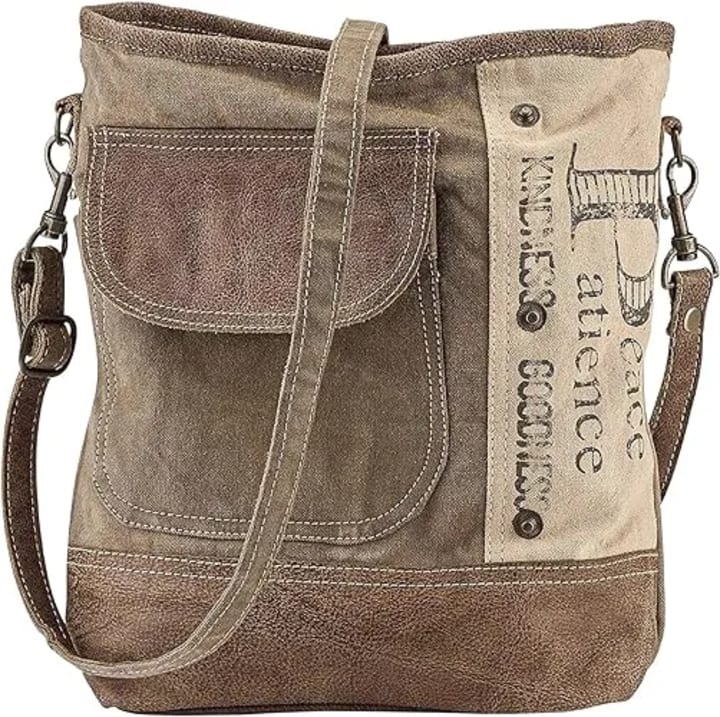
1. Turn Old T-Shirts into Tote Bags
Start by cutting off the sleeves and neckline of an old T-shirt. Then, sew or glue the bottom hem to create a sturdy tote bag.
2. Transform Jeans into Denim Shorts
Cut your jeans to your preferred length. You can fray the edges or add some lace trim for a stylish flair.
3. Create Patchwork Clothing
Gather fabric scraps from old clothes and combine them to make a patchwork skirt, jacket, or bag.
4. Add Embroidery or Appliqué
Use embroidery thread or fabric patches to jazz up plain shirts, dresses, or jeans.
5. Upcycle Sweaters into Cozy Accessories
Repurpose an old sweater into mittens, a beanie, or a scarf.
6. Revamp Dresses with Dye or Paint
Give an old dress a fresh, vibrant makeover using fabric dye or paint.
7. Make Scrunchies or Hair Accessories
Use fabric from old clothes to whip up trendy scrunchies or headbands.
The Environmental and Creative Benefits of Upcycling Clothes
Upcycling your old clothes isn’t just a fun pastime — it’s a fantastic way to make a positive impact while showcasing your creativity. Here’s how it can enhance your life:
Environmental Stewardship: Help reduce textile waste and promote sustainable fashion.
Creative Outlet: Play around with designs, colors, and techniques to craft unique pieces.
Cost-Effective: Save some cash by transforming old clothes instead of splurging on new ones.
How to Create a Dedicated Upcycling Space
Setting up a special area for your upcycling projects can really enhance your experience and keep things organized. Here’s how to get started:
Pick a Bright Spot: Natural light is perfect for sewing and crafting.
Sort Your Supplies: Use bins, jars, or drawers to keep fabric scraps, threads, and tools neatly stored.
Make It Your Own: Add some personal touches, like a vision board or a plant, to give the space your unique flair.
Sharing Your Upcycled Creations
Once you’ve finished a project, think about sharing it with others:
Social Media: Share photos of your creations on platforms like Instagram or Pinterest to inspire fellow crafters.
Gifts: Consider giving upcycled clothing or accessories as thoughtful, one-of-a-kind gifts.
Community Events: Join local craft fairs or eco-friendly markets to showcase your work and connect with others.
Embrace the Art of Upcycling Old Clothes
Upcycling old clothes isn’t just a sustainable choice — it’s a fantastic way to unleash your creativity, cut down on waste, and build a wardrobe that truly reflects who you are. Whether you’re turning a worn-out T-shirt into a stylish tote bag or adding some embroidery to a simple dress, every project brings you closer to a more sustainable and fashionable future. So grab your scissors, thread, and a sprinkle of imagination, and start transforming your old clothes into something amazing today!
About the Creator
Keep reading
More stories from writers in Writers and other communities.
Understanding Artificial Turf as a Lawn Alternative in Plano
Maintaining a natural lawn in Plano can be challenging due to weather conditions, water limitations, and ongoing upkeep requirements. Long summer heat, inconsistent rainfall, and soil conditions often make it difficult for grass to remain healthy throughout the year. As a result, many property owners are exploring artificial turf as an alternative surface solution.
By Abbasi Publisher5 days ago in Writers
Trouble at the Tea Leafing Café
The rain had started right around the time that Annie was buttering her second thick slice of homemade toast for breakfast, and hadn’t paused since. Not that anyone could tell. The windows of the café were fogged over, and with every seat filled with happy customers munching on fresh baked pastries or steaming bowls of the delicious soup of the day, it was hardly surprising. Annie looked around the room, finally taking a moment to breathe after the lunch time rush. Her old life already felt like a bad memory, a part of her history, always, but just that. History.
By Hannah Moorea day ago in Fiction




Comments
There are no comments for this story
Be the first to respond and start the conversation.