
How to Start Your Own Sport Store | A Step-by-Step Business Guide
Why the Sport Retail Industry Still Has Room to Grow

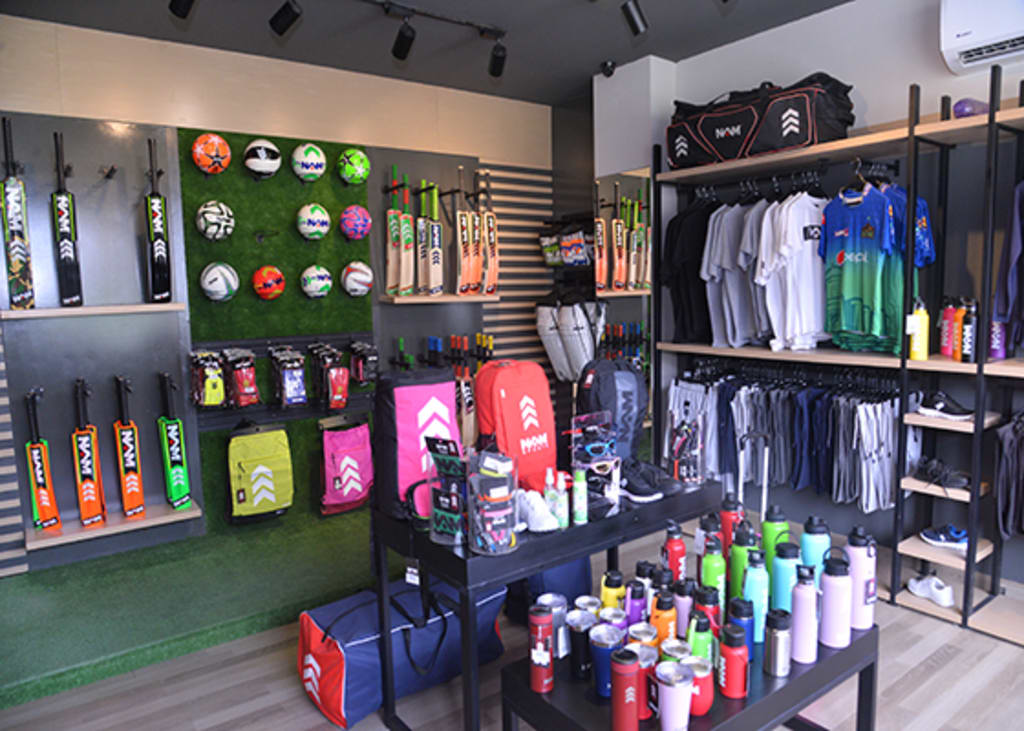
The sports industry is not limited to stadiums and TV screens anymore. With increased interest in fitness, outdoor activities, youth sports programs, and athleisure wear, the demand for sports gear and apparel has steadily grown. Consumers now seek both functionality and lifestyle value in their purchases, from cricket bats and running shoes to yoga mats and sports watches.
This rising interest in physical activity and wellness is opening new doors for entrepreneurs ready to dive into retail. Starting a Sport Store today isn’t just about selling products, it’s about building a space that supports and celebrates an active lifestyle.
Whether you plan to open a small neighborhood outlet or an e-commerce brand, this guide walks you through every important step of launching your own sports business.
Step 1, Define Your Niche
Before you buy your first box of sneakers, decide what kind of sport store you want to run. The more clearly you define your niche, the easier it will be to build your brand and attract loyal customers.
Possible Specializations
- Team Sports Gear (football, cricket, basketball)
- Fitness and Gym Equipment
- Outdoor and Adventure Gear (cycling, hiking, climbing)
- Yoga and Wellness Supplies
- Athleisure and Sportswear
- Kids' Sports Essentials
- Racquet Sports (tennis, badminton, squash)
Understanding your focus helps in everything from inventory planning to choosing a store location. It also makes your store easier to market and scale over time.
Step 2, Research the Market and Your Competition
Success in retail starts with a deep understanding of customer behavior. Don’t skip the research phase. Instead of assuming what people want, collect actual data.
Key Research Areas
- Local sports trends in your city or country
- Demographics of active buyers, such as parents, athletes, or fitness beginners
- Price sensitivity and brand preferences
Competitor gaps—what are other stores not offering?
Visit existing sport stores in person or online. Observe their product range, branding, promotions, and customer service approach. Take note of customer reviews and complaints to find areas where your business could do better.
Step 3, Register Your Business
To operate legally and professionally, your business needs to be properly registered. Depending on your country, this may include:
- Business name registration
- Tax number or national registration
- Import or wholesale licenses
- Retail permits for store operations
You may also want to secure trademark rights for your store name if you’re planning to build a long-term brand.
Also decide on your business structure—sole proprietorship, partnership, or private company—based on your expansion plans and liability considerations.
Step 4, Choose the Right Location or Sales Channel
Your store format can shape your business experience. You’ll need to decide whether you’ll open a:
- Brick-and-mortar retail shop
- Online sport store
- Pop-up or mobile store
- Hybrid format (physical and online presence)
If opening a physical store:
Choose a location with foot traffic from your target audience—near schools, gyms, stadiums, or shopping districts. Make sure there’s space for inventory and product displays. Good lighting and store layout also influence customer experience and sales.
If going online:
Build a user-friendly e-commerce website. Focus on fast loading times, responsive design for mobile users, and secure payment options. Platforms like Shopify, WooCommerce, or custom stores are popular options to consider.
Step 5, Source Quality Inventory
What you sell is the core of your business. Work with reliable suppliers who can offer both branded and non-branded sports products, based on your niche and target audience.
Inventory Sourcing Tips
- Contact wholesalers and distributors with sports-specific experience
- Explore import options if you need global brands not available locally
- Check MOQs (minimum order quantities) and payment terms
- Always order samples before confirming large shipments
- Consider local manufacturers for affordable or custom gear
Your product selection should balance quality, variety, and affordability. Try to offer a mix of entry-level and premium options.
Step 6, Invest in Store Setup and Branding
Whether physical or digital, your sport store should reflect your brand. The layout, packaging, and customer experience all contribute to your identity.
- Branding Essentials
- A memorable store name and logo
- Cohesive color palette and theme
- Simple and visible signage
- Packaging materials like printed tissue paper, shopping bags, tags
In a physical store, display your bestsellers prominently. If online, invest in professional product photography and easy-to-navigate categories.
Step 7, Price Your Products Competitively
Set prices that cover your costs and generate profit—but also make sense to your target customers. Pricing will depend on:
- Cost per unit
- Shipping or logistics costs
- Import taxes or duties
- Competitor pricing
- Seasonal demand or exclusivity
Consider tiered pricing strategies like bundling, volume discounts, or limited-time offers to increase conversions and average order value.
Step 8, Hire a Reliable Team
If your business is growing beyond solo operations, hiring staff will be essential. This includes:
- Sales assistants or floor managers
- Customer support reps (especially for e-commerce)
- Inventory handlers or warehouse staff
- Marketing specialists or freelancers
Even in a small store, your team shapes the buying experience. Train staff on product knowledge, store policies, and customer engagement.
Step 9, Market Your Sport Store to the Right Audience
Marketing is what turns your store from a location to a destination. From day one, you need to start building visibility both online and offline.
Marketing Channels to Use
- Social media: Instagram, TikTok, Facebook for product demos and promotions
- Google My Business: For location searches and local ratings
- Influencer Partnerships: Collaborate with local athletes or fitness coaches
- Loyalty Programs: Reward repeat customers with discounts or early access
- Email Marketing: Send product announcements, tips, or flash deals
- Event Sponsorships: Support local matches or tournaments to gain exposure
Marketing efforts should be consistent, not just promotional. Mix education, entertainment, and engagement to build community.
Step 10, Manage Operations and Scale Responsibly
Once your sport store is running, your next job is maintaining consistency and finding growth opportunities.
- Ongoing Operational Needs
- Regular stock updates and reorder management
- Seasonal product rotation
- Accurate sales tracking and performance analysis
- Monitoring customer feedback
- Managing returns and warranty processes
Scaling may include launching a second branch, expanding your online reach, introducing new categories, or even offering branded merchandise.
Common Challenges and How to Handle Them
Even with the best planning, challenges will arise. Some to watch out for include:
- Overstocking or understocking items
- Slow-moving products eating shelf space
- Supplier delays affecting order cycles
- High return rates due to size or performance mismatches
- Seasonal fluctuations in demand
Use your data—sales trends, customer behavior, online search volume—to adjust your strategy. Stay flexible, and avoid long-term contracts until your business stabilizes.
Benefits of Running Your Own Sport Store
Owning a sport store can be more than a business—it can be a community hub. Whether you cater to school teams, weekend joggers, or gym lovers, your store becomes part of someone’s fitness story.
Perks include:
- Independence and decision-making power
- The satisfaction of promoting health and activity
- Direct community engagement
- Growth into e-commerce or branded merchandise
- Earning potential as your reach expands
Final Word
Starting your own best sport store takes planning, research, and dedication—but it also brings the reward of building something meaningful in a growing industry. By defining your niche, choosing the right suppliers, creating a strong brand, and marketing with clarity, you can carve out a space that goes beyond selling products.
A sport store today isn’t just a shop—it’s a space that supports ambition, activity, and identity. With the right steps, it can become a lasting venture with real community value and scalable business potential.
About the Creator
Arsalan Ahsan
Arsalan Ahsan is a writer specialising in sports. He shares insights through guest blogs & posts, helping readers stay informed on industry trends.
Keep reading
More stories from Arsalan Ahsan and writers in Writers and other communities.
Shan Masood in the Spotlight for Champions Trophy Selection
As Pakistan prepares to host the ICC Champions Trophy 2025, the Pakistan Cricket Board (PCB) faces critical decisions regarding the final squad composition. A key development influencing these deliberations is the injury to promising opener Saim Ayub, who sustained an ankle injury during a Test match against South Africa. With Ayub’s availability uncertain, selectors are exploring their options, and Shan Masood is considered for Champions Trophy selection as a potential replacement at the top of the batting order. This move has sparked interest due to Masood’s limited One Day International (ODI) experience and raises questions about his suitability for the format.
By Arsalan Ahsanabout a year ago in Journal
📢 Raise Your Voice Thread: 01/22/2026
Our “Raise Your Voice Threads” are hosted most alternating Thursdays at 12PM ET to offer creators more avenues to uncover exceptional stories on Vocal. As we are continuously searching for fresh creators and inspiring stories, this thread provides an opportunity to exchange and discuss the stories that have moved and motivated us on Vocal.
By Raise Your Voice by Vocal7 days ago in Resources




Comments
There are no comments for this story
Be the first to respond and start the conversation.